
Table of Contents
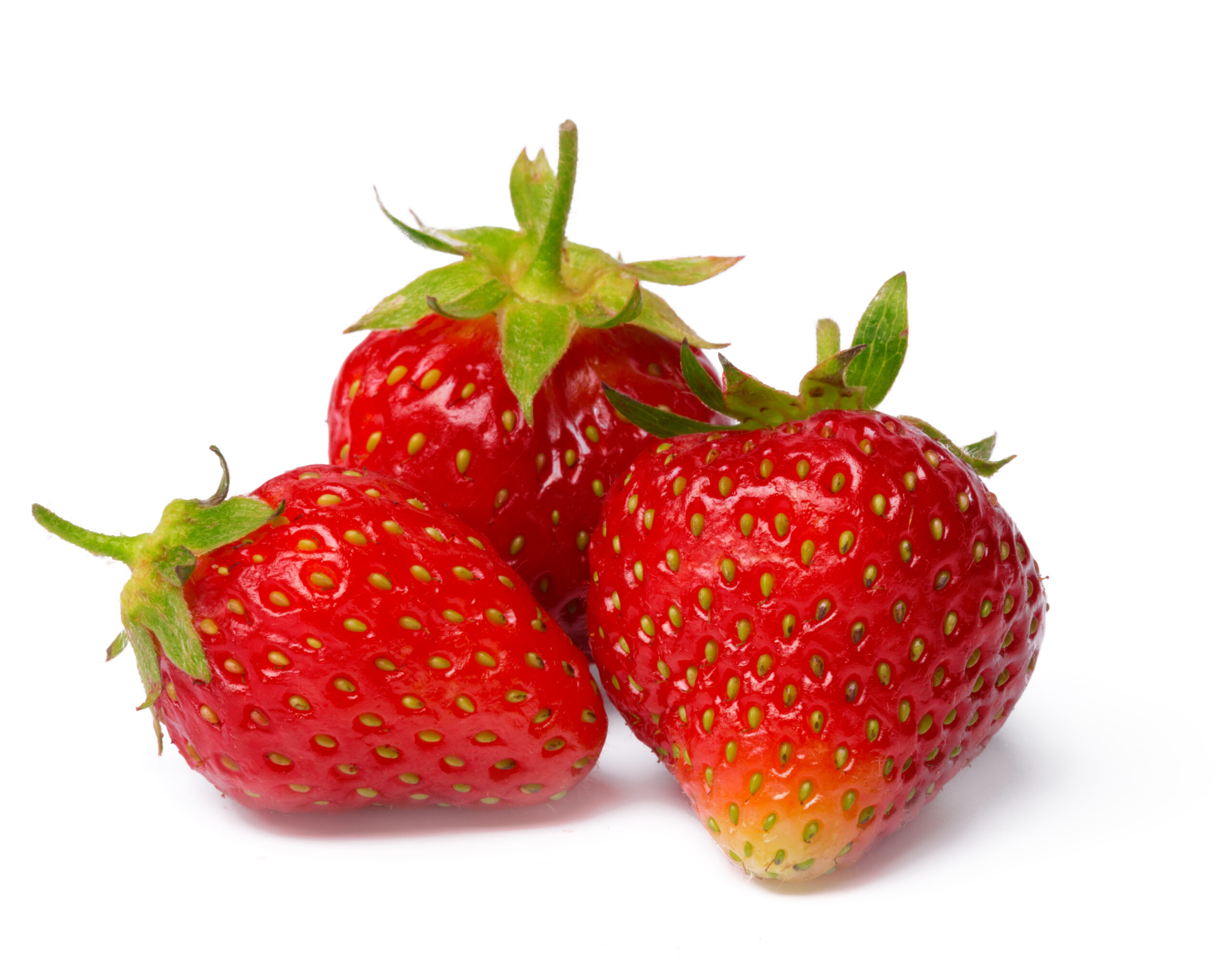
Strawberry fruit has a kind of magic to it. It is not just a fruit. It is a taste of summer, a pop of red in a green field, an invitation to indulge in sweetness that is both prized and pure. That red color, those beautiful little seeds, and that smell—it is a real experience for your senses before it ever reaches your lips.
But a strawberry fruit has more than a pretty face in the produce aisle. It is a nutritional powerhouse in a delicious shell. Whether you are an avid gardener, a health-conscious eater, or simply enjoy a good topping on your dessert, there is so much to learn about this popular berry. Let’s explore the world of the strawberry, from where it is grown to how it will end up on your plate.
Strawberry Fruit Benefits
If happiness had a flavor, it would most likely taste like a strawberry fruit. And it so happens, that joyful bite is doing amazing things for your body. The health benefits of strawberries are as impressive as their taste.
First up, strawberries are heart champions. They are full of heart-healthy antioxidants like anthocyanins (which give them their lovely red color) and flavonoids. These compounds help decrease inflammation, fight oxidative stress, improve blood flow, and may even lower your bad cholesterol (LDL) and blood pressure. Consider each berry a mini, yummy shield for your cardiovascular system.
Next, they are also an amazing friend to your immune system. One serving gives you more than a full day’s supply of Vitamin C. Vitamin C is a key vitamin for strengthening our immune defenses, promoting skin health by helping collagen production (hello natural glow!), and serving as a strong antioxidant to fight off free radicals.
But wait, there’s more. Given their fiber content, strawberries are a wonderful friend to your gut health, feeding the good bacteria in your gut and helping everything move along. Furthermore, the antioxidants in strawberries – specifically the antioxidant fisetin – have been studied for their function in brain health.
In short, incorporating strawberries into your diet is a delicious strategy for long-term wellness.
Read these fruits beneficial posts- Chiku, Kiwi, Papaya, Papaya leaf juice, Custerd apple, Wood apple, Ice apple, Rose apple, Water apple, Star fruit, Pineapple, Avocado, Artichoke, Mangosteen, Rambutan, Longan fruit, Lychee, Prickly pear, Water chestnut, Durian fruit, Cherry…more in health-icon.com.
Strawberry Nutrition Facts 100gm
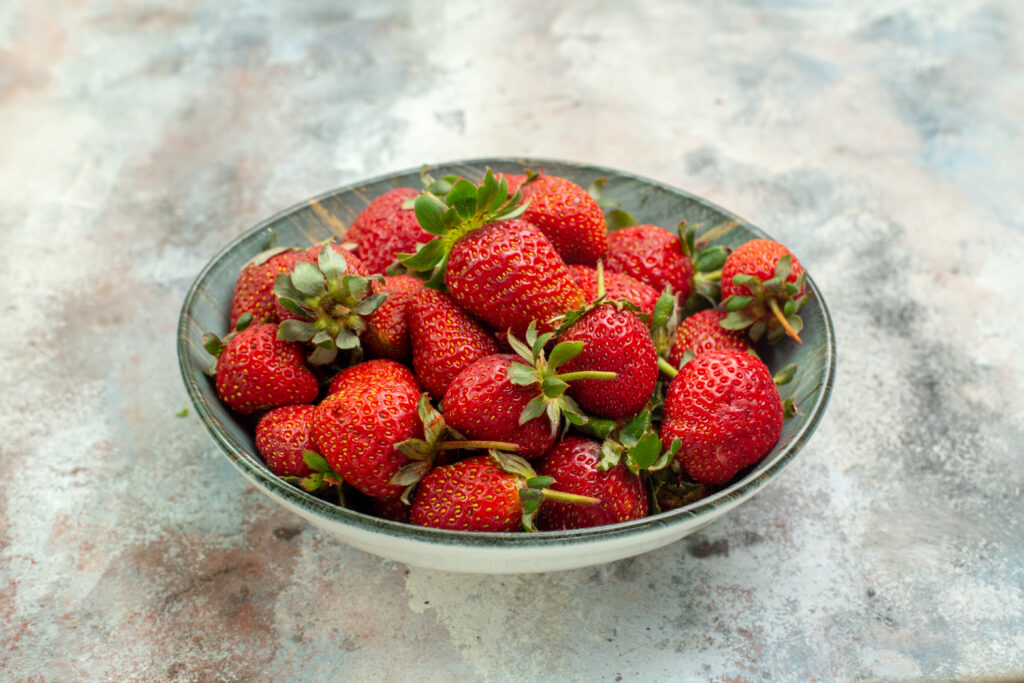
Now, let’s see what you’re getting if you have a 100-gram serving (that’s around 5-7 medium strawberries). This is where strawberry exhibits its best quality, proving that good things come in small packages.
| Nutrient | Amount (per 100g) | % Daily Value (Approx.) |
| Calories | 32 kcal | 2% |
| Water | 91 g | – |
| Protein | 0.67 g | 1% |
| Total Fat | 0.3 g | 0% |
| Carbohydrates | 7.7 g | 3% |
| Dietary Fiber | 2 g | 7% |
| Sugars | 4.9 g | – |
| Vitamin C | 58.8 mg | 98% |
| Manganese | 0.386 mg | 17% |
| Folate (B9) | 24 µg | 6% |
| Potassium | 153 mg | 4% |
As you can see, strawberry fruits are very low in calories, nutrition facts, dietary fat, and these strawberries are an awesome source of vitamin C, and a good source of fiber and manganese. The sugar, a natural one, is mitigated by the fiber, which thwarts a rapid increase in blood glucose, and as a result, strawberries are a reasonable choice in most diets.
Strawberry Plant
Have you ever thought about how this beautiful fruit comes about? The strawberry plant (Fragaria × ananassa) is an interesting and robust small perennial plant. The strawberry fruit is not really a berry from a botanical standpoint, it is called an “aggregate accessory fruit.”
What does that mean? The fleshy, red part we eat is not the ovary of the plant, rather it is the swollen receptacle tissue of the flower. The true “fruits” of the plant are those little yellow-brown “seeds” on the outside of the strawberry, called achenes. Each one of those achenes is a separate fruit with one seed inside!
Furthermore, strawberries are very good at vegetatively reproducing or spreading. They produce runners, or stolons, which are long, thin stems that spread parallel to the soil. If a runner’s node makes contact with the soil, it will produce roots and develop into a new plant also. This is great for the home gardener, if one buys a few plants to start, before long there will be a whole patch of strawberries.
They do best in moist, well-drained, slightly acidic soil and they enjoy a like to be in full sun. There is something so pleasurable about walking to your garden and eating a sun-warmed strawberry you have{broken text here}.
Strawberry Price
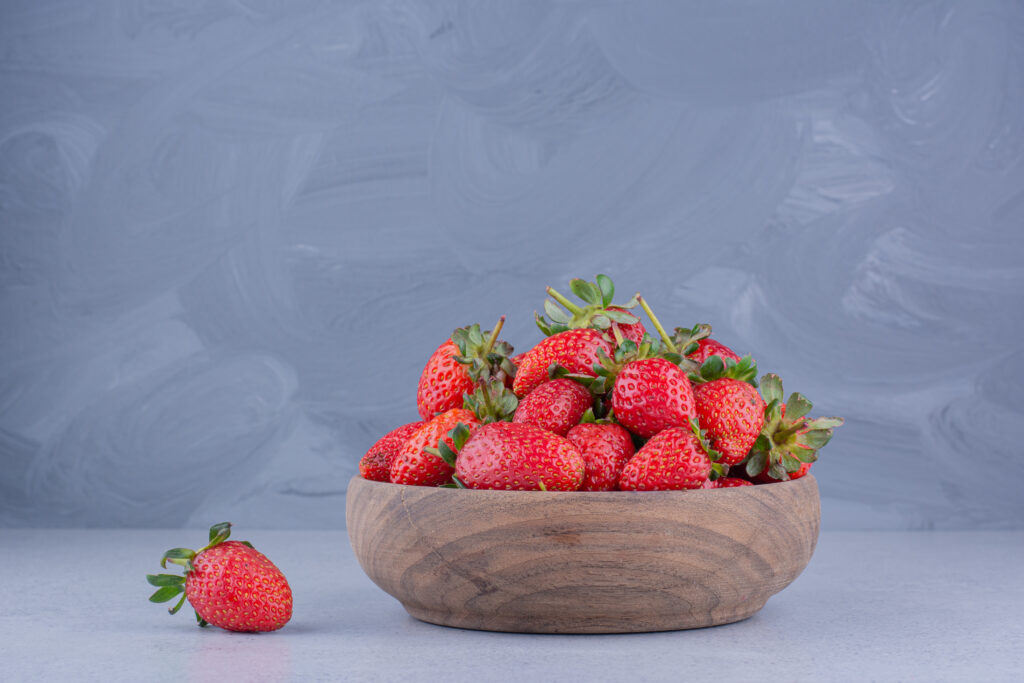
You may have noticed that prices of strawberries can be quite different depending on the time of year. One week, you are buying two punnets for the price of one, and the next week, you are thinking about even purchasing one. What causes the price changes?
Seasonality is the biggest driver of strawberry fruit prices. Strawberries are a fruit grown in warm weather, with local strawberries being in season during the spring and early summer months. When strawberries are in season, there is lots of supply and strawberry fruits are very cheap. This is when you should really treat yourself to a feast of fresh strawberries.
On the contrary, if you are buying strawberry in the dead of winter, the strawberry you are buying likely was grown far away, winters are shipped from California orthe other side of the country, or, it was grown in an energy-intensive greenhouse. The costs for shipping, costs for keeping the fruit refrigerated, and growing costs are charged to the consumer to cover the costs.
Other reasons for price diversity include:
• Variety: The common varieties like; Albion or Chandler will generally be cheaper than specialty or heirloom varieties, like the small Alpine strawberry with a very intense flavor.
• Organic or Conventional: Oftentimes the organic strawberry, which is grown without synthetic pesticides, costs a little more because of growing practices.
• Weather: Drought conditions, weather, frost that may only occur in a short period, or torrential downpours can impact crops, reducing supply.
Strawberry Side Effects
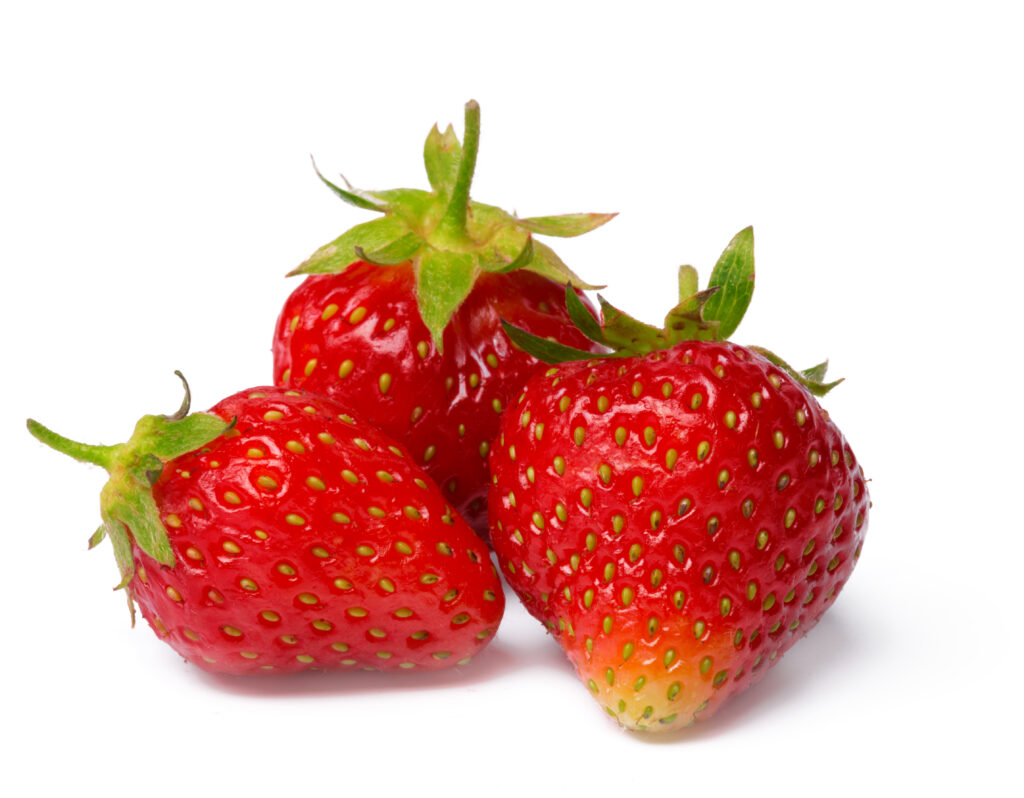
For the majority of people, strawberries are a safe and highly nutritious food. Several factors should be considered.
The first matter to discuss is allergies. Some people (especially children) can develop a strawberry allergy. Symptoms can vary from mild symptoms such as itching or hives around the mouth (Known as Oral Allergy Syndrome) to more serious reactions. If you have a concern about a strawberry allergy, see a doctor.
Next, strawberries consistently rank as one of the “Dirty Dozen” foods. The Dirty Dozen is a list of foods compiled by the Environmental Working Group based on the highest residues of pesticides on conventional produce fearing produce or food safety. Strawberry is known for having a higher pesticide residue than other foods. The best way to deal with concerns about pesticide exposure is to wash them very well in water. Others treat strawberries with a solution of vinegar and water (1 part vinegar 3 parts water) and soak briefly then wash or rinse in water (this also helps problem solve an issue some people have at times which is getting rid of “bugs” on produce).
Finally, people with a sensitivity to salicylates (a natural chemical also found in aspirin) may react to strawberries and their moderate level of salicylate. Read this posts- Dragon fruit, Apricot, Peach, Plum, Beal fruit…more in health-icon.com.
A Sweet Conclusion
Strawberry fruits are really a blessing–from their heart-healthy benefits to their garden suitable characteristics. They also stand as a reminder of the fact that what tastes good is actually good for us. Next time you’re biting into a delicious strawberry, consider where it has been, and how it provides a little sunshine and good health into your day. Now if you’ll excuse me, all this talk has given me a serious hankering for a bowl of strawberry, fresh red perfection!
Disclaimer: The information provided on this website is for general educational and awareness purposes only. It should not be considered a substitute for professional medical advice, diagnosis, or treatment. Always consult your doctor or a qualified healthcare professional before making any changes to your diet, medication, or health routine. The author and website are not responsible for any outcomes resulting for the use of this information.
FAQs
Are strawberries good for weight loss?
Yes, they can be! Strawberries are very low in calories (about 32 kcal per 100g) and high in fiber and water, which helps you feel full and satisfied. Their natural sweetness can also curb cravings for less healthy sugary snacks, making them a perfect weight-loss-friendly food.
How should I store strawberries to make them last longer?
To prevent mushiness, don’t wash strawberries until you’re ready to eat them. Store them in the refrigerator in the original container or a breathable container lined with a paper towel to absorb excess moisture. For long-term storage, hull, freeze on a baking sheet, and then transfer to a freezer bag.
Can dogs eat strawberries?
Yes, in moderation! Strawberries are non-toxic to dogs and can be a healthy, low-calorie treat full of vitamin C and fiber. Always wash them thoroughly, remove the leaves and stem, cut them into small pieces to prevent choking, and feed only as an occasional snack.
Why are my homegrown strawberries so small?
Several factors can lead to small strawberries, including: Variety (some are naturally smaller), Crowding (plants need space for air circulation and nutrients), Poor Pollination (which can be helped by attracting bees), and Heat Stress (extreme heat can cause the plant to produce smaller fruit).
Is it okay to eat strawberries every day?
For most people, absolutely! Eating a serving of strawberries daily is a fantastic way to boost your vitamin C and antioxidant intake. However, if you have a known allergy or a sensitivity to salicylates, you should consume them with caution or consult your doctor.
3 thoughts on “Strawberry Fruit: Benefits, Nutrition & Side Effects”