
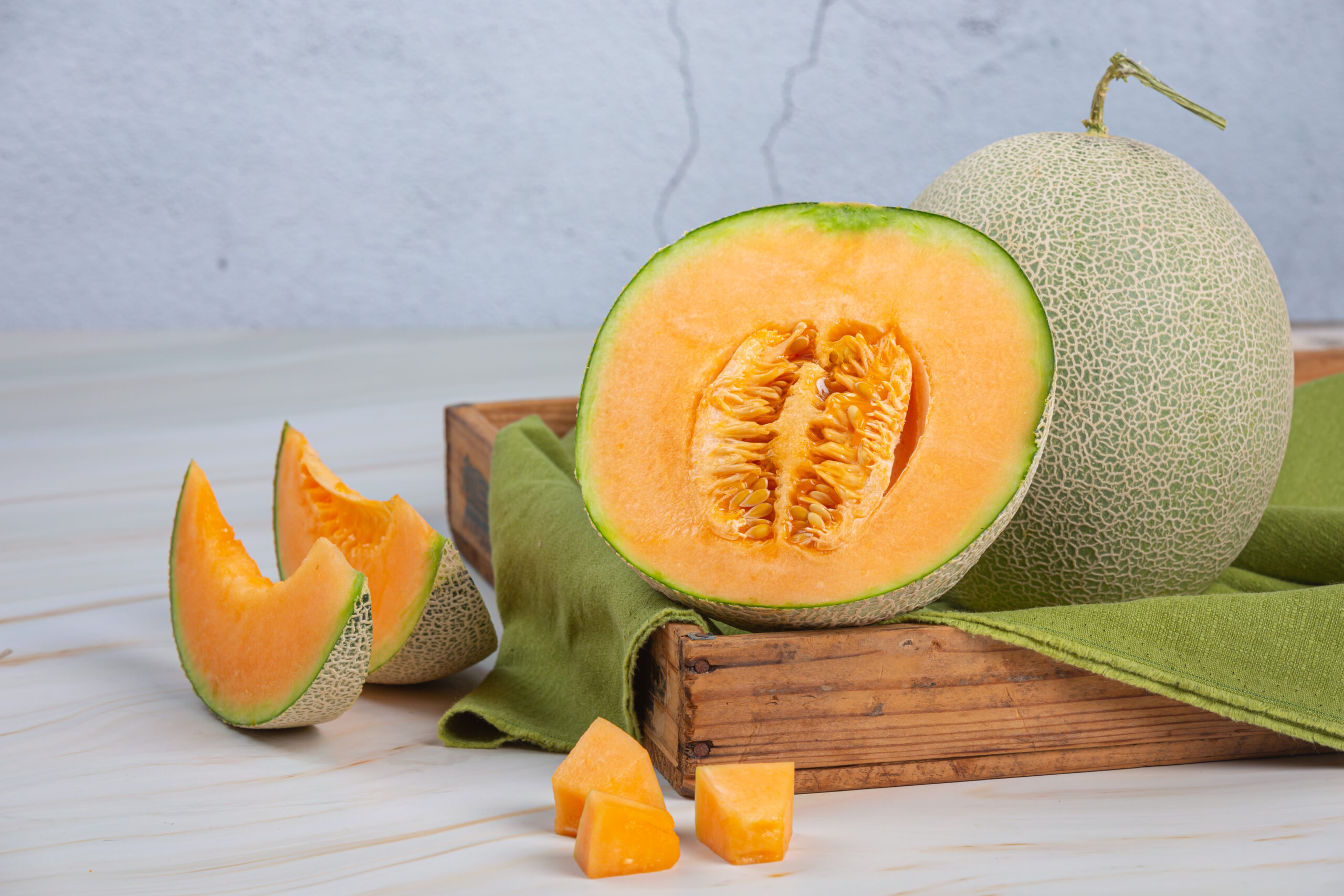
The muskmelon, often hidden in a fruit salad or served as a light dessert, deserves a little attention. It is more than another fruit. It is a hydrating vitamin propelled superfood that has fed the bodies of people for centuries. Now, let’s take a closer look at the muskmelon and explore why it should have a place in your regular diet.
Table of Contents
What is Muskmelon?
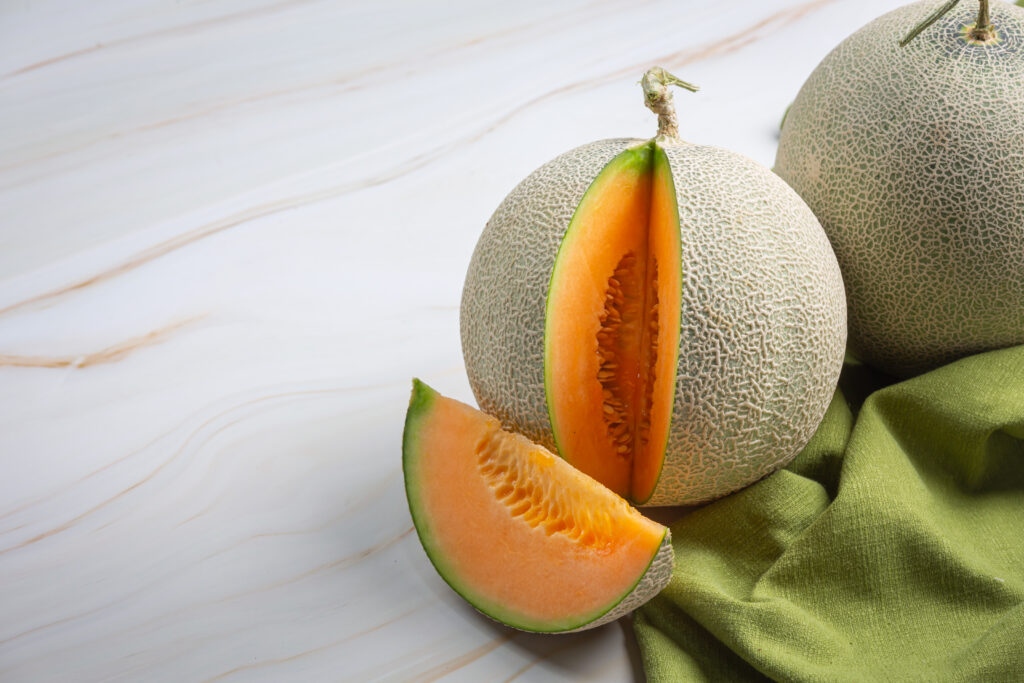
Before discussing the benefits, let us get to know our subject a little better. The muskmelon (scientific name: Cucumis melo) is a type of melon in the gourd family. It is easily identified by its ribbed tan or beige skin and perfumed aroma when ripe. It is this scent that gave the it, its name, which refers to the perfume scent indicated by its name.
Upon opening the it’s you reveal the soft and typically orange flesh. The flesh is juicy and has a central cavity containing a number of seeds. It has a hollow center as compared to the watermelon, which makes it easier to scoop out the seeds. It grows in warm climates and is mostly associated with seasonal fruit. It is typically harvested during the summer months when it is in season.
Read these fruits health beneficial posts- Peach, Pear, Bael, Dragon fruit, Apricot, Plum, Chiku, Kiwi…more in health-icon.com.
8 Muskmelon Benefits
This is not just meaningless flattery; it has specific health benefits that derive from an impressive nutritional content. Here are eight reasons to consider it as a fruit of choice.
1. A Hydration Hero
Muskmelon contains about 90% water, which is nature’s version of a sports drink. Eating a few slices will rehydrate your body, refresh your electrolytes, and cool you down, especially in humid and hot weather or after a workout. It simply is a delicious way to increase your daily fluid intake.
2. Support Immune System & Fights Illness
It is rich in Vitamin C, an antioxidant, and giving your immune system a great boost. Vitamin C triggers the production of white blood cells to help your body fight infection, whether colds or otherwise. Regular intake gives your body a stronger defense system.
3. Promotes Skin Glow and Healthy Hair
The same Vitamin C that strengthens your immune system is also crucial for collagen. Collagen is the structural protein that keeps your skin firm, supple, and youthful. By improving collagen, it helps improve skin texture and reduce lines. The Vitamin A is also responsible for supporting skin cell repair and growth. The high water content also helps to hydrate your skin and hair from the inside out.
4. Supports Vision Health
Muskmelon contains a high amount of beta-carotene, the orange pigment found in the fruit. The body converts beta-carotene into Vitamin A, which is essential for healthy eyesight. The vitamin protects the cornea and may help decrease the risk of cataracts and age-related macular degeneration and improve eyesight.
5. Your Heart’s Best Friend
This fruit is a triple threat for heart health. In terms of heart health, it contains potassium, which can regulate blood pressure and help block sodium. The fiber can also help control cholesterol levels. Adenosine, a substance found in it, has blood-thinning properties that can enhance blood flow and lessen the chances of clotting in the cardiovascular system.
6. Supports Digestion and Weight Control
The fiber found in it contributes bulk to your stool, which helps ease constipation and supports a healthy and regular digestive tract. In addition, it is low in calories with a high water and fiber content, which makes it an incredibly filling snack option. You can consume it in generous quantities while not consuming a lot of calories, which is helpful for anyone trying to maintain weight.
7. A Natural Source of Energy
Are you feeling a mid-afternoon slump? Instead of the sugary coffee, go for muskmelon. It is a great source of B vitamins (especially B1 (thiamine) and B3 (niacin)), which your body needs to turn your food into usable energy, and natural sugars which will give you a quick, healthy boost without the crash.
8. Help With Stress Management
It is not as well-known but is a fantastic benefit. It has a unique compound that has been shown to have anti-anxiety effects, and the potassium helps stabilize your heart rhythm and increases oxygen delivery to your brain so you can feel more focused and relaxed.
Muskmelon Nutrition
Let’s look at what makes this fruit special. One cup of diced muskmelon (about 160g) provides:
- Calories: 60
- Carbohydrates: 14g
- Fiber: 1.5g
- Protein: 1.5g
- Vitamin C: 65% of the Daily Value (DV)
- Vitamin A: 120% of the DV (primarily as beta-carotene)
- Potassium: 12% of the DV
- Folate: 8% of the DV
- Vitamin K: 4% of the DV
It also contains smaller amounts of magnesium, B vitamins, and other important minerals. All this means it is a very nutrient-dense food. You are getting a high volume of vitamins and minerals for a very low caloric cost.
Read this useful posts- Papaya, Papaya seeds benefits, Custerd apple, Water apple, Pineapple…more in health-icon.com.
Muskmelon Juice
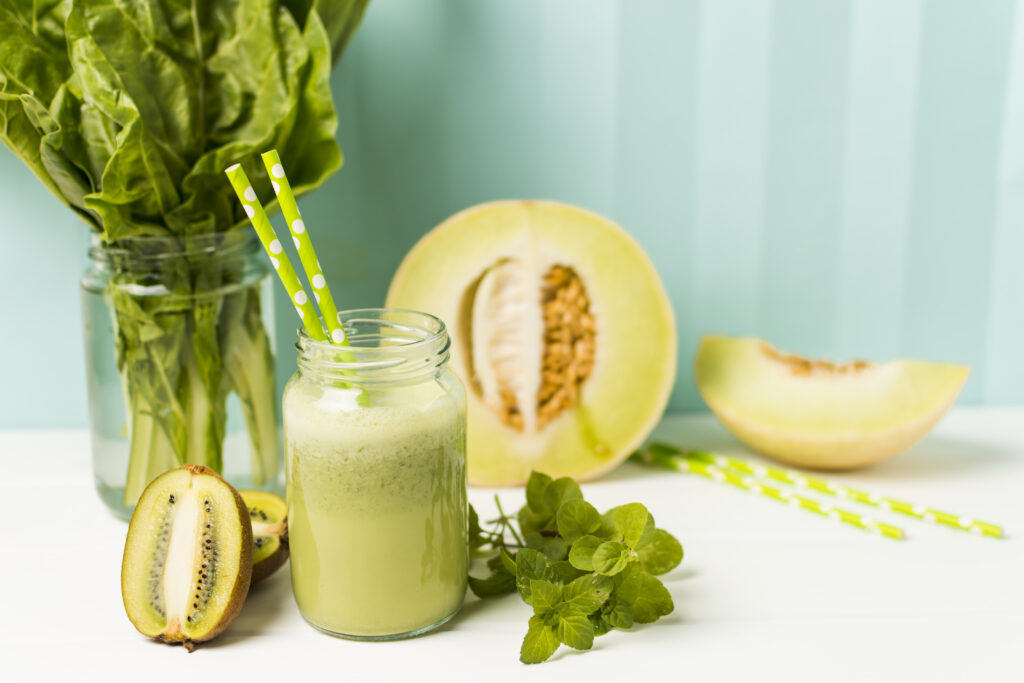
While it is always best to consume the whole fruit to get all the fiber, its juice is a refreshing and nutritious alternative. It is an excellent base for smoothies or get its nutritional benefits by drinking it by itself.
How to make it: Simply blend ripe cubed it into a smooth puree. You can either strain it for clear juice, or just drink it with pulp for added fiber. A squeeze of lime, a sprig of mint or tiny piece of ginger provides an extra zing!
Benefits: It is an instant hydrator, easy to digest, and a quick way to absorb all the vitamins. It is especially invigorating as a morning energy kick or post-workout recharge.
Muskmelon Seeds Benefits
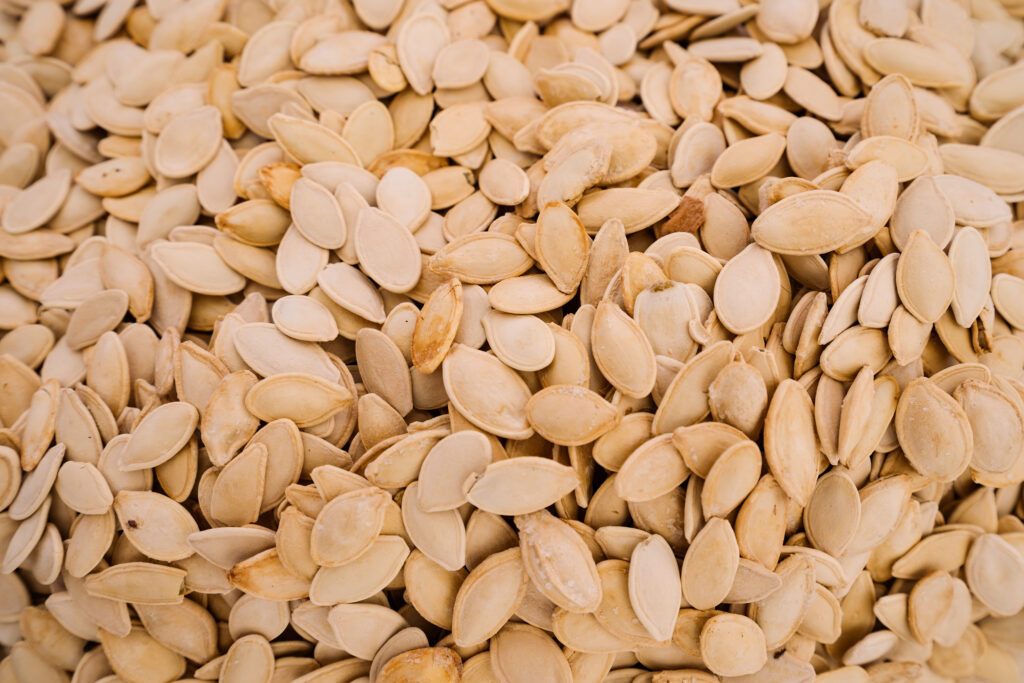
Most of the time we simply scoop out the seeds and throw them away. But wait! These seeds can be eaten, and are very nutritious.
• Rich in Protein: The seeds are a great source of plant-based protein.
• High in Fiber: They are high in dietry fiber that can help with digestion.
• Omega-3 Fatty Acids: They have healthy fats that are good for your brain and heart
• Vitamins and Minerals: The seeds are a source of Vitamin E, magnesium, and potassium.
How to use them: Rinse the seeds well, then dry in the sun, or in a low-heat oven, use as snacks (similar to pumpkin seeds), on top of your smoothies for extra nutrition, or even grind and use as powder in your baking or oatmeal.
Muskmelon vs. Cantaloupe: What’s the Difference?
This can be a question of confusion for everyone! To summarize, every cantaloupe is a muskmelon, but not every muskmelon is a cantaloupe.
• Muskmelon is the general category name used to refer to several melons with netted skin and a fragrant smell.
• Cantaloupe is a specific type of muskmelon. In North America, when you say “cantaloupe” you are usually talking about the common netted melon that you find in grocery stores. Real European cantaloupe has more warty, scaly skin.
So, it is essentially accurate to say that when you buy a “cantaloupe” in the US or Canada, you are holding a type of muskmelon. The nutritional profiles and health benefits are virtually the same, and you can use both terms interchangeably when discussing health benefits.
Muskmelon Side Effects
When eaten in moderation as part of a healthy and balanced diet, it is very safe for most people. That being said, here’s what you should consider:
• High Potassium: Potassium is helpful for most people; however, people with kidney issues should keep track of their potassium levels and speak with a doctor.
• Digestive Discomfort: Eating a very large quantity of it at once can cause stomach pain or diarrhea due to its high water and fiber content. Like other high-fiber foods, it’s better to ease into eating large amounts.
• Blood Sugar: It has a fairly low glycemic load, but those with diabetes should be aware of portion control due to the natural sugars.
Conclusion
The muskmelon has many benefits besides being a sweet and satisfying snack. With excellent hydration benefits, immune support, and heart-healthy benefits, muskmelon is a versatile, inexpensive, and delightful fruit that nourishes your body from within. Next time you are at the supermarket or farmer’s market, reach for a fragrant, ripe it, and taste for yourself how delicious it is to be healthy!
What about you? Do you enjoy muskmelon in fruit salad? As a juice? Or on its own? Share your thoughts in the comments!
Disclaimer: The information provided on this website is for general educational and awareness purposes only. It should not be considered a substitute for professional medical advice, diagnosis, or treatment. Always consult your doctor or a qualified healthcare professional before making any changes to your diet, medication, or health routine. The author and website are not responsible for any outcomes resulting for the use of this information.
FAQs
Is muskmelon the same as cantaloupe?
This is a common point of confusion! In North America, the words are often used interchangeably for the netted, orange-fleshed melon. Technically, cantaloupe is a specific type of muskmelon. For all practical and nutritional purposes, you can consider them the same fruit.
Can people with diabetes eat muskmelon?
Yes, in moderation. While muskmelon contains natural sugars, it has a low glycemic load due to its high water and fiber content, which helps prevent sharp blood sugar spikes. It’s always best to consult with a healthcare provider for personalized advice.
Are muskmelon seeds poisonous?
No, they are not poisonous. In fact, muskmelon seeds are edible and highly nutritious! They are a good source of protein, fiber, and healthy fats. You can dry, roast, and season them for a healthy snack or blend them into smoothies.
Does muskmelon help with weight loss?
Absolutely. Muskmelon is a fantastic ally for weight management. It’s very low in calories, high in water content to keep you full and hydrated, and contains dietary fiber that promotes satiety, helping you curb unnecessary snacking.
7 thoughts on “Muskmelon Benefits: Nutrition & Side Effects”