
Table of Contents
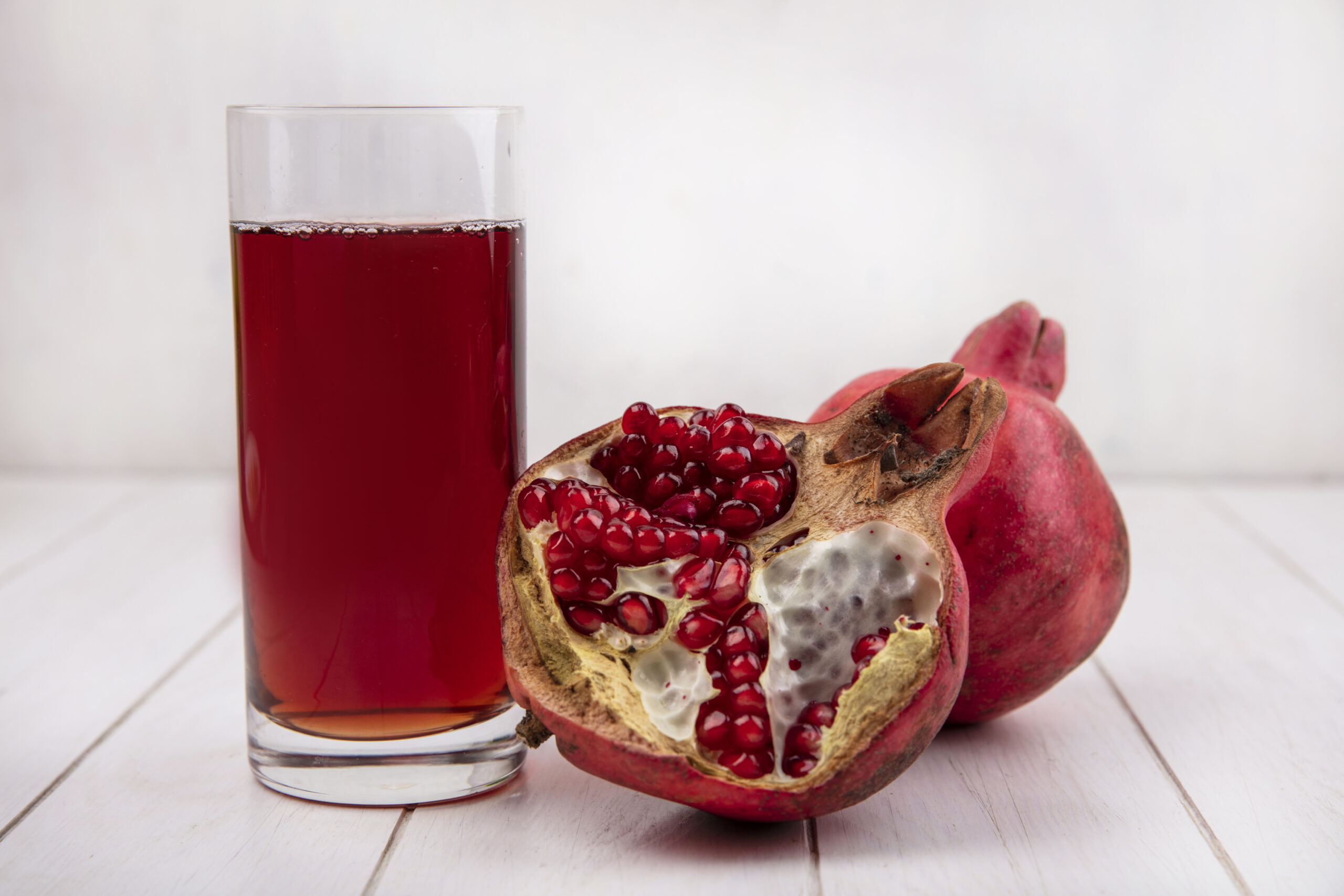
For many centuries, the pomegranate has been seen as a token of health and vitality. Today, science is catching up with the wisdom of our ancestors by proving that drinking a glass of ruby-red pomegranate juice is a weapon for your health every day. Rich in unique antioxidants and beneficial nutrients, this delicious juice offers an easy mechanism to benefit everything from your heart to your brain.
This extensive guide will explore proven benefits, nutritional information, and tips on incorporating this super juice into your daily experience, allowing you to make decisions about your health based on knowledge.
Pomegranate Fruit Type
The pomegranate (Punica granatum) is a deciduous shrub that bears fruit and is native to areas from Iran to northern India. Botanically, it is a berry covered by a hard, leathery skin (rind) that contains numerous juicy seeds, called arils, which can be eaten and juiced.
The arils are filled with sweet or tart juice sacs and are grouped together in chambers divided by a white spongy pith. The word pomegranate comes from the Latin pomum grantum, which means “apple of many seeds”.
Read these useful fruits posts- Black grapes, Passion fruit, Pear, Bael, Dragon fruit…and more in health-icon.com.
Pomegranate Juice Benefits
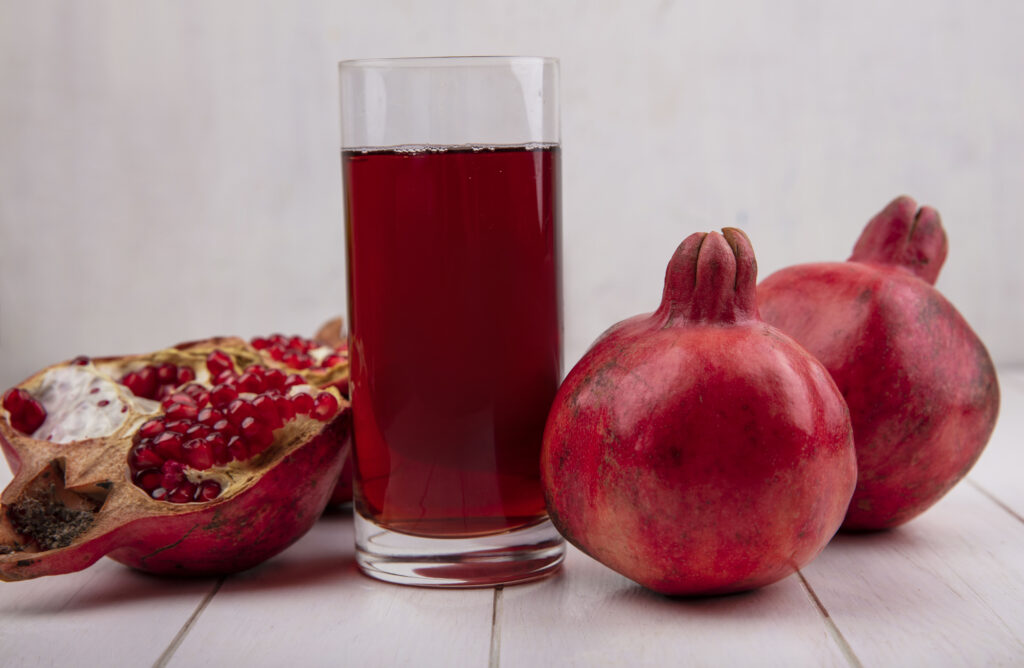
The rich color of pomegranate juice hints at its strong health benefits. Here are the science-based health benefits that demonstrate pomegranate juice is a superfood!
• An Antioxidant Powerhouse: Pomegranate juice is very high in polyphenols, specifically punicalagins and antocyanins. These can prevent oxidative stress by neutralizing unwanted free radicals in the body; its antioxidant ability was found to be three times higher than red wine and green tea. This way, keeping your cells safe from damage and premature aging.
• A Shield for Heart Health: Pomegranate juice provides impressive heart health benefits. Several studies and meta-analyses have shown that regularly consuming pomegranate juice can lower systolic blood pressure. Pomegranate juice may also help protect the heart by lowering “bad” LDL cholesterol from oxidation and softening plaque from building up inside arteries (atherosclerosis).
• Potential Cancer-Fighting Properties: New research provides evidence that compounds in pomegranate juice may help fight certain cancer cells. The pomegranate has been shown in laboratory and clinical studies to slow the spread of cancer cells while also enhancing their death in studies that have focused on breast and prostate cancer.
• Anti-Inflammatory Properties: Chronic inflammation is the basis of many diseases. Polyphenols from this juice provide natural anti-inflammatory protection throughout the body. This is helpful in managing diseases such as rheumatoid arthritis and osteoarthritis.
• Brain Booster: Your brain will also benefit from pomegranate juice. Studies have suggested daily consumption may boost both verbal and visual memory. The antioxidants may also possess neuroprotective effects to help protect against neurodegenerative diseases such as Alzheimer’s disease, by stopping amyloid plaques in the brain from forming.
• Digestive and Gut Benefit: This juice is a prebiotic that helps beneficial gut bacteria to grow and thrive, such as Bifidobacterium and Lactobacillus. Additionally, its anti-inflammatory effects may help with inflammatory bowel diseases (IBD) but still require research in that area.
• Improved Athletic Performance: For the physically active, it’s juice may be a boon. Studies indicate that nitrate can improve blood flow and therefore may improve endurance, as well as recovery from heavy exercise.
Pomegranate Juice Nutrition
Understanding the nutritional value of pomegranate juice may help you better appreciate its health benefits. See the table that follows to see the nutritional content of 100% it’s juice in a typical serving size of one cup (about 249 grams).
| Nutrient | Amount per 1 Cup (249g) | % Daily Value (DV) / Key Facts |
| Calories | 134 | |
| Carbohydrates | 32.6 g | |
| Sugars | 31.4 g | Natural, no added sugar in 100% juice |
| Fiber | 0.2 g | Minimal (most is lost in juicing) |
| Protein | 0.4 g | |
| Fat | 0.7 g | |
| Potassium | 533 mg | 11% DV. Supports nerve function & blood pressure |
| Vitamin K | 25.9 mcg | 22% DV. Essential for blood clotting & bone health |
| Folate | 59.8 mcg | 15% DV. Important for cell division & DNA synthesis |
| Vitamin C | Varies | Contributes to immune function & skin health |
Note: Though it’s juice provides a source of vitamins, minerals, and health-promoting plant constituents (polyphenols), it is important to point out that juicing removes most of the dietary fiber found in the whole fruit in its seeds and membranes. For maximum benefits, eat whole arils when possible.
1 Pomegranate Calories
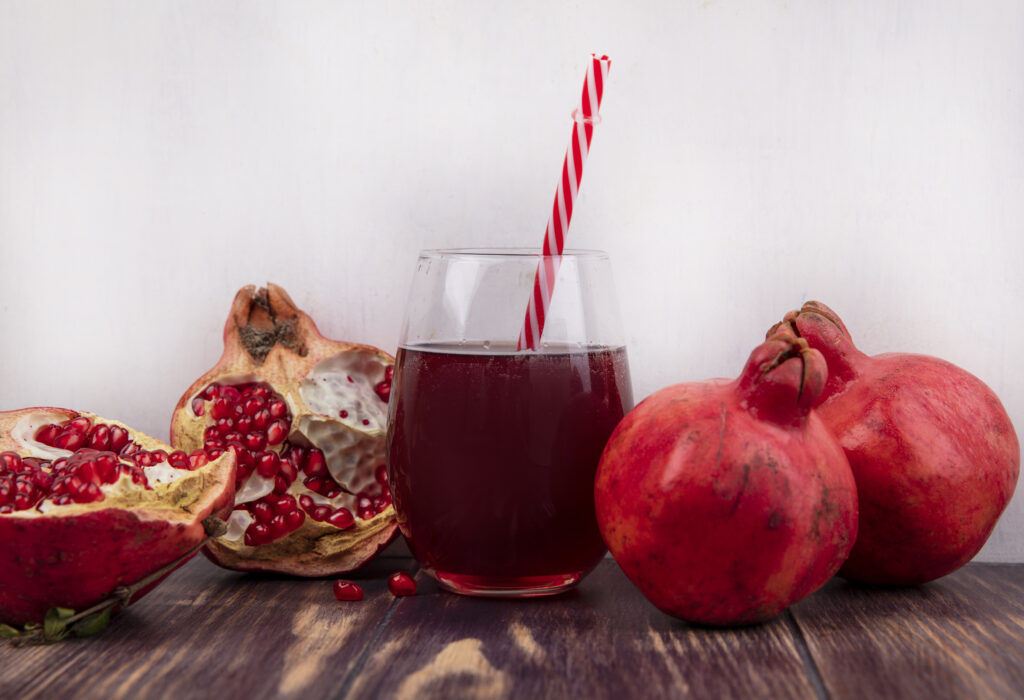
When you eat a whole pomegranate, the nutritional experience differs compared to just consuming verse juice. A medium pomegranate contains roughly:
• Calories: 105
• Carbs: 26 grams
• Fiber: 4-6 grams
• Sugar: 21 grams
As the fiber content is markedly different. The whole fruit provides considerable dietary fiber, while the juice contains very little. The dietary fiber may promote digestion and absorption of the natural sugars from the fruit, lowering the risk of a spike in blood sugar. If you are managing sugar levels, using the entire seeds is a more favorable choice.
You must read these fruits beneficial posts- Apricot, Artichoke, Peach, Plum, Chiku, Kiwi, Papaya juice, Papaya, Custerd apple, Wood apple…and more in health-icon.com.
How to Make Pomegranate Juice
If you’ve never made fresh homemade pomegranate juice yourself, you may be surprised to learn how simple it is and that you’ll be in control of the purity of your juice.
There are two simple methods:
The Blender Method (easiest method)
1. Extract the Arils: Remove the crown from the pomegranate, score the skin, and put it into a bowl of water. Break it apart while it is submerged in the water. The arils will sink to the bottom of the bowl or pot and the white pith will float on top, making it easy to separate.
2. Blend: Add the arils (the seeds) into a blender and quickly blend for 10-15 seconds just to break them open. Avoid mixing until you get a smoothie or the bitter seeds inside the arils will start to break and your juice will be cloudy.
3. Strain: Pour over a fine mesh strainer into a bowl and push with the back of a spoon pushing down on the pulp, until you extract the very last drop of juice.
Using a Juicer
If you have a juicer, it’s even easier, just feed the pomegranate arils into the chute! Some of the heavy-duty juicer models can even take the whole fruit section.
Storage Tip: Fresh squeezed unpasteurized it’s juice is best when consumed within 2-3 days in a sealed jar in your refrigerator.
Read fruits beneficial posts- Water apple, Rose apple, Ice apple, Star fruit, Goji berry, Pineapple, Mangosteen…and more in health-icon.com.
Pomegranate Side Effects and Precautions
While pomegranate juice offers numerous health benefits, it’s important to be aware of potential side effects and interactions:
Pomegranate juice has great health benefits; however, there are risks of certain side effects and interactions to be aware of:
• Medication Interactions: It’s juice may interfere with the way your body breaks down certain medications, similar to grapefruit juice. It can block liver enzymes that breakdown a range of prescription medications, including:
O Blood pressure medications (ACE inhibitors)
O Blood thinners, such as warfarin (Coumadin)
O Cholesterol-lowering medications (statins).
If you take any prescription medications, please discuss adding pomegranate juice with your healthcare provider.
• Blood Sugar: Some studies suggest that juice may help control blood sugar levels, but it does have natural sugars without the fiber to slow absorption. Those with diabetes will want to carefully monitor their blood sugar levels and choose a 100% juice with no additional sugars.
• Kidney Issues: Pomegranate juice is high in potassium (533 mg per cup), which could be an issue for those of you with chronic kidney disease that require a diet low in potassium. Please see your doctor if you have kidney issues.
• Allergic Reactions and Stomach Discomfort: While rare, some people can be allergic to pomegranates. Also, drinking large quantities may cause stomach discomfort in some people.
Read these beneficial posts- Rambutan fruit, Avocado, Longan fruit, Lychee, Prickly pear, Water chestnut, Durian fruit, Dried blueberry, Cherry…and more in health-icon.com.
Disclaimer: The information provided on this website is for general educational and awareness purposes only. It should not be considered a substitute for professional medical advice, diagnosis, or treatment. Always consult your doctor or a qualified healthcare professional before making any changes to your diet, medication, or health routine. The author and website are not responsible for any outcomes resulting for the use of this information.
Frequently Asked Questions (FAQs)
Is it good to drink pomegranate juice every day?
Yes, for most people, drinking a moderate amount (like 1/2 to 1 cup) of pomegranate juice daily as part of a balanced diet is safe and can provide consistent health benefits, particularly for heart and antioxidant health.
What is the best time to drink pomegranate juice?
You can enjoy it at any time. Drinking it in the morning may help with nutrient absorption, while having it pre-workout could support exercise performance. Avoid drinking it too late at night due to its natural sugar content.
Is fresh pomegranate juice better than bottled?
Freshly squeezed juice retains the most nutrients and has no additives. When buying bottled, look for labels that say “100% Pomegranate Juice” with no added sugars, preservatives, or other fruit juice blends to get the best benefits.
Can people with diabetes drink pomegranate juice?
They can, but caution is advised. They should strictly opt for 100% pomegranate juice with no added sugar and monitor their blood glucose levels, as the juice is high in natural sugars. It’s best to consult a doctor.
Is pomegranate juice good for your skin?
Yes! The high antioxidant content, including Vitamin C, can help protect the skin from UV damage, slow down the signs of photo-aging, and contribute to a healthier glow by supporting skin cell function.
4 thoughts on “Pomegranate Juice: Benefits, Nutrition & Side Effects”