
Table of Contents
Rasbhari Fruit (Cape Gooseberry)
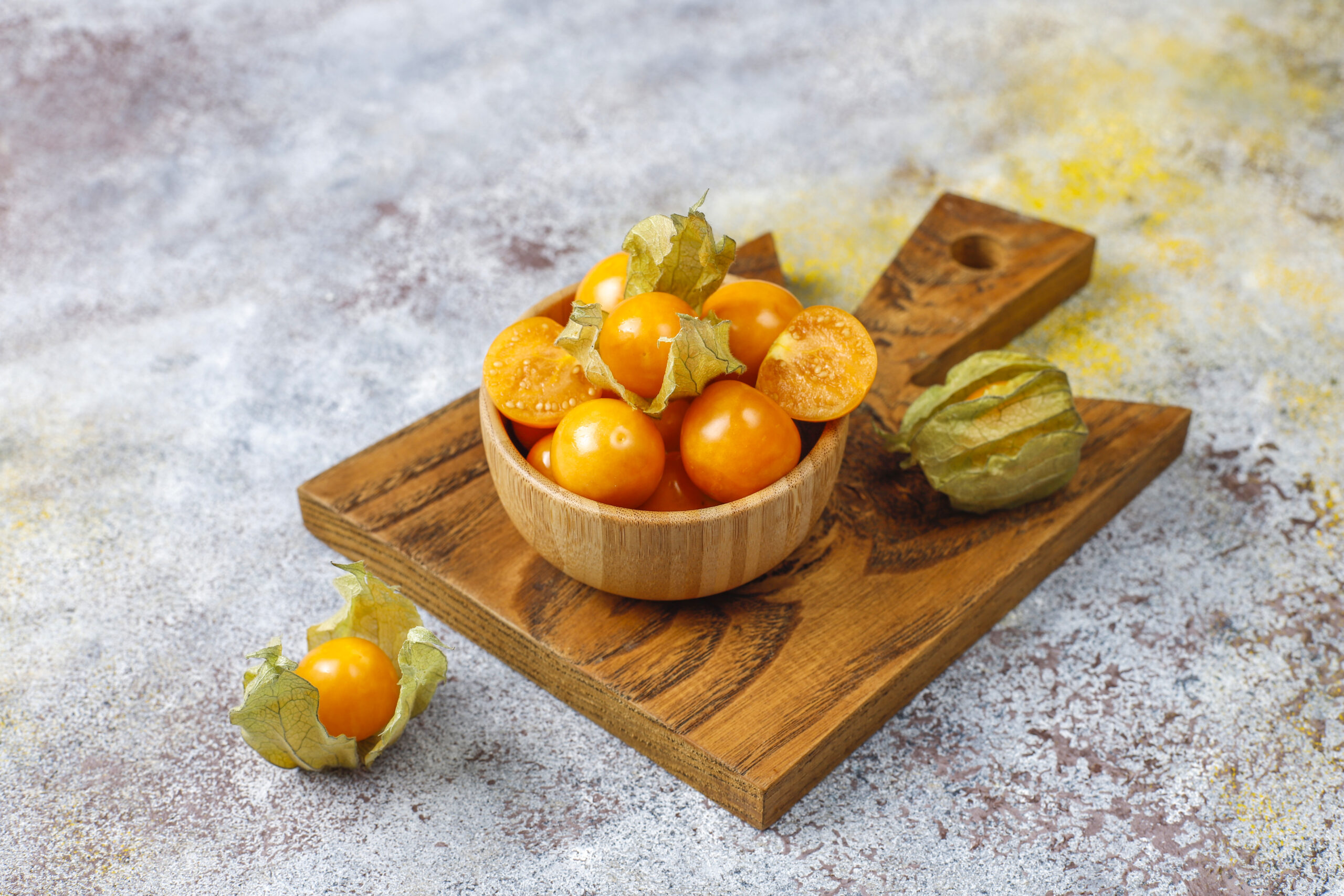
Physalis, Cape gooseberry, or golden berry – all these are other names to describe the rasbhari fruit. There are many areas throughout the world that refer to the fruit simply as ‘rasbhari.’ The name rolls off your tongue the same way the sweet and tart taste of the rasbhari delights your palate. In addition to being a great garnish for fancy desserts, the small and brightly coloured (golden orange) fruit is packed with nutrition and offers a list of health benefits that far surpass its good looks.
The rasbhari has been used for thousands of years starting with its origin in the Andes, throughout the globe and is considered a hidden superfood. The rasbhari fruit benefits has an abundance of nutrients and health-promoting properties that make it a powerhouse of nutrition.
When compared to tomatoes, many people will see the rasbhari fruit as a small tomato; and they are related. However, the rasbhari fruit provides an exotic tropical taste sensation and has been described as having a flavour similar to a combination of pineapple, strawberry and a hint of mango.
This combination of delicious tropical tastes does what the rasbhari does best – offer a story of resilience, multi-continent travel, and maximum wellness potential.
This in-depth view of the rasbhari fruit examines all of its beginning and how it became known as a superfood today. As an added bonus, if you want to include a nutritious food with great immune support, or discover a new flavour for your meal, this is also a valuable benefit.
Rasbhari In English
The Rasbhari fruit’s global journey is reflected in the multitude of names it goes by in English and other languages, which can understandably cause some confusion. Here’s a quick guide to clarify:
- Most Common Names: Cape gooseberry (a name derived from its early cultivation at the Cape of Good Hope in South Africa) and Goldenberry are the most widely used terms in English-speaking countries.
- Other Popular Names: You might also see it labeled as Peruvian ground cherry, Inca berry, Poha berry, or simply Physalis (its genus name).
- Scientific Name: The universal botanical name is Physalis peruviana.
- Global Names: In its native South America, it’s called aguaymanto (Peru), uchuva (Colombia), or uvilla (Ecuador). In Hawaii, it’s poha, and in Egypt, harankash.
So, whether you’re shopping at a local market or reading a recipe, remember that Rasbhari, Cape gooseberry, and Goldenberry are all the same incredible fruit.
Rasbhari Fruit Benefits
Despite being comparatively small in size, Rasbhari fruit health benefit through its power-packed nutrient content. Let’s examine the three best reasons to add the golden berry to your daily diet, using science as support for their benefits to your health.
1. A Powerful Immune System: Rasbhari fruit on a regular basis is due to its high concentration of vitamin C, which fulfills approximately 17-21 per cent of your daily vitamin C requirement based on a one cup serving.
Vitamin C plays an important role in maintaining the function of your immune system, helping prevent illnesses such as colds and flu, and providing additional defence against pathogens.
2. Eye Health: Rasbhari fruit in your diet is because it contains a good amount of vitamin A and carotenoid antioxidants such as lutein and zeaxanthin, both of which actively protect your eyesight by reducing your risk of developing cataracts and macular degeneration due to exposure to blue light and other harmful sources of light.
3. Heart Friendly Nutrient Source: If you are seeking to improve your heart health, Rasbhari fruit has a number of important nutrients such as potassium and polyphenolic compounds that promote heart healthy diets.
Potassium regulates blood pressure by balancing sodium levels in the body, whereas the antioxidant anthocyanins help to prevent cholesterol oxidation and reduce inflammation within blood vessels, thus reducing the risk of heart disease.
4. Bone Strengthening Mineral Source: Calcium and phosphorus are two minerals that build and maintain strong, dense bones. Rasbhari fruit contains both calcium and phosphorus in significant amounts, making Rasbhari a good choice for maintaining a healthy bone structure and preventing osteoporosis.
5. Natural Anti-Inflammatory Agent: Chronic inflammation is associated with many illnesses. Withanolides, a component of Rasbhari, have been shown to have considerable anti-inflammatory properties in studies. Therefore, use Rasbhari for managing conditions like arthritis and improving the overall health of your tissues.
6. Blood Sugar Regulation: If you are managing diabetes or watching your blood sugar, Rasbhari fruit offers a unique advantage. The soluble fiber in Rasbhari fruit (including pectin) and other bioactive compounds can help slow the rate of sugar absorption in the intestinal tract and improve insulin resistance.
7. Promotes Digestive Health: The amount of Fiber (about 6 grams per cup) contributes to having good digestion because it adds bulk to stool, provides regular bowel movements, and acts as a prebiotic that helps the beneficial Bacteria that help maintain your gut Microbiome healthy.
8. Antioxidant Powerhouse: Rasbhari fruit has more than 30 different types of anticancer chemical compounds from the Antioxidant classes of Chemicals (Polyphenols and Withanolides). These antioxidants neutralize harmful free radical molecules that damage our cells and cause premature aging and other diseases.
In studies conducted to measure levels of Antioxidant activity, some ranking Rasbhari fruit Higher than Broccoli and Apples.
9. Weight Management Aid: Rasbhari is low in calories and fat but high in fiber and Water content, making it a great option as a snack for Weight Management, because the fiber also helps to suppress hunger and is a filling snack between meals.
10. Supports Skin and Hair: The combination of Vitamin A and Vitamin C can help to keep both Your Skin and Hair Healthy. The Vitamin C is a strong component of collagen production and relationship to keeping Skin Firm and Young looking along with its Anti-inflammation quality, which can help to relieve inflammation on the skin.
Vitamin A helps cells grow and repair themselves, which benefits both Hair Follicles and Skin Cells.
Read these fruits beneficial posts are- Guava, Black grapes, Passion fruit, Peach, plum, Apricot, Bael fruit, Pear, Dragon fruit, Chiku, kiwi…and more in health-icon.com.
Rasbhari Nutrition
So what is it about the small fruit called Rasbhari that it’s so good for you? Well, a simple glance at Rasbhari’s nutritional components will show that it contains a complete selection of the required vitamins, minerals and phytonutrients.
For example, the table below shows the primary nutrients in a 100 gram portion of the Rasbhari fruit when fresh.
| Nutrient | Amount per 100g | Key Benefit |
| Calories | 53 – 74 kcal | Low-energy, nutrient-dense snack |
| Dietary Fiber | 4 – 6 g | Aids digestion, promotes satiety |
| Vitamin C | 11 – 15.4 mg | Boosts immunity, skin health |
| Vitamin A | 36 – 50 µg | Essential for vision and immune function |
| Niacin (B3) | 2.8 – 3.92 mg | Supports metabolism and nervous system |
| Iron | 1 – 1.4 mg | Crucial for oxygen transport in blood |
| Phosphorus | 40 – 56 mg | Works with calcium for bone health |
| Water | ~85.4 g | Helps with hydration and nutrient transport |
Rasbhari Taste
There is a tricky bit about how to describe the taste of Rasbhari. It is a complex interplay of sweet and tart, as well as the tingle of the taste of something that is tropical.
The majority of individuals detect a tropical fruit component (either a pineapple or mango) that is enhanced with an earthiness, somewhat like a strawberry and/or citrus.
The first flavour note is generally a tangy burst, followed closely by a smooth, mild sweetness.
This unique combination allows for exceptional versatility with using Rasbhari; it can be consumed raw, as a snack with a juicy consistency and vibrant flavour, and/or used to create both sweet and savoury meals (e.g. fruit or green salads, smoothies, jams & sauces, and even as an accompaniment to dark chocolate).
Rasbhari Plant
The Physalis peruviana plant, also known as the Rasbhari, belongs to the Solanaceae family and is thus closely related to eggplant, tomatoes and potatoes. In colder regions, it often dies out after growing for only one season, whereas in hotter countries it may be considered a perennial.
Typically tending to be around three to five feet tall when fully grown, Physalis peruviana flourish best in locations with plenty of sunshine and well-drained soil.
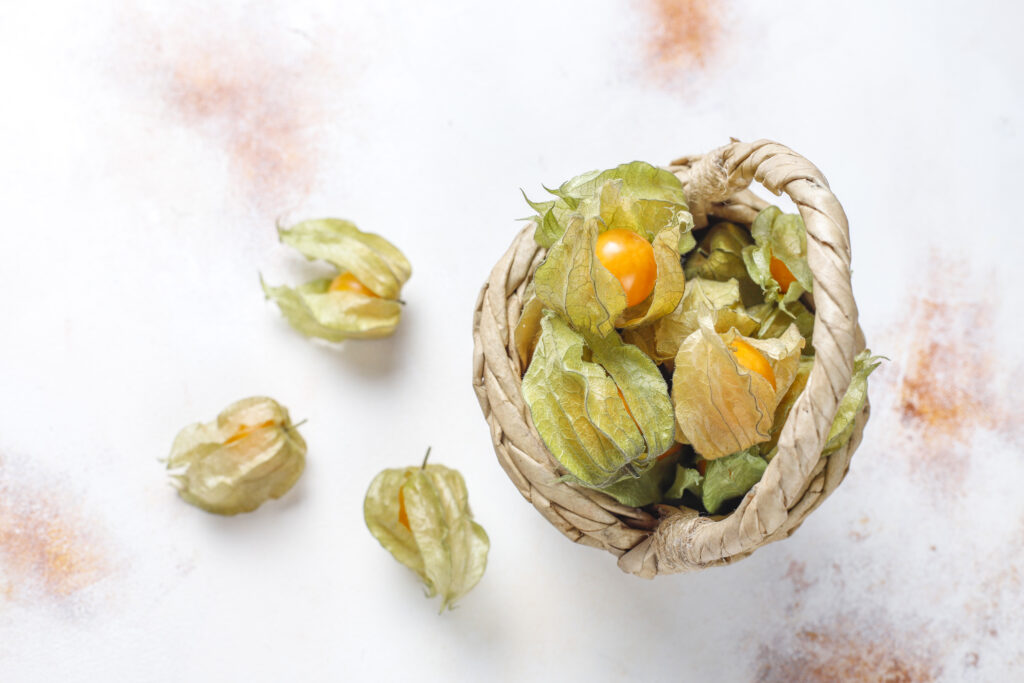
The wonder of the Rasbhari lies in how the fruit develops. When the Physalis peruviana grow small yellow-coloured “bell-like” flowers, at their base are green calyxes. The thing that’s so wonderful about this calyx is the way that the plant uses its calyx to protect the fruit as it grows.
When the fruit is green inside, instead of simply wilting away, the calyx expands to create a translucent, fibrous “husk” that envelops it and also provides some level of protection from bugs and other environmental factors.
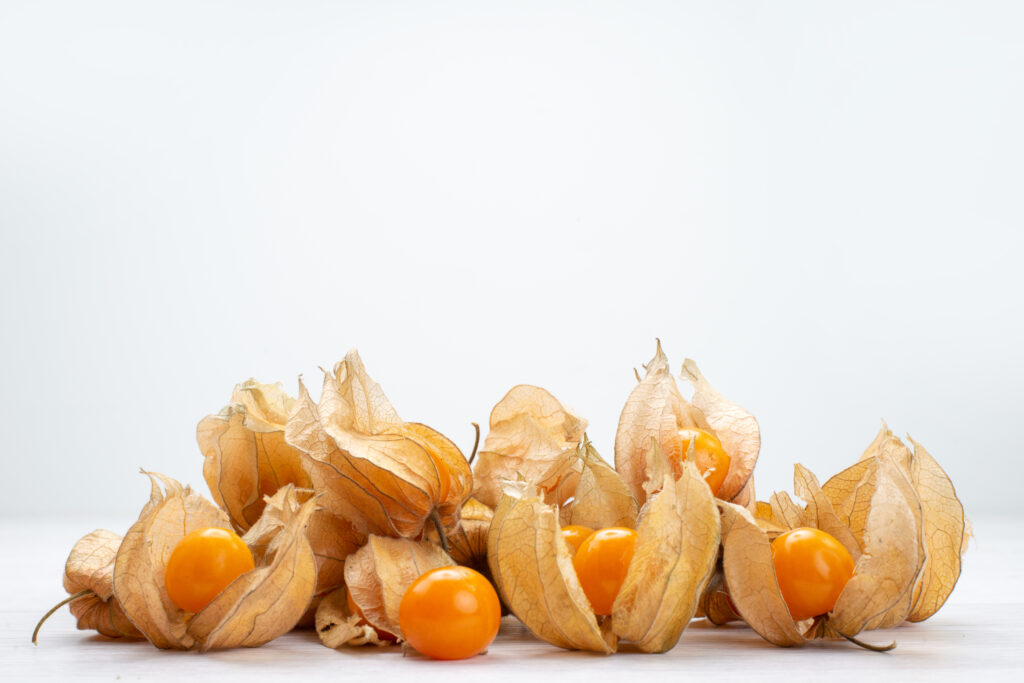
As the fruit within grows and eventually changes from green to yellow, the calyx dries out and turns from green to brown, appearing like delicate parchment paper. Therefore, in addition to being fruitful, Physalis peruviana can also serve as an ornamental plant.
Red Rasbhari Fruit
While traditional Rasbharees are known as a bright yellow to rich orange, you may also see some references to or experience seeing Razbharees containing a reddish color.
The reddish colored version of the Rasbharee comes from different varieties of Rasbharees and/or different amounts of certain antioxidants that are naturally present in the fruit, the most notable of these being Anthocyanins (the same pigments that give the blueberries and raspberries their color).
The two varieties have very similar taste and nutritional benefits when consumed, but you may perceive the red variety will have a slight increase in antioxidant value due to increased levels of the Anthocyanin, otherwise both varieties are comparable in the extraordinary number of health effects they produce.
The main determining factors for determining whether a Rasbharee is ripe or sweet, whether it is an orange or red variety, are a full and rounded shape of the fruit and a fully colored and dried/husked nut.

Rasbhari Side Effects
While Rasbhari can be consumed safely in normal amounts by most people (when eaten RiPe), there are important precautions you must take:
• Do Not Eat Unripe Fruits: Unripe Rasbhari berries, as well as the stems and leaves of the plant, contain solanine, which is a natural toxin found in nightshade plants. Eating them can cause gastric distress such as abdominal cramps, nausea, and diarrhea.
Make sure the fruit is fully ripe (the fruit should be bright orange or bright yellow without any green spots) and can be removed from its paper-like shell.
• Allergy Potential: If you have a known allergy to any other nightshade vegetables (i.e., tomatoes, peppers, eggplants), exercise caution when you try Rasbhari for the first time.
• Moderate Intake: As with any highly fibrous food, suddenly adding large amounts of Rasbhari to your diet may cause temporary bloating/gas. You should begin with a small portion.
An animal study indicates that extremely high concentrated doses of the juice may cause heart-related effects, so it would not be safe to consume these levels of juice. However, no studies indicate that consuming the whole fruit in normal quantities presents any risk to the body.
Always consult with a healthcare provider if you have specific health conditions or concerns before making significant changes to your diet.
Conclusion
The Rasbhari or Goldenberry is one of the most extraordinary gifts of nature. Its delicate, lantern-like husk, along with the vibrant and sweet-tart taste makes it an amazing berry. It is an example of how a tiny fruit can be full of nutrients, and therefore, rasbhari or goldenberry has many health benefits.
If you are looking for a way to help boost your immune system, protect your eyesight, or simply want to add a unique culinary ingredient to your kitchen, rasbhari or goldenberry is an excellent choice.
Why not create your own mini travels? You can find ‘Cape Gooseberries’ (or ‘Goldenberries’) at your local grocery store in the ‘exotic fruit’ section, or you can find them at local farmers’ markets.
You could also try growing this delightful plant in your backyard in a sunny area. When you unwrap the husk and take a bite of this fresh gold berry, you will be reminded of olden times in South America where this berry was once widely consumed.
Disclaimer: The information provided on this website is for general educational and awareness purposes only. It should not be considered a substitute for professional medical advice, diagnosis, or treatment. Always consult your doctor or a qualified healthcare professional before making any changes to your diet, medication, or health routine. The author and website are not responsible for any outcomes resulting for the use of this information.
Frequently Asked Questions
Can diabetics eat Rasbhari (Cape Gooseberry)?
Yes, Rasbhari is often considered beneficial for people with type 2 diabetes. Its soluble fiber can help regulate blood sugar absorption, and some studies suggest its extracts may improve insulin sensitivity. However, due to its fructose content, it should be consumed in moderation as part of a balanced diet, and it’s crucial to consult with a doctor for personalized advice.
Is Rasbhari good for weight loss?
Absolutely. Rasbhari is low in calories and fat but high in fiber and water, making it an excellent, satisfying snack for weight management. The fiber helps promote feelings of fullness, which can curb appetite and prevent overeating.
What are the benefits of Rasbhari for skin?
Rasbhari benefits the skin primarily through its high vitamin C content. Vitamin C is vital for collagen production, which keeps skin firm and youthful, and its antioxidant properties protect skin cells from damage caused by free radicals and UV exposure. Its anti-inflammatory properties may also help soothe skin conditions.
Are there any side effects of eating too many Rasbhari?
The main risks come from eating unripe fruit, which can cause solanine poisoning leading to digestive issues. Eating large amounts of ripe fruit may cause temporary gastrointestinal discomfort like bloating due to the high fiber content. Always consume ripe fruit in moderation.
3 thoughts on “Rasbhari Fruit Benefits: Nutrition & Side Effects”