
Table of Contents
Methi leaves are a very beneficial green leafy vegetable that has been used as an ingredient in Indian cooking as well as traditional medicine for centuries because of its slightly bitter taste and potent aroma. Methi contains many vitamins and minerals as well as having many medicinal properties, including improving digestion; regulating glucose levels; and improving skin health. Methi has been utilized as both an Ayurvedic and a folk remedy for thousands of years.
Today as we live busy lives, more and more people are looking for natural options such as methi to help them stay healthy and avoid the unwanted side effects from chemical medications. Methi can be consumed in many forms – fresh, dried or cooked – providing a wide range of health elements.
This article provides all the information you need to understand the many uses and benefits of methi, including its English definition; the health benefits; its nutrients; kasuri methi; and possible side effects.
Vegetables such as drumstick, bottle gourd and ash gourd are also known for their digestive and detox benefits
Methi Leaves (Fenugreek)
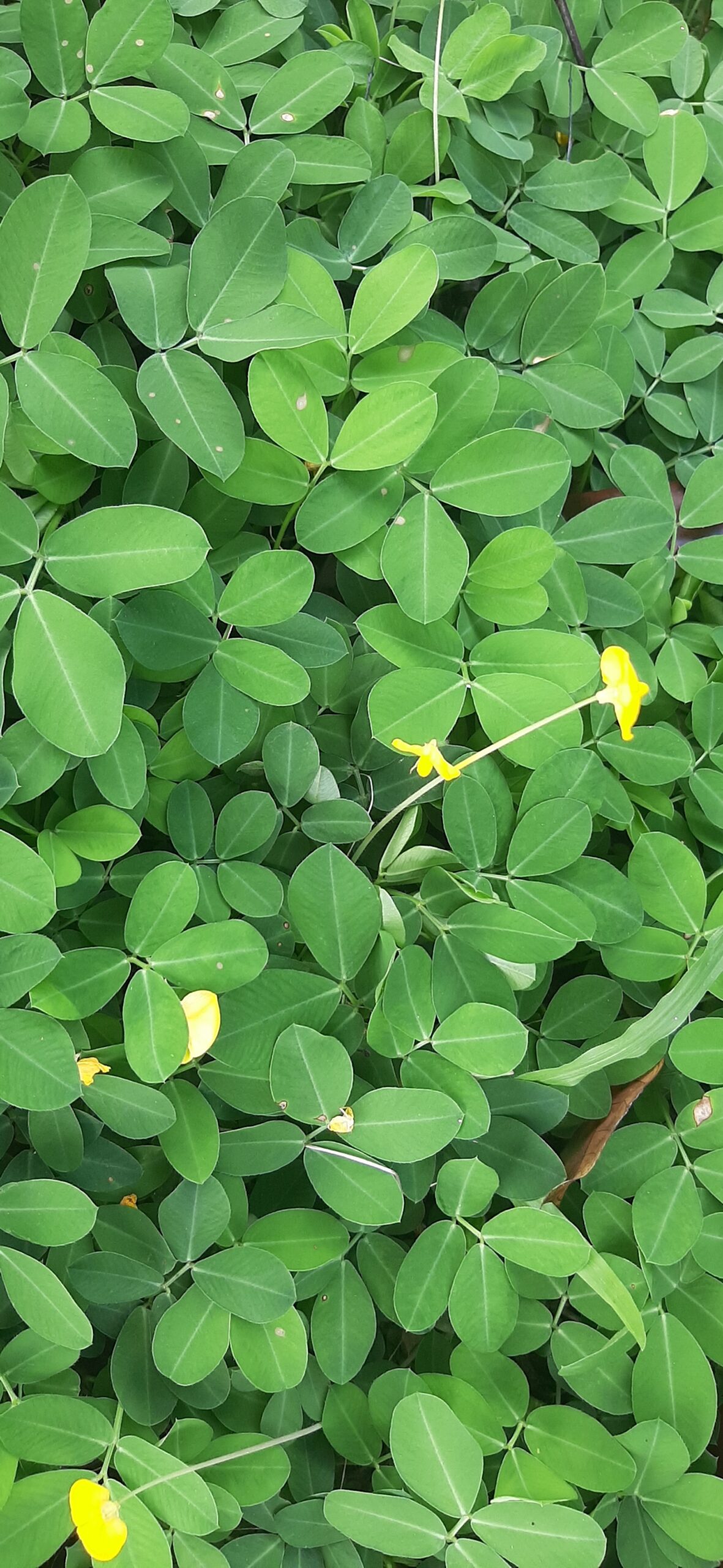
Methi leaves are harvested from fenugreek plants. Fenugreek has been extensively cultivated in India, Pakistan, Nepal, and several areas of the Middle East. Methi leaves are small, bright green leaves that emit a strong aroma. You will find most recipes for methi contain some type of preparation using fresh or dried methi leaves.
There are two types of methi leaves on the market:
- Fresh methi leaves
- Dried methi leaves (Kasuri methi)
The peak season to purchase fresh methi leaves is usually winter and early spring; you can find dried methi leaves year-round. Beyond cooking, people have used methi leaves in traditional Ayurvedic practices for thousands of years.
In Ayurveda, methi leaves are believed to possess warming qualities that help to balance out any excess accumulation of Kapha and Vata dosha. Thus, they are frequently recommended to relieve digestive disorders, manage blood sugar levels in diabetics, alleviate pain in the joints and reduce hormonal imbalances.
If you are interested in natural remedies, read our article on Fenugreek Seeds Water Benefits.You may also like Cinnamon Water Benefits
Methi in English
Fenugreek is the English name for Methi.
- Methi leaves in English: Fenugreek leaves
- Methi seeds in English: Fenugreek seeds
The scientific name of methi is Trigonella foenum-graecum.
Fenugreek has been used for thousands of years not only in Indian Cuisine but also in Ancient Egypt, Greece and Rome. Today we find indications that both fenugreek leaves as well as fenugreek seeds provide distinct benefits to health all around the globe.
Methi Leaves Benefits
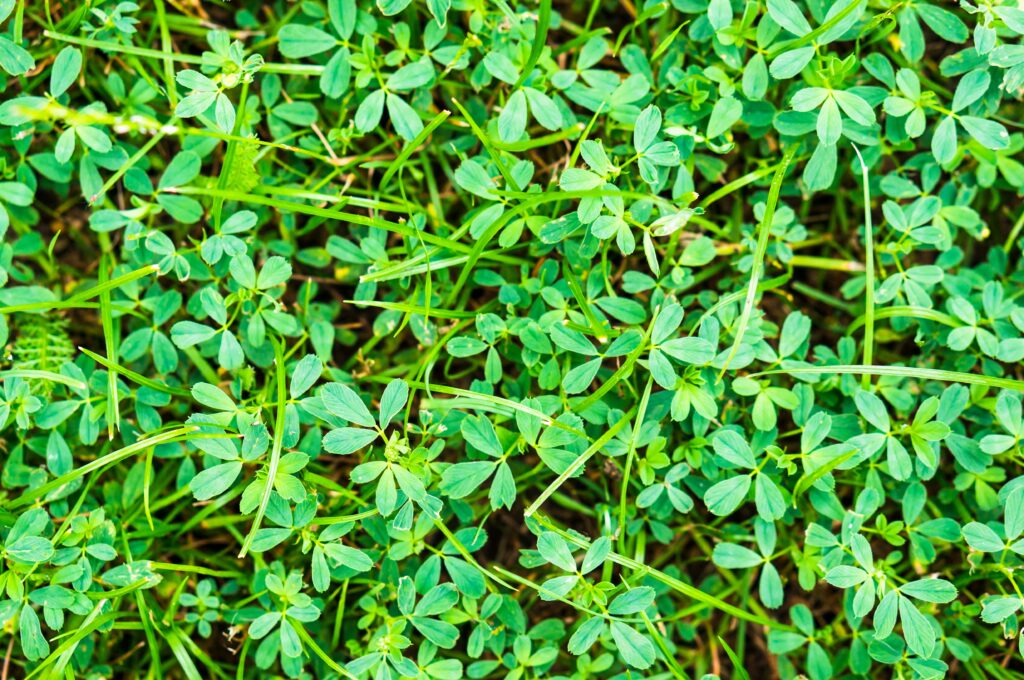
Methi leaves not only have many nutrients and beneficial compounds that promote good health but are considered to be one of the most beneficial leaves when it comes to controlling blood sugar levels. This part of the article will provide detailed information on some of the major health benefits of methi leaves.
1. Helps Blood Sugar Level Control
One of the main benefits that are often discussed in regards to methi leaves is their ability to regulate blood sugar levels. Due to the presence of soluble fiber in methi leaves, carbohydrate and sugar absorption into the bloodstream is slowed down. Regular consumption of methi leaves can have a positive impact for individuals with diabetes or prediabetes as it can assist with:
- Improving insulin sensitivity
- Lowering fasting blood sugar levels
- Preventing sudden sugar spikes after consuming meals
Methi leaves are an easy and natural way for individuals to support healthy blood sugar levels every day.
2. Improve Digestive Health
Methi leaves can be very beneficial for digestive health. The digestive enzymes found in methi leaves stimulate the gut to function correctly. Additionally, methi’s high fiber content aids in the prevention of constipation and the maintenance of regular bowel movements. Some of the benefits associated with using methi leaves for digestive concerns include:
- Relief from indigestion
- Reduced gas and bloating
- Improved appetite
- Improved absorption of nutrients
By consuming methi regularly, you will help to maintain a healthy and functioning digestive system.
3. Supports Weight Loss
If you’re trying to lose weight the natural way, then adding methi leaves to your diet may be a good idea. Methi leaves contain many nutrients (low in calories, high in fibre) and keep us greased up for longer periods of time.
Methi leaves promote weight loss by:
- Helping to eliminate cravings for food
- Helping to boost metabolic rate
- Helping with fat digestion
- Preventing us from overeating
Adding methi leaves as a part of a diet consisting of other healthy foods could help us achieve a healthy level of sustainable weight loss.
4. Improves Heart Health
Methi leaves are high in Antioxidants and Fibre that help lower bad cholesterol (LDL) levels in your bloodstream. By lowering these levels, you can also lower your risk of having a heart attack and improve your overall cardiovascular health.
Eating methi leaves regularly can:
- Lower Cholesterol Levels
- Increase blood flow
- Support healthy blood pressure
- Decrease the risk of heart attack
By adding methi leaves into your daily meals, you’re making an intelligent and natural choice to have a healthy heart.
5. Strengthens Immunity
Methi leaves are rich in vitamins and antioxidants which assist in strengthening our immune systems. They’re known for providing protection to our body from becoming ill, as well as helping speed up the healing time after we’ve become sick.
Some of the benefits to immunity include:
- To protect us from seasonal illnesses
- For faster healing time
- For the reduction of inflammation
- To build greater resistance to disease
If you are going to experience a seasonal change, eating methi leaves will help build your immunity as well.
6. Improves Skin Health
The methi plant’s anti-inflammatory and antibacterial properties make it an excellent choice for skin health. They help to purify the blood, remove toxins from the body, and the result will show on the skin.
The benefits of methi leaves to your skin:
- Reduction in acne and pimples
- Increased natural glow
- Treatment for skin infections
- Slowing down signs of aging
A paste of methi leaves or using them on a regular basis will produce clear and healthy skin.
7. Promotes Healthy Hair Growth
Methi leaves are widely used in hair care remedies. Methi leaves contain proteins and nicotinic acid, which help strengthen hair roots and stimulate hair growth.
The hair benefits of methi leaves include:
- Decreased hair loss
- Strengthened roots
- Prevention of dandruff
- Improved texture and shine of your hair
Internal ingestion and/or external topical applications of methi leaves can help to improve your hair naturally.
8. Supports Women’s Health
Methi leaves are used primarily to benefit women. Methi leaves can provide support for hormonal balance and help relieve some of the discomfort experienced during the menstrual cycle.
The benefits of methi leaves to women include:
- Decreased discomfort during the menstrual cycle
- Increase in iron levels
- Support during menopause
- Improved hormone balance
Methi leaves are often suggested for women suffering from anemia due to their high iron content.
9. Reduces Inflammation and Joint Pain
Due to their anti-inflammatory properties, methi leaves help reduce swelling and joint pain. They are beneficial for people suffering from arthritis and joint stiffness.
Regular intake may help:
- Reduce inflammation
- Improve joint flexibility
- Decrease pain naturally
10. Detoxifies the Body
Methi leaves help cleanse the liver and remove toxins from the body. This detoxifying effect improves overall health and energy levels.
Read this fruit benefits and add in your diet- Sea buckthorn, Rasbhari, Persimmon fruit, Muskmelon, Strawberry, Guava, Black grapes, Artichoke, Passion fruit, Dragon fruit, Avocado, Pineapple, Plum, Peach, Pear, Apricot…and more in health-icon.com.
Methi Leaves Nutrition
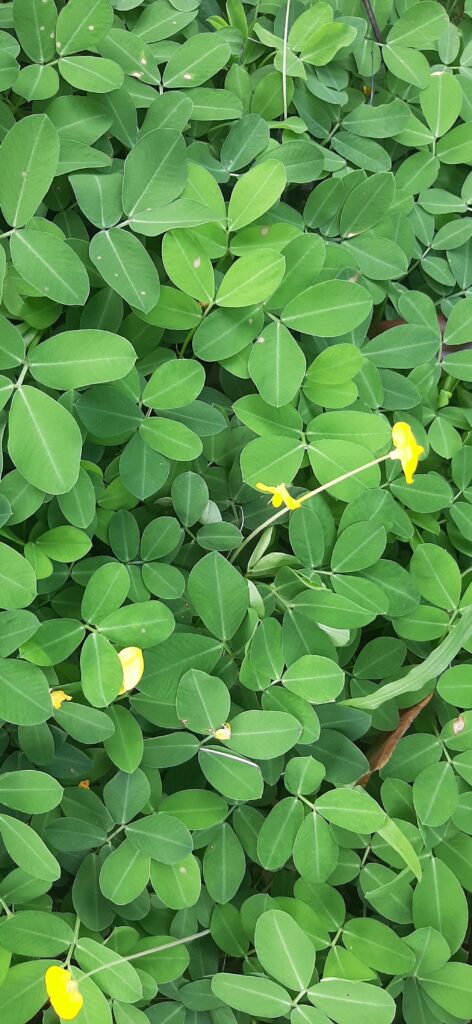
Methi leaves are rich in essential nutrients that support overall health.
Nutritional Value (per 100 grams approx.)
- Calories: Low
- Protein: Moderate
- Fiber: High
- Carbohydrates: Moderate
- Iron: High
- Calcium: High
- Magnesium: Present
- Potassium: Present
- Vitamin A
- Vitamin C
- Vitamin K
- Vitamin B6
- Folic acid
Due to this rich nutritional profile, methi leaves are considered a superfood.
Kasuri Methi
Kasuri methi is the methi dry leaves. It is widely used in India and other countries. It is a spice and has a strong aroma, as well as a bitter taste, and is typically used to flavor Indian food.
Benefits of Kasuri Methi
- Improves digestion
- Enhances taste of food
- Supports blood sugar control
- Helps reduce bloating
- Adds flavor without extra calories
Kasuri methi is commonly used in many Indian foods, including curries, gravies, dals, and vegetable dishes. Even though it has a very strong aroma, a little bit goes a long way, adding to the flavor of your meals while benefiting your health.
Methi Leaves Side Effects
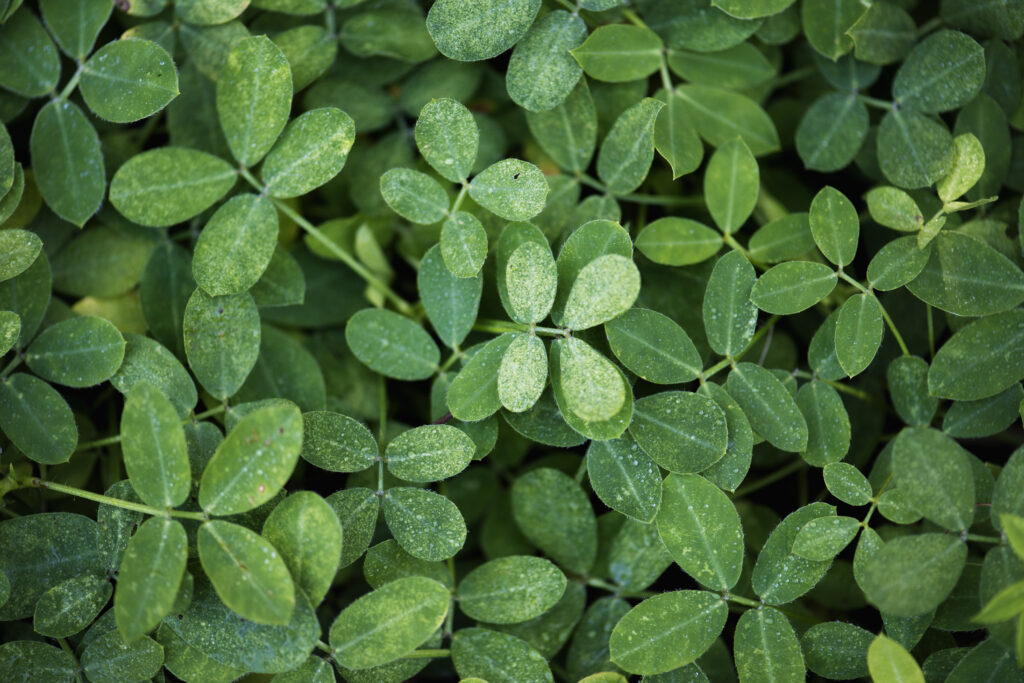
The methi leaves are generally safe for mostpeople, but they can cause problems if consumed in excess.
Possible Side Effects
- Probably some form of digestive discomfort if consumed excessively
- May cause allergy for those who are allergens
- Diabetics may find Blood Sugar levels dropping excessively if consumed too much
- Not recommended for pregnant women to take in extremely high amounts
Who Should Be Careful?
- Pregnant women
- Individuals with blood sugar medication use
- Anyone with allergies to legumes
Moderate intake of methi leaf will allow any individual to gain the potential health benefits without any issues..
Conclusion
Methi leaves have many uses and benefits. They are good for the body, mind, and spirit. They help control blood sugar levels, aid digestion, improve skin, hair, and heart health, and promote overall wellness.
You can use fresh methi leaves or dried (kasuri) methi for cooking or eating. Either way, methi leaves will have a positive impact on your health! Adding methi leaves to your diet is an easy way to gain the health benefits of this wonderful herb.
If you’re looking for an easy-to-use, low-cost, and highly effective superfood, then methi leaves should be at the top of your list!
Disclaimer: The information provided on this website is for general educational and awareness purposes only. It should not be considered a substitute for professional medical advice, diagnosis, or treatment. Always consult your doctor or a qualified healthcare professional before making any changes to your diet, medication, or health routine. The author and website are not responsible for any outcomes resulting from the use of this information.
FAQs
What are the main benefits of methi leaves?
Methi leaves help control blood sugar, improve digestion, support weight loss, boost immunity, and improve skin and hair health.
Are methi leaves good for diabetes?
Yes, methi leaves are beneficial for diabetes as they help slow sugar absorption and improve insulin sensitivity naturally.
Can we eat methi leaves daily?
Yes, methi leaves can be eaten 2–3 times a week safely. Daily consumption in moderate amounts is generally safe for healthy individuals.
What is kasuri methi and how is it different?
Kasuri methi is dried fenugreek leaves. It has a stronger aroma than fresh methi and is mainly used as a seasoning in Indian dishes.
Are there any side effects of methi leaves?
Excessive consumption may cause digestive discomfort or low blood sugar. Pregnant women and diabetic patients should consume in moderation.