
Table of Contents
When your baby starts growing, it is very important to provide him needs of nutrition – and iron becomes nutrition is one of the most important elements that helps in the growth of children. Many parents in India and around the world are worried about whether their child is getting enough iron exposure or not, especially after six month of age in this describe the iron rich foods for babies.
In this detailed guide, you’ll learn:
- Why iron is essential for babies
- Symptoms of iron deficiency
- Top 10 iron rich foods for babies
- Helpful information regarding feeding your baby
- Safe and age-appropriate suggestions
Iron Importance for Baby
Iron plays a vital role in your child’s overall physical development. Its consumption leads to the production of hemoglobin in the red blood cells – iron is a protein that transports oxygen throughout the red blood cells. Without enough iron, babies can develop iron deficiency anemia, which can affect growth, brain development and immunity.
Why Do Need iron foods for 6 month baby?
During pregnancy, the baby collects iron from their mother and consumes iron. These iron stores usually last for the first 4-6 months on iron. After that, breast milk alone cannot provide sufficient iron nutrition, especially for a growing baby.
Benefits of Adequate Iron in Babies
1.Good brain development
Iron is required for improve growth, memory and learning ability. Consume iron in early life will provide help for healthy mental growth.
2. Healthy strong immune system
Babies with good levels of iron have fewer opportunities to contract illnesses.
3. Proper muscle growth
Iron is responsible for delivering oxygen to muscles; therefore, babies will have greater energy and activity.
4. Reduction of fatigue and irritability
Iron deficiency may manifest itself as excessive tiredness, loss of color in the skin (pale), or lack of appetite, among other signs.
Good digestion helps in better nutrient absorption. Learn more about natural digestive support in our article on fennel seeds benefits.
Signs of Iron Deficiency in Babies
- Pale skin color
- Weakness
- Poor weight gain
- Delay in normal development
- Frequent illness
If you notice these symptoms, consult a pediatrician doctor before making dietary changes.
If your baby experiences mild digestion discomfort as new foods are introduced, understanding natural remedies like carom seeds benefits can be helpful for family awareness.
Top 10 Iron Rich Foods for Babies
Below are the best iron-rich foods containing for iron that are safe, nutritious, and suitable for help boost iron levels in babies (after 6 months, unless otherwise advised by your doctor).
1. Spinach (Palak)
Spinach is one of the most common plants to provide iron rich foods source because it contains non-heme iron, with folate, vitamin A, and vitamin C. Additionally, these nutrients help in producing healthy blood and providing immunity.
If you wish to eating spinach to a baby older than 6 months, the best method is to use it in a pureed form. Before making puree, it should be very well washed and cooked. Light steaming helps hold the nutrients while also making it easier for the baby to digest.
In addition to the nutrients mentioned above, spinach also contains antioxidants, which support brain development. It’s also important to serve it immediately due to its natural nitrates; fresh spinach puree has the highest quality nutrients if served that way and not log time stored this puree.
For maximum iron absorption, consider pairing the spinach puree with foods high in vitamin C, like mashed tomatoes or lemon juice (for older children). If serving spinach for the first time, only serve a small amount initially so you can monitor how well your baby tolerates it.
2. Lentils (Dal)
Lentils like toor dal, moong dal and masoor dal are nutritious iron sources for babies. They are easy to digest and are very high in protein.
Dal provides iron, with fibre, protein and B vitamins which all provide help in healthy weight gain and build muscles. For babies, the best way to serve dal is cooked and mashed or as a thin soup.
Moong dal is a very gentle and easily digestible food and is often recommended as a first food for baby growth. When your baby gets older, you can prepare dal khichdi by combining moong dal with rice.
You can increase the body’s ability to absorb iron rich foods if you add some lemon juice (after cooking and slightly cooling) to the cooked dal. Babies should not be given any salt until they are over 1 year old.
3. Ragi (Finger Millet)
Ragi is an excellent source of iron and calcium, making ragi soup a great food for babies in India.
The meal is made into a ragi porridge, which is soft, nutritious and satisfying. Because of the calcium content, it supports the growth of bones while providing iron for the formation of healthy blood.
Ragi cereal made at home is superior to pre-packaged varieties. When ragi is sprouted before prior to grinding, it will be able to absorb more nutrients from the sprouting process.
Ragi has a high fibre content; therefore, it help in digestion. It is important to start babies introducing ragi slowly and to ensure that it is served in a smooth consistency to avoid risk of choking.
4. Egg Yolk
Egg yolks are full of healthy fat, iron and vitamins. They can help support your child’s brain development and provide energy throughout the day.
After 8 months (or as advised by your pediatrician), start giving your baby well boiled, mashed egg yolks. Use a small amount of breast milk or warm water to blend the yolk making it is a smooth mixture.
The egg yolk is also a good source of protein and provides choline, which is important for developing memories.
Be sure to introduce eggs carefully, just as you would any new food, so you can watch for signs of an allergic reaction.
5. Sweet Potato
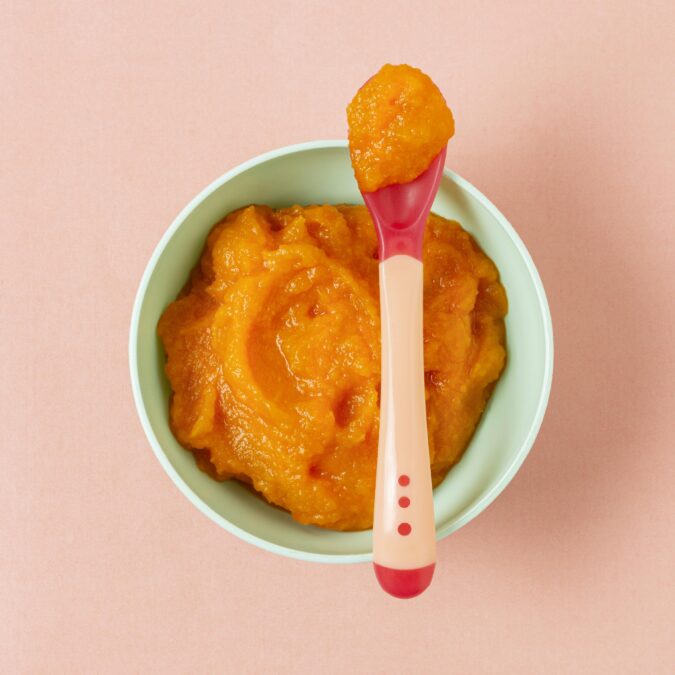
Sweet Potato has Iron, Vitamin A and Fiber in it. It is sweet and baby-friendly as it has a natural sweetness that easily accepted by babies because babies love sweet potatoes taste.
The best method to prepare sweet potatoes is to either steam them or boil them until soft and then mash them up smoothly very well. Help babies metabolise their food better and build their immune systems with this veggie! The sweetness of this vegetable will eliminate the need for sugar when served as a sweet.
Sweet Potatoes can also be part of an Iron-rich meal for your little one when combined with either Lentils or Spinach.
6. Chickpeas (Chana)
Chickpeas are rich in Iron and Plant Protein. They support Muscle gain and provide sustained energy for children.
Chickpeas need to be soaked overnight and cooked properly until they are very soft enough to be pureed. Chickpeas blend and making a smooth puree that avoid a choking threat Baby.
Chickpeas contain Zinc and Magnesium, which will help support Baby’s Immune systems.
7. Pumpkin Seeds (Powder Form)
Pumpkin seeds are an unexpected source of iron and should be roasted before being ground into a fine powder before eating for babies.
A small pinch can be added to baby mashed foods or cereals for a healthy nutrition addition of fat and zinc.
Be sure to grind the powder well enough that there is no risk of choking on it.
8. Broccoli
Broccoli is both a good source of iron and vitamin C (which significantly increases the absorption of iron from food), and it is very nutritious for babies.
It should be lightly cooked (steamed) and then pureed. Broccoli is also good for your baby’s immunity and for the development of strong bones.
Mixing broccoli with potatoes or lentils can give it a better taste for baby food.
9. Tofu (For Vegetarian Families)
Tofu is a good source of plant-based iron and protein. Use only fresh, soft tofu.
You can mash it and add it to vegetables, which promote muscle growth and brain development.
You can introduce it at 8–9 months of age, but observe how well your baby digests it.
10. Dates (In Paste Form)
Dates are good sources of iron and natural sugars.
You will make to soak the dates and blend them in to create a paste.
You can use small amounts of the paste to sweeten porridge and they provide a quick source of energy, as they help to develop hemoglobin.
Do not give your baby large amounts of date paste because they could choke on it, and always serve it as a paste form.
For parents focusing on family nutrition, you may also like reading about fenugreek seeds water benefits for overall wellness support.
Tips to Improve Iron Absorption
- Consume Vitamin C when eating iron-rich foods
- Avoid tea or coffee to happen within 1 hour of your child’s meal (for older babies/toddlers)
- Depending on the child’s dietary needs, include iron-rich cereals
- Variety is key in the nutrition provided to babies.
FAQs
What are the best iron rich foods for babies?
The best iron rich foods for babies include spinach, lentils, ragi, egg yolk, chickpeas, sweet potato, broccoli, tofu, pumpkin seeds powder, and dates paste. These foods provide essential iron needed for healthy growth and brain development.
At what age can babies start eating iron rich foods?
Babies can start iron rich complementary foods after 6 months of age, when their natural iron stores begin to decrease. Always introduce foods gradually and consult your pediatrician if unsure.
How can I increase iron absorption in my baby?
You can increase iron absorption by pairing iron rich foods with vitamin C rich foods like tomato, lemon (for older babies), or fruits such as orange and mashed berries. Avoid giving milk immediately with iron-rich meals.
Is ragi good for iron deficiency in babies?
Yes, ragi (finger millet) is a good plant-based source of iron. When prepared properly as porridge, it can support healthy hemoglobin levels in babies.
What are the signs of iron deficiency in babies?
Common signs include pale skin, weakness, poor appetite, slow weight gain, irritability, and frequent infections. If you notice these symptoms, consult a pediatrician for proper diagnosis.
Conclusion
Iron supports your baby’s physical growth and brain development, and a healthy strong immune system. Dietary iron increases in importance after the first six months of life. Including natural iron-rich foods like spinach, lentils, ragi, egg yolk, and dates can help in keeping a healthy iron level.
Always introduce new foods gradually and consult your pediatrician if you suspect deficiency in iron.
Providing balanced nutrition in early childhood builds the foundation for lifelong health.
Disclaimer: The information provided on this website is for general educational and awareness purposes only. It should not be considered a substitute for professional medical advice, diagnosis, or treatment. Always consult your doctor or a qualified healthcare professional before making any changes to your diet, medication, or health routine. The author and website are not responsible for any outcomes resulting from the use of this information.