
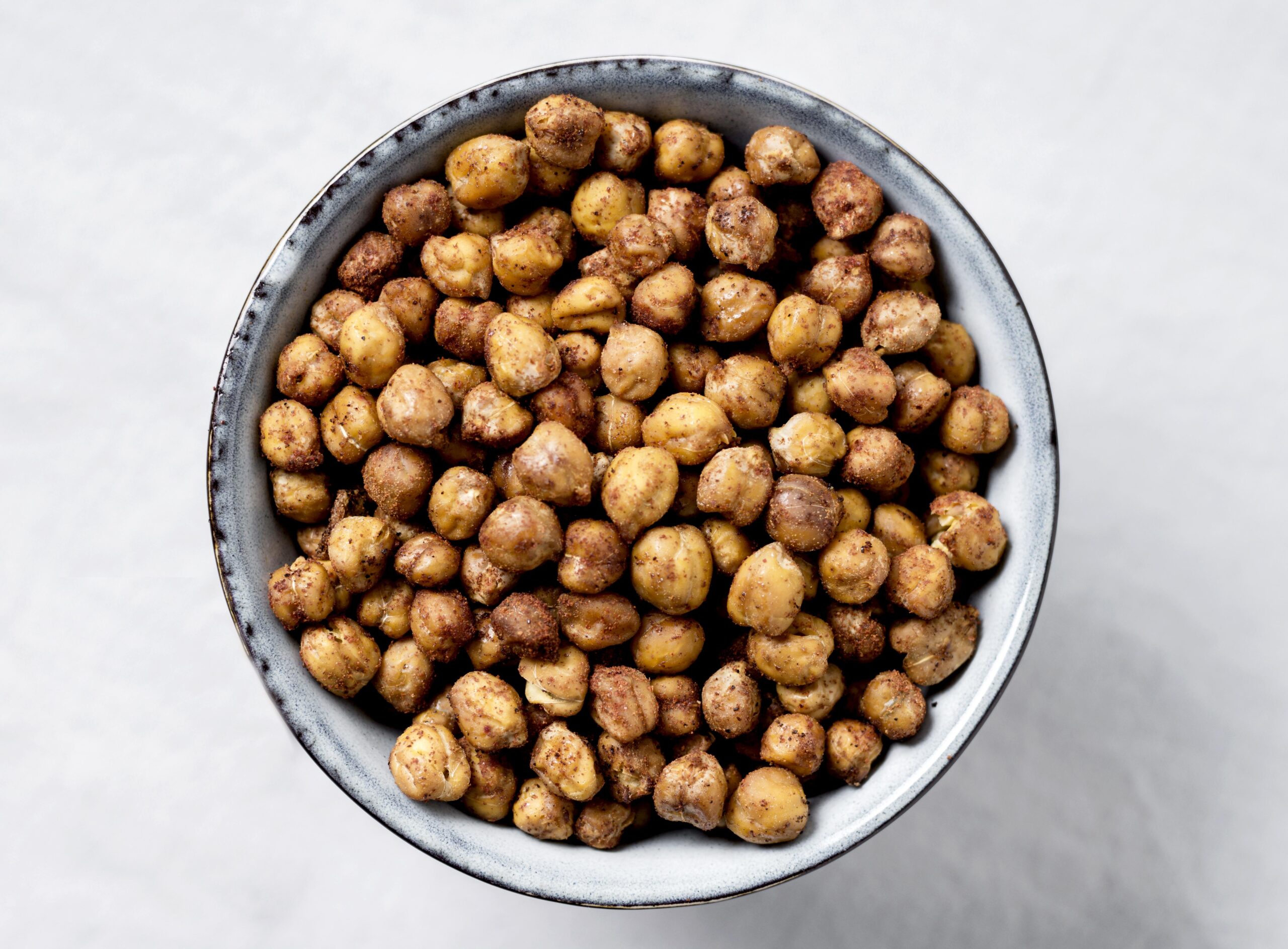
When there is a shortage of food elements in the nutrient-dense, the black chickpeas (which is called Kala chana or Bengal gram) often lives in fly under the radar . These small, dark colored fruits black chickpeas nutrition rich in fiber, which provide many health benefits, and can be included in your diet.
Whether you want to improve your protein intake, improve your digestion, control your blood sugar, or improve your daily health, why not black chickpeas nutrition deliver? In this detailed guide, we’ll reveal some effective nutrition profiles, science-backed health benefits, and easy ways to incorporate them into your diet.
Do you want to lose weight or do you want to include kitchen seeds or spices in your diet? To know their health benefits, you will definitely read these posts.
- Flax seeds benefits for hair, sunflower seeds benefits, Pumpkin seeds benefits for skin, Chia seeds benefits.
- Coriander water benefits, Fenugreek seeds water benefits.
Table of Contents
Nutritional Profile of Black Chickpeas
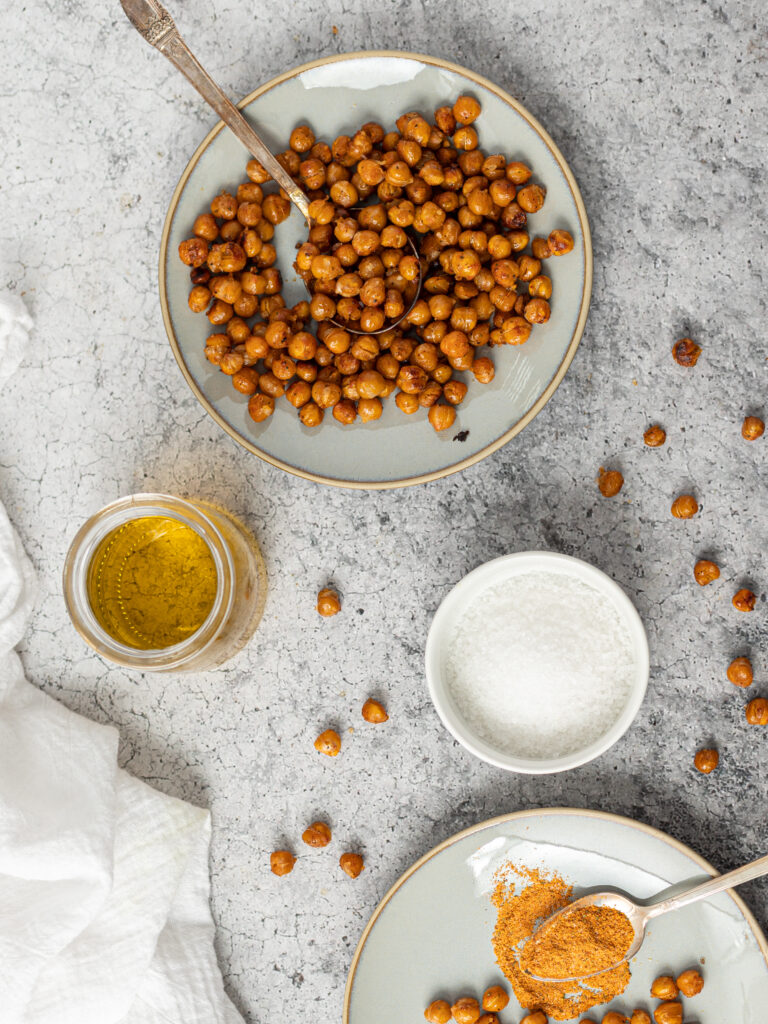
Black chickpeas are a rich source of plant-based protein, fiber, vitamins and minerals. Here the main black chickpeas nutrition elements of Chickpeas protein per 100 grams (cooked) are given:
- Calories: 164 kcal
- Protein: 9 g (excellent for vegetarians & vegans)
- Fiber: 8 g (supports digestion & gut health)
- Carbohydrates: 27 g (low glycemic index)
- Fat: 2.6 g (mostly healthy unsaturated fats)
- Iron: 3 mg (great for anemia prevention)
- Magnesium: 48 mg (supports muscle & nerve function)
- Potassium: 291 mg (regulates blood pressure)
- Folate (Vitamin B9): 172 mcg (essential for cell growth)
- Zinc: 1.5 mg (boosts immunity & wound healing)
Additionally, black chickpeas nutrition contain antioxidants such as polyphenols and flavonoids, which fight oxidative stress and inflammation.
Top 7 Health Benefits of Black Chickpeas
1. Excellent Source of Plant-Based Protein
Black chickpeas are a great source of protein, especially for vegetarians and vegans. Along with 9 grams of protein in per 100 grams of, black chickpeas nutrition also help in:
• Repair of muscle problems and development
• To spoil the drinking habits and boost metabolism
• To reduce belly fat and help in weight loss
They are combined with whole grains (such as brown rice or roti) to form a complete protein, ensuring that all the essential amino acids are utilized.
2. Supports Digestive Health & Gut Function
Due to their high fiber content (8g per 100g), black chickpeas nutrition:
- Prevent constipation by promoting disrupting regular bowel movements
- Feed good gut bacteria, which will improving microbes of health
- Reduce bloating & digestive discomfort
Studies show that diets rich in fiber lower the risk of colon cancer and irritable bowel syndrome (IBS).
Studies have shown that a fiber-rich diet reduces the risk of colon cancer and choroid plexus syndrome (IBS).
3. Helps Manage Blood Sugar & Diabetes
Black chickpeas have a low glycemic index (GI), which means they slow down the blood pressure. This black chickpeas nutrition getting help:
• stabilize blood sugar levels
• stop insulin spikes
• 2 ways to reduce the risk of diabetes
Research in the American Journal of Clinical Nutrition found that regular consumption of black chickpeas nutrition significantly reduces blood sugar levels in diabetic patients.
4. Boosts Heart Health
The fiber, potassium, and magnesium present in black chickpeas nutrition contribute to cardiovascular wellness by yoga for everyday health:
- Lowering LDL (bad) cholesterol
- Reducing blood pressure
- Preventing plaque buildup in arteries
Their antioxidant content is also fights inflammation, which is a key factor in heart disease.
5. Help in Weight Loss & Controls Hunger
Due to their high protein and fiber content, black chickpeas nutrition:
- Keep you full for longer period of time, reducing unnecessary snacking
- Stabilize hunger hormones (ghrelin & leptin)
- Provide steady energy without blood sugar crashes
Including them in meals in the diet black chickpeas nutrition can help reduce overall calorie intake naturally.
6. Rich in Iron – Fights Anemia
Black chickpeas nutrition are an excellent iron source (3mg per 100g), which making them ideal for:
- Preventing iron-deficiency anemia
- Improving oxygen circulation
- Boosting energy levels
These when combined with food items containing vitamins-C rich food (like lemon or tomato) black chickpeas nutrition help in reducing constipation.
7. Strengthens Bones & Immunity
Packed with calcium, magnesium, zinc, and folate, black chickpeas nutrition support:
- Bone density & prevention of osteoporosis
- Faster wound healing
- Stronger immune response
The same folate content is especially important for pregnant women, Black chickpeas nutrition can helps in the development of the fetal.
How to Include Black Chickpeas in Your Diet
Black chickpeas are versatile and easy to prepare. Here are some delicious ways to enjoy them and consume black chickpeas nutrition benefits:

1. Boiled Kala Chana Salad
- Soak overnight, boil, and mix with onions, tomatoes, cucumber, lemon, and chaat masala.
- A protein-rich, low-calorie snack.
2. Black Chickpea Curry (Kala Chana Masala)
- Cook with onions, garlic, ginger, tomatoes, and spices for a hearty dish.
- Serve with brown rice or roti.
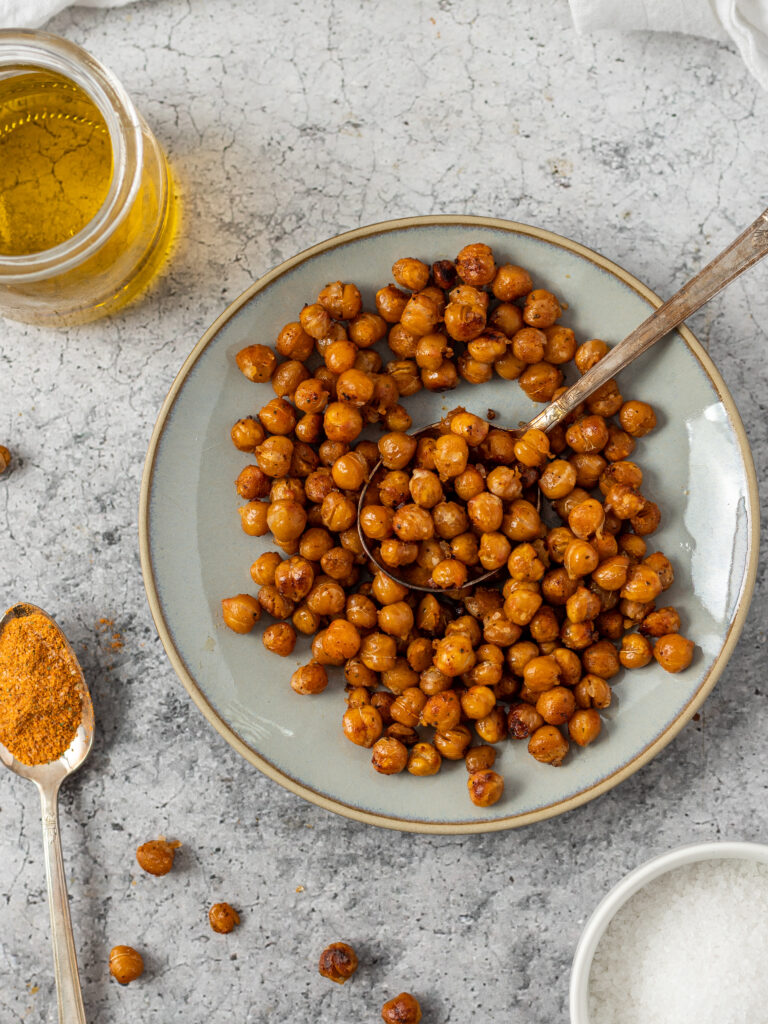
3. Roasted Chana Snack
- Dry roast soaked black chickpeas nutrition with turmeric, salt, and pepper for a crunchy snack.
4. Hummus (Black Chickpea Version)
- Blend boiled black chickpeas nutrition with garlic, tahini, olive oil, and lemon juice for a unique dip.
5. Sprouted Chana for Extra Nutrition
- Sprouting increases nutrient absorption—add to salads or stir-fries.
Potential Side Effects & Precautions
Although black chickpeas nutrition, few people can experience:
• Swelling or gas (due to high pressure – start with small portions)
• Allergic reactions (rare but possible in practical individuals)
• Kidney stones (due to oxalate being consumed in large quantities)
Suggestion: By soaking and drying them properly, the waste material like phytic acid gets reduced, which improves the digestion power black chickpeas nutrition.
Conclusion
Black chickpeas nutrition are a powerhouse of nutrition that provides benefits for digestion, daily health, blood sugar control, weight loss and fitness. They are easy to affordable, consume, easy to cook and have a reliable flavour, making them a smart addition to anyone’s diet.
Whether you want them, enjoy black chickpeas nutrition in curries, salads or snacks, their high protein, fiber and mineral content makes them a great way to include them in your diet.
Have you tried black chickpeas? What’s your favorite way to eat them? Share in the comments!
Disclaimer: The information provided on this website is for general educational and awareness purposes only. It should not be considered a substitute for professional medical advice, diagnosis, or treatment. Always consult your doctor or a qualified healthcare professional before making any changes to your diet, medication, or health routine. The author and website are not responsible for any outcomes resulting for the use of this information.
FAQs
Are black chickpeas better than regular chickpeas?
Black chickpeas (Kala Chana) have a higher protein and fiber content compared to regular chickpeas (Kabuli Chana). They also contain more iron and antioxidants, making them a superior choice for blood health and immunity.
How much black chickpeas should I eat daily?
A ½ to 1 cup (cooked) per day is ideal for most people. This provides enough protein, fiber, and minerals without causing digestive discomfort.
Can black chickpeas help in weight loss?
Yes! Their high fiber and protein content keep you full longer, reduce cravings, and support fat loss when combined with a balanced diet.
Do black chickpeas raise blood sugar?
No—they have a low glycemic index (GI), which helps regulate blood sugar levels and prevents spikes, making them diabetic-friendly.
What’s the best way to cook black chickpeas?
Soak overnight (8-12 hours), then boil or pressure cook until soft. This improves digestibility and reduces cooking time.