
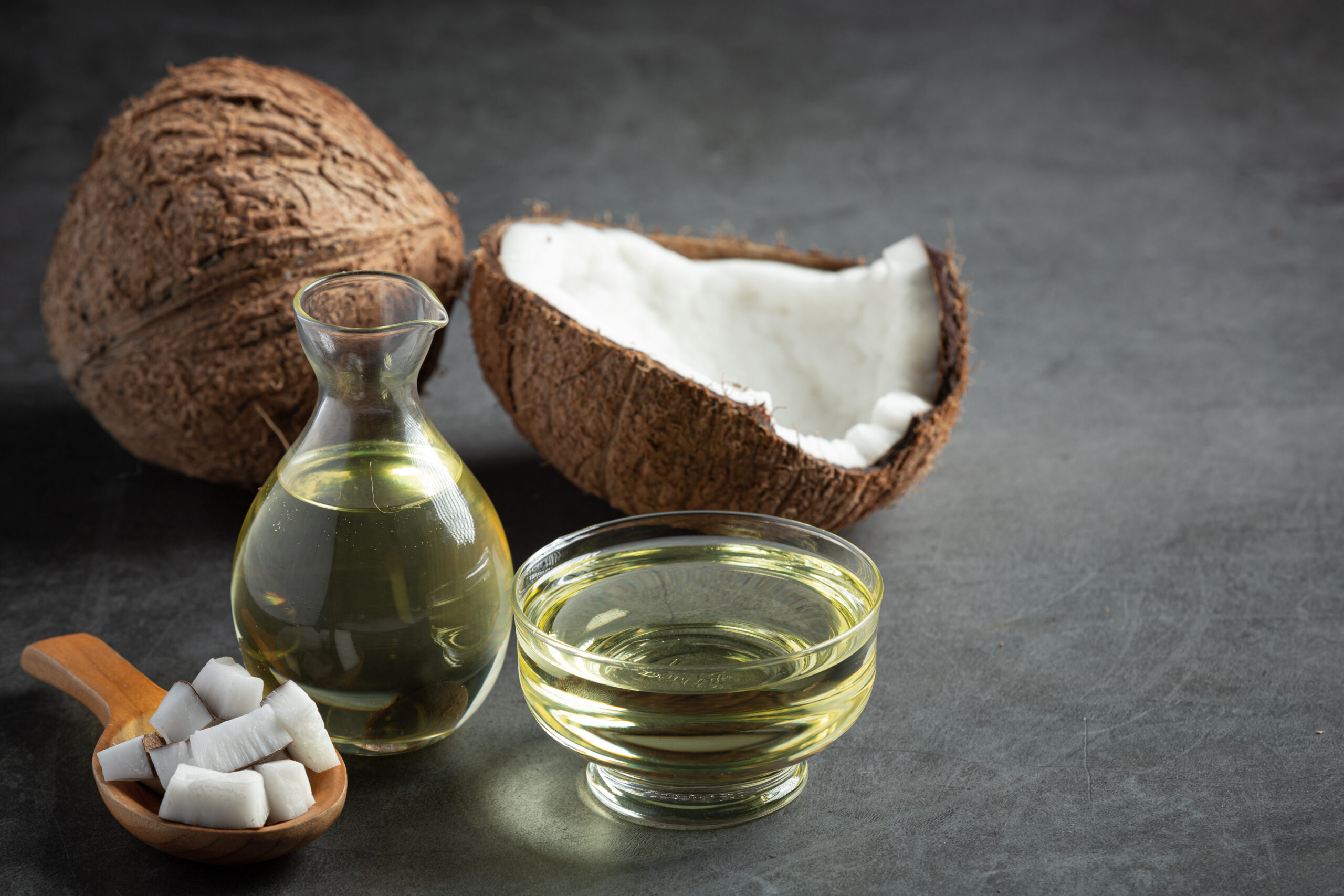
In recent years, the popularity of virgin coconut oil has increased, celebrated by health enthusiasts and culinary experts alike. Unlike refined coconut oil, VCO is extracted from fresh coconut meat without high heat or chemical processing, preserving its natural antioxidants and beneficial compounds. This cold-pressed method ensures that the oil retains its nutritional integrity as well as its distinctive aroma and flavor.
As consumers increasingly seek natural and holistic health solutions, virgin coconut oil has emerged as a versatile superfood with applications ranging from cooking to skincare. However, amid the hype, it’s essential to separate evidence-based benefits from mere claims. This article delves into the science-backed advantages of virgin coconut oil, exploring its potential to support heart health, enhance cognitive function, improve skincare, and more.
We’ll also address controversies surrounding its saturated fat content and provide practical tips for incorporating it into your daily routine. Whether you’re new to virgin coconut oil or a long-time user, this guide will help you understand why this tropical treasure has earned its reputation as a true wellness powerhouse.
Do you want to lose weight or do you want to include seeds or nuts in your diet? To know their health benefits, you will definitely read these posts.
What Is Virgin Coconut Oil?
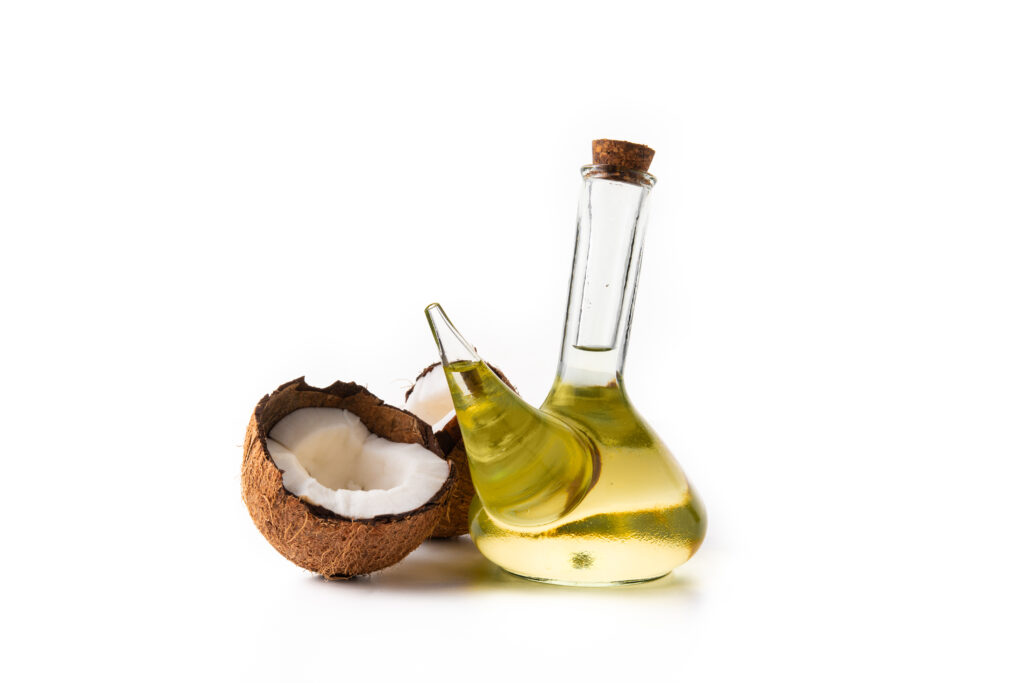
Virgin coconut oil is derived from the fresh meat of mature coconuts (Cocos nucifera) using methods that involve minimal heat, such as cold-pressing or fermentation. This gentle extraction process helps preserve the oil’s natural bioactive compounds, including polyphenols, vitamin E, and medium-chain fatty acids (MCFAs).
Unlike refined coconut oil, which is often bleached and deodorized, virgin coconut oil maintains its characteristic coconut scent and flavor, making it a favorite in both culinary and cosmetic applications. The term “virgin” is not regulated for coconut oil as it is for olive oil, but it generally signifies a higher-quality product that is unrefined and minimally processed.
Virgin coconut oil contains approximately 90% saturated fats, primarily lauric acid (about 47%), along with other MCFAs like caprylic and capric acids. These MCFAs are metabolized differently than long-chain fatty acids found in other oils, contributing to many of virgin coconut oil unique health properties.
Nutritional Profile
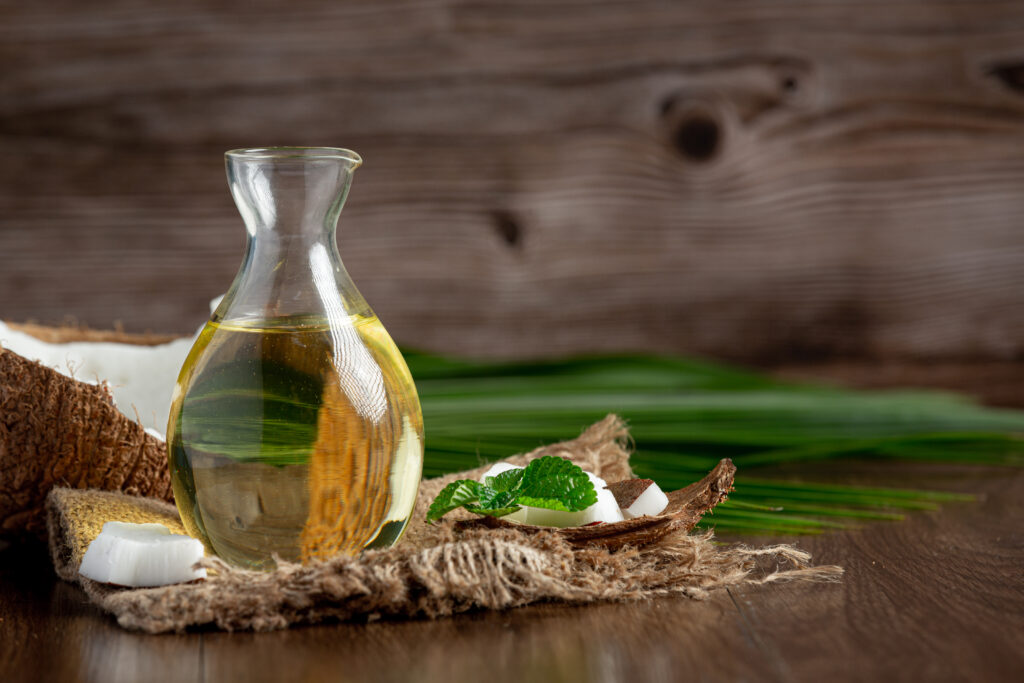
Virgin coconut oil is calorie-dense, like all fats, providing about 120 calories per tablespoon. Its fat composition includes:
- Saturated fats (90%): Primarily lauric acid, myristic acid, and palmitic acid.
- Monounsaturated fats (6%): Including oleic acid.
- Polyunsaturated fats (4%): Such as linoleic acid.
- Trace nutrients: Vitamin E, vitamin K, iron, and plant sterols.
Lauric acid is the most notable component, known for its antimicrobial and anti-inflammatory properties. When digested, lauric acid converts to monolaurin, which can combat harmful pathogens like bacteria, viruses, and fungi. Although VCO lacks significant vitamins or minerals, its richness in MCFAs and antioxidants sets it apart from other dietary fats.
Health Benefits
1. Supports Heart Health
Despite historical concerns about its saturated fat content, recent research suggests that virgin coconut oil may improve lipid profiles by increasing high-density lipoprotein (HDL or “good”) cholesterol. Mainly cholesterol-lowering lipoproteins (LDL or “bad”) helps reduce cholesterol, which reduces the risk of plaque formation. A randomized crossover trial found that daily consumption of two tablespoons of VCO significantly increased HDL cholesterol levels in healthy adults.
However, some studies indicate that VCO may also raise LDL cholesterol, though its impact on cardiovascular disease risk remains debated. The American Heart Association advises limiting saturated fat intake, including coconut oil, to reduce heart disease risk. Nonetheless, the unique metabolic effects of MCFAs in VCO suggest that it may be a healthier alternative to other saturated fats like butter or lard.
2. Enhances Brain Function
The MCFA present in virgin coconut oil are converted into ketones in the liver, which act as the primary source of energy for the brain. This is particularly beneficial for individuals with Alzheimer’s disease or other neurodegenerative conditions, where glucose metabolism is impaired. Ketones can bypass insulin resistance and provide energy to brain cells, potentially improving cognitive function.
A 2020 review highlighted the neuroprotective, anti-inflammatory, and antioxidant properties of MCFAs, supporting their role in preventing Alzheimer’s disease. Additionally, a study in patients with Alzheimer’s disease found that a VCO-enriched Mediterranean diet improved episodic memory, temporal orientation, and semantic memory, with more pronounced effects in women.
3. Boosts Immune System
Lauric acid and monolaurin in VCO exhibit powerful antimicrobial effects against pathogens like bacteria, viruses, and fungi. These compounds disrupt the lipid membranes of harmful microorganisms, inhibiting their growth. For instance, VCO may help reduce Staphylococcus aureus colonization in individuals with atopic dermatitis and combat Helicobacter pylori, a bacteria linked to stomach cancer.
Regular consumption of VCO can also support gut health by reducing candida overgrowth and promoting a balanced microbiome, further enhancing immune function.
4. Promotes Healthy Skin
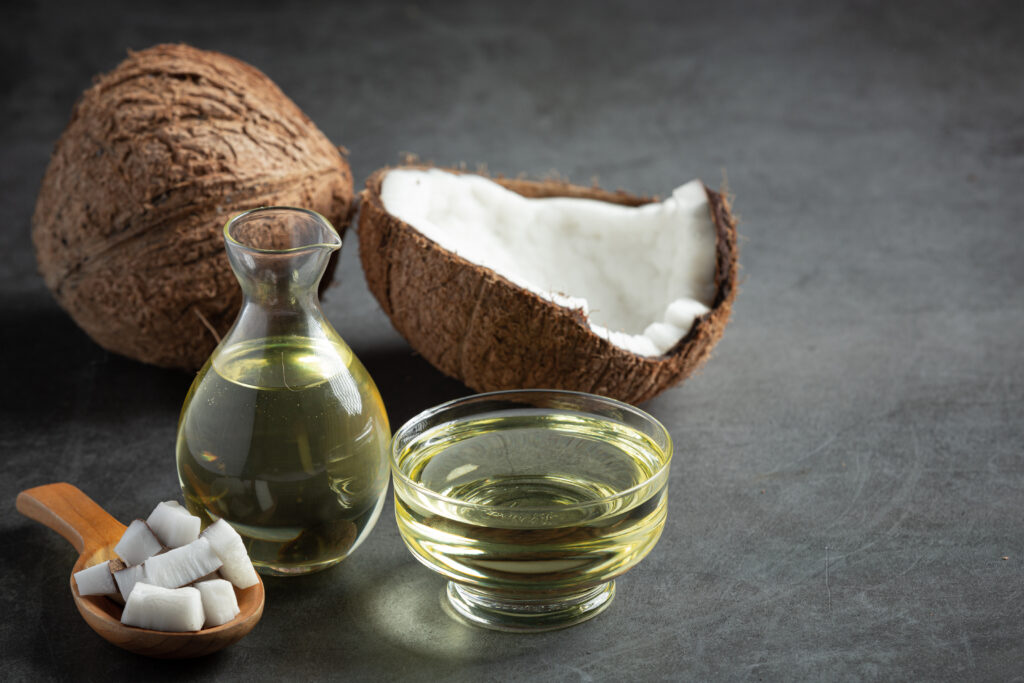
Topical application of virgin coconut oil is effective for moisturizing and protecting the skin. Its fatty acids, such as lauric acid, reduce inflammation and improve skin barrier function. Clinical studies have shown that VCO can alleviate symptoms of eczema (atopic dermatitis) and xerosis (dry skin) by reducing dryness, itching, and rashes.
In a randomized trial, participants with atopic dermatitis who applied VCO twice daily for four weeks experienced significant improvements in severity scores and skin hydration. Additionally, VCO’s antioxidant properties help protect against oxidative stress and UV damage, making it a natural remedy for premature aging.
5. Aids in Oral Health
Oil pulling, an ancient Ayurvedic practice, involves swishing oil in the mouth to reduce bacteria and improve oral hygiene. VCO is particularly effective due to its high lauric acid content, which denatures bacteria and reduces plaque formation.
A systematic review indicated that oil pulling with VCO could be a useful adjunct to standard oral hygiene practices, potentially reducing dental caries and gum disease. This practice can whiten teeth and freshen breath naturally.
6. Supports Weight Management
The MCFAs in VCO are rapidly absorbed and oxidized for energy, increasing thermogenesis and promoting satiety. This can reduce overall calorie intake and support weight loss efforts. Unlike long-chain fatty acids, MCFAs are less likely to be stored as fat.
Studies suggest that VCO may help reduce abdominal obesity and improve metabolic rates, though more research is needed to confirm these effects in humans.
7. Fights Inflammation and Arthritis
Virgin coconut oil’s antioxidant and anti-inflammatory properties can help reduce inflammation associated with conditions like arthritis. In animal studies, VCO suppressed inflammatory cells and reduced arthritis symptoms more effectively than some medications.
Its polyphenols and vitamin E content neutralize free radicals, mitigating oxidative stress that contributes to chronic inflammation.
8. Improves Digestive Health
VCO aids digestion by enhancing the absorption of fat-soluble vitamins (A, D, E, K), calcium, and magnesium. It also helps balance gut bacteria by reducing harmful pathogens like candida. This can alleviate symptoms of irritable bowel syndrome (IBS) and improve nutrient assimilation.
Additionally, VCO may reduce the strain on the pancreas and gallbladder, as MCFAs do not require pancreatic enzymes for digestion.
Practical Uses and Applications
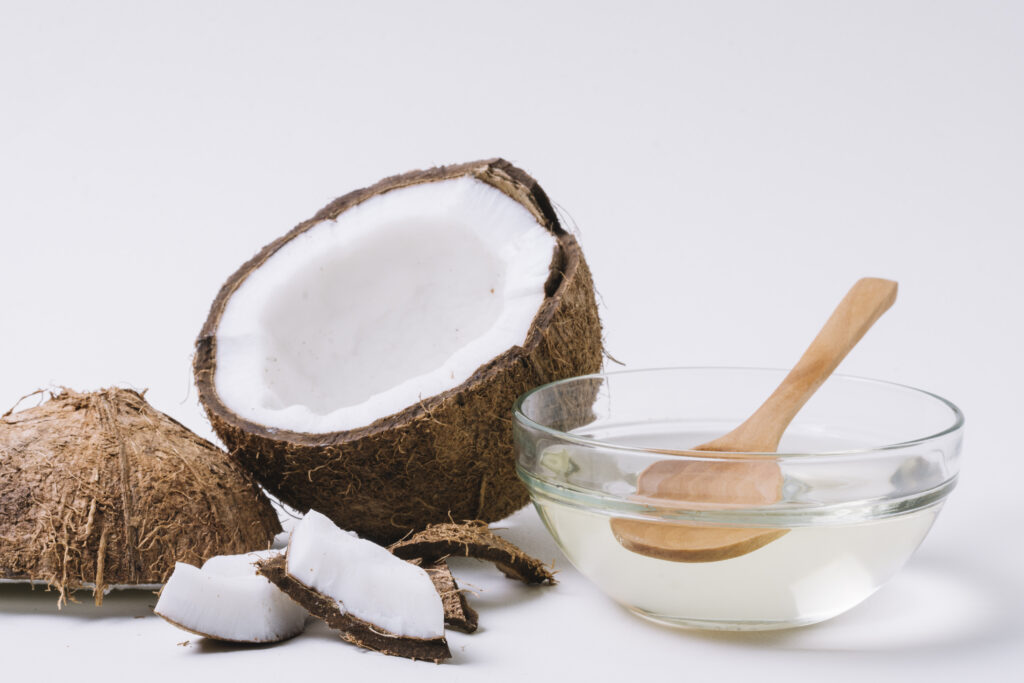
- Cooking food: VCO has a smoke point of 350°F, making it suitable for roasting, baking and cooking food over medium heat. . Its subtle coconut flavor enhances curries, smoothies, and baked goods.
- Skincare: Use VCO as a natural moisturizer, makeup remover, or hair conditioner. It can also treat diaper rash, chapped lips, and minor burns.
- Oil Pulling: Swish one tablespoon of VCO in your mouth for 10–20 minutes daily to improve oral health.
- Supplementation: Consume 1–2 tablespoons daily to reap its internal benefits. It can be added to coffee, tea, or recipes.
Controversies and Considerations
While virgin coconut oil offers numerous benefits, its high saturated fat content remains controversial. Some studies associate coconut oil with increased LDL cholesterol, which could elevate cardiovascular risk. However, other research suggests that its overall impact on lipid profiles may be neutral or even beneficial when used in moderation. The American Heart Association recommends limiting saturated fat intake to 5–6% of total daily calories, which is about 13 grams for a 2,000-calorie diet.
Individuals with specific health conditions, such as hypercholesterolemia, should consult a healthcare provider before incorporating VCO into their diet. Additionally, while topical use is generally safe, those with oily or acne-prone skin should patch-test VCO, as it may clog pores for some individuals.
How to Choose and Store Virgin Coconut Oil
- Look for “cold-pressed” or “expeller-pressed” labels to ensure minimal processing.
- Avoid refined or partially hydrogenated coconut oil, which may contain chemicals or trans fats.
- Store in a cool, dry place to prevent rancidity. VCO has a long shelf life of 2–3 years due to its stability.
Conclusion
Virgin coconut oil is a multifaceted natural remedy with proven benefits for heart health, brain function, immunity, skincare, and more. While it is not a magic bullet, its unique composition of MCFAs and antioxidants makes it a valuable addition to a balanced lifestyle.
By choosing high-quality VCO and using it mindfully, you can harness the power of this tropical treasure to enhance your well-being. As research evolves, the role of VCO in health promotion remains promising and profound.
Disclaimer: This article is for informational purposes only and does not constitute medical advice. Consult a healthcare professional before making significant changes to your diet or lifestyle.
Disclaimer: The information provided on this website is for general educational and awareness purposes only. It should not be considered a substitute for professional medical advice, diagnosis, or treatment. Always consult your doctor or a qualified healthcare professional before making any changes to your diet, medication, or health routine. The author and website are not responsible for any outcomes resulting for the use of this information.
FAQs
Can virgin coconut oil really help with weight loss?
It may support weight management efforts. The medium-chain triglycerides (MCTs) in virgin coconut oil are metabolized differently than other fats; they are used for immediate energy and can increase feelings of fullness, potentially helping you eat less. Some studies show it can help reduce abdominal fat. However, it is still high in calories, so it should be used to replace other fats in your diet, not simply added on top.
How can I use virgin coconut oil on my skin?
Virgin coconut oil is an excellent natural moisturizer. You can apply it directly to damp skin after a shower to lock in moisture. Its anti-inflammatory properties make it helpful for soothing conditions like eczema and dermatitis. It can also be used as a gentle makeup remover, a hair mask, or to treat minor cuts and burns. If you have oily or acne-prone skin, do a patch test first, as it may clog pores for some.
What’s the difference between virgin and refined coconut oil?
The main difference lies in processing and quality. Virgin coconut oil (VCO) is cold-pressed from fresh coconut meat, preserving its natural antioxidants, flavor, and aroma. Refined coconut oil is made from dried coconut (copra) and is often bleached and deodorized using high heat, which removes its natural compounds and neutralizes its taste. VCO is considered the superior choice for health benefits.
Is virgin coconut oil good or bad for cholesterol?
This is a common point of confusion. Virgin coconut oil is high in saturated fats, which can raise LDL (“bad”) cholesterol. However, its unique fatty acids, especially lauric acid, are also shown to significantly raise HDL (“good”) cholesterol. This improved HDL ratio may be beneficial, but the overall impact on heart disease risk is still debated. Moderation is key, and it’s best to consult with your doctor if you have cholesterol concerns.
1 thought on “Virgin Coconut Oil”