
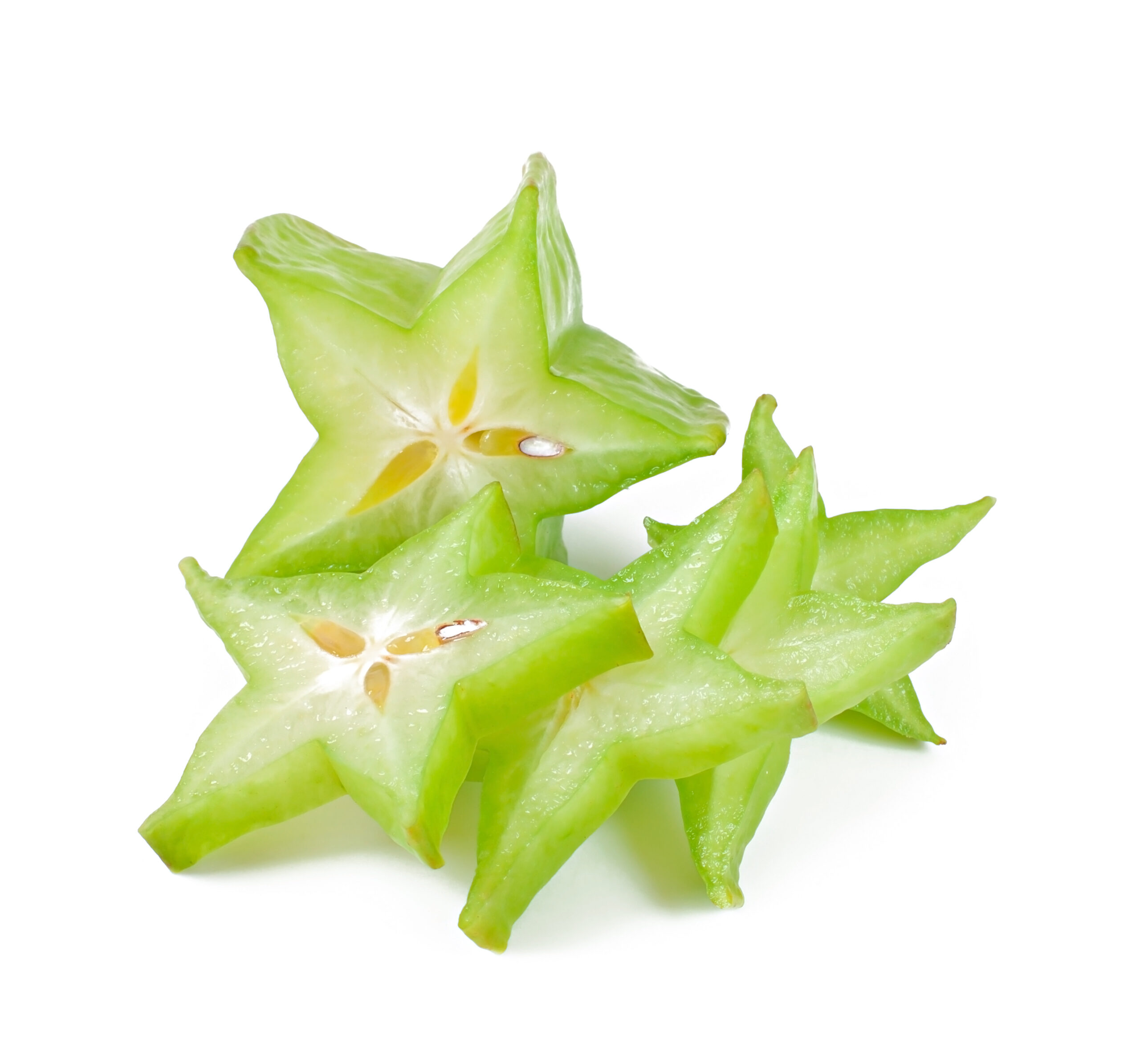
Star fruit, if you hear the term you may picture the stunning star shape that it takes on when cut into slices. However, beyond its gorgeous virtual shape, this tropical fruit is a nutrition-packed powerhouse that can offer a number of health benefits. The scientific name for star fruit is Averrhoa carambola, and it’s been used for centuries in traditional medicine in Southeast Asia. In this guide, we tell you everything you need to know about this amazing fruit, including its nutritional profile and the risks associated with consuming it.
These posts are very useful for you to consume nutritional powerhouse in your diet- Pineapple benefits, Mangosteen fruit benefits, Rambutan fruit benefits, Avocado benefits.
Table of Contents
What Is Star Fruit?
Star fruit, also known as carambola, is a tropical fruit yielding on the Averrhoa carambola tree, which is thought to be native to tropical South Asian forests. Averrhoa carambola will grow to heights of 20 feet to 30 feet and develops abundant green leaves along with attractive flowers, ranging in color from pink to lavender, that produce the fascinating fruit.
Star fruit is widely known for its unique shape, generally with five long ribbed protrusions that form a star when the fruit is cut cross-sectionally. Because of its distinctive shape, it has gained immense popularity as a garnish in a variety of cultures across the world, but as we will see, star fruit is more than just an ornamental garnish but we should need to know star fruit benefits.
Star Fruit Plant
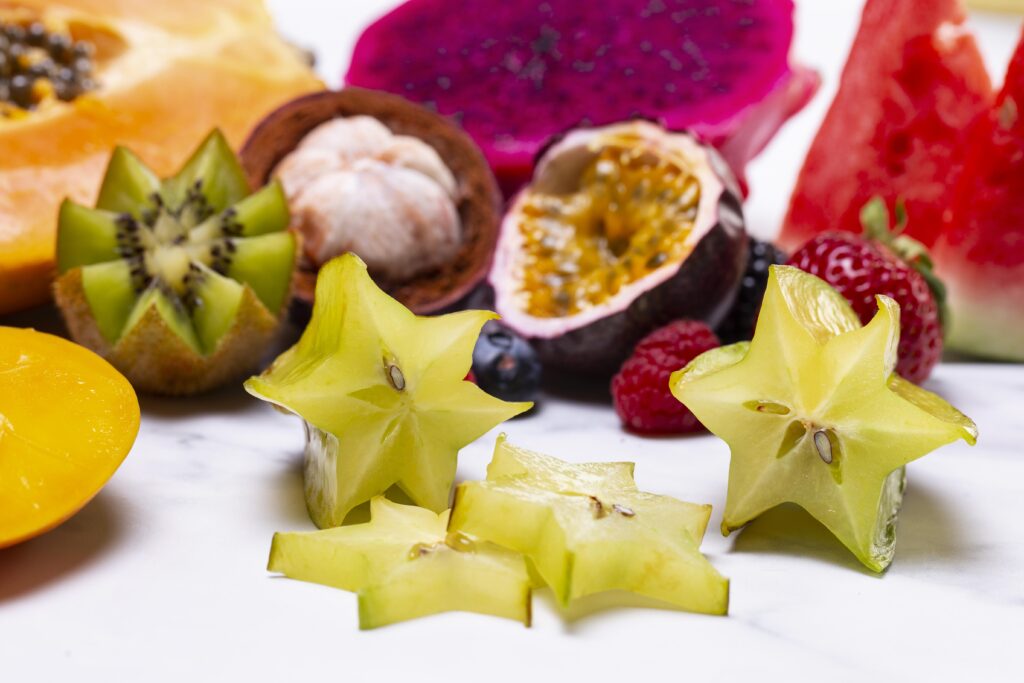
The carambola is an evergreen plant that grows in tropical and subtropical climates. It is originally from Southeast Asia but can also be grown in South Florida, Hawaii, parts of Latin America and the Caribbean, and other warm regions of the world. The trees should be grown in full sun with a good supply of humidity and well-drained soil.
Star fruit trees can produce several crops every year and under perfect growing conditions even one tree can produce as much as 90 to 180 kilograms (200 to 400 pounds) of fruit in a year. The trees usually start to produce fruit when they are four to five years old and with proper care a tree can produce star-shaped fruit for many years.
Star Fruit Taste
If you’ve never tasted star fruit, you’re in for a delightful experience. The flavor profile varies depending on the variety and ripeness:
- Ripe sweet varieties offer a pleasantly sweet yet mildly tart flavor, often described as a combination of green grapes, pears, and citrus fruits. They’re crunchy, juicy, and refreshingly light.
- Unripe or sour varieties are more tart and firm, with a taste reminiscent of green apples. These are often used in cooking, pickling, or as a seasoning.
The sweet varieties are typically larger, while the sour ones tend to be smaller. The entire fruit is edible—including the slightly waxy skin—and has a crisp, juicy texture similar to grapes.
Star Fruit in India
In India, the fruit called star fruit is named “kamaranga” in Bengali and Assamese and “kamrakh” in Hindi. Star fruit has been used in traditional Ayurvedic medicine for a long time and is considered a cooling substance to the body.
Indians eat star fruit raw or prepared in some manner. Kamaranga is used in chutneys, pickles, and fresh relishes. Street vendors sell fresh slices of star fruit with red chili powder and black salt (kala namak) to give a tasty and tangy snack for many, reminding them of their childhood.
Star Fruit Nutrition
Star fruit is impressively nutrient dense for its low calorie content. For reference, a medium star fruit weighs around 91 grams and contains the following amounts of nutrients:
| Nutrient | Amount | % Daily Value |
| Calories | 28 | |
| Carbohydrates | 6 grams | |
| Fiber | 3 grams | 10% |
| Protein | 1 gram | |
| Vitamin C | 31-52% | 31-52% |
| Copper | 0.1 mg | 11% |
| Pantothenic Acid (B5) | 0.4 mg | 8% |
| Potassium | 121 mg | 3% |
| Folate | 11 mcg | 3% |
Star fruit also contains many beneficial plant compounds and antioxidants, such as quercetin, gallic acid, epicatechin, and rutin, which are the basis for many of star fruit benefits for health, as described below.

10 Star Fruit Benefits
1. Rich in Antioxidants
Star fruit benefits are a powerful source of antioxidants, including vitamin C, gallic acid, and quercetin. Antioxidants protect the body from oxidative stress by neutralizing free radicals (unstable molecules that can damage cells and contribute to aging and chronic diseases).
2. Supports Immune Function
Just one medium fruit provides 31-52% of your daily vitamin C requirements, making star fruit benefits significant immune-supporting fruit. It is known that vitamin C increases the production of white blood cells, the body’s favorite defense system against infection. Adequate intake of vitamin C may help reduce the duration and severity of respiratory infections, such as the common cold.
3. Promotes Heart Health
Star fruit benefits contains potassium, which reduces blood pressure because potassium helps counteract the effects of sodium. Although star fruit extract may reduce cholesterol and is shown in some animal studies to do so, additional research is needed to evaluate this in human studies.
4. Promotes Digestion
The fiber in one medium star fruit benefits digestive health in a number of ways. First, fiber aids digestion by bulking up the stool, which may lead to reduced constipation and increased regularity. Second, fiber promotes a healthy gut microbiome and star fruit benefits help to manage conditions such as diverticulitis or hemorrhoids.
5. May Have Anti-Cancer Properties
Early research, predominantly in tube or animal studies, has shown encouraging outcomes related to any possible anti-cancer effects from star fruit benefits consumption. Certain compounds within the fruit, such as quercetin, have shown to successfully hinder the progression of cancer cells based on laboratory based research. Further study is needed to determine if those findings will transfer to human models.
6. Supports Weight Management
With only 28 calories per medium fruit and an abundance of fiber, star fruit benefits are a great option if you are looking to manage your weight. The fiber content may increase satiety and offer a lower calorie intake or an alternative to higher calorie full-service options and be a good source of nutrients too!
7. Possible Anti-Inflammatory Benefits
Studies in animals demonstrate that star fruit benefits might decrease inflammation. Chronic inflammation is a common feature of many health conditions, including heart disease and autoimmune disease. Star fruit has anti-inflammatory properties due to the antioxidants it provides, particularly quercetin.
8. May Help Regulate Blood Sugar
While more research is required, a handful of studies have demonstrated that star fruit benefits can moderate blood sugar due to coatings such as 2-dodecyl-6-methoxycyclohexa-2,5-diene-1,4-dione (DMDD). In addition high in fiber, star fruit helps slow down sugar absorption to reduce spikes in blood sugar.
9. Good for Skin Health
Star fruit provides a combination of antioxidants and vitamin C that benefit skin health by reducing oxidative damage that causes premature aging. Star fruit benefits has been used in traditional medicine for the management of inflammatory skin conditions, such as eczema and fungal infections.
10. Natural Detoxification
In traditional medicine systems, star fruit benefits are referred to as a ‘cooling fruit’ that helps to cleanse the body and relieve chronic thirst. Star fruit is primarily water (about 91%) and is hydrating while detoxifying.
How To Eat Star Fruit
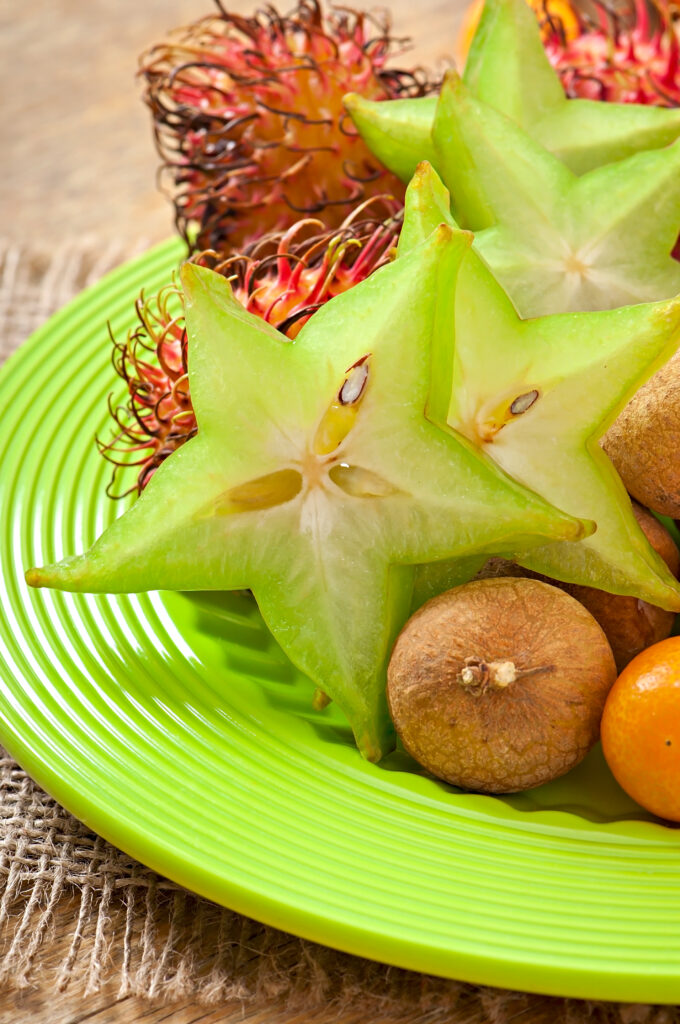
Enjoying star fruit is simple, as the entire fruit is edible—no peeling required! Here’s how to prepare it:
- Selecting: Choose firm, primarily yellow fruit with only hints of green for the sweetest flavor. Avoid those with extensive brown spots, which indicate over-ripeness.
- Washing: Rinse thoroughly under cool running water to remove any debris.
- Preparing: Trim off the ends, then slice crosswise to create beautiful star shapes. Remove any seeds before eating, though the seeds are edible.
Ways to Enjoy Star Fruit:
- Fresh: Enjoy raw slices as a snack or add to fruit salads
- Beverages: Blend into smoothies or juice for refreshing drinks
- Culinary uses: Add to stir-fries, curries, or seafood dishes—it pairs wonderfully with shrimp
- Desserts: Use in pies, puddings, or as a decorative garnish
- Preserves: Make into jams, chutneys, or pickles for longer storage
For a traditional Indian treat, sprinkle slices with red chili powder and black salt for a sweet, tangy, and spicy snack.
Is Star Fruit Dangerous To Eat?
For most healthy individuals, star fruit is safe and beneficial. However, there are important exceptions:
Kidney Disease Concerns
People with kidney problems, kidney stones, or those undergoing dialysis should avoid star fruit completely. The fruit contains two problematic compounds for those with compromised kidney function:
- Oxalic acid: Can accumulate and cause kidney damage or worsen existing kidney stones
- Caramboxin: A neurotoxin that healthy kidneys filter out effectively, but can build up to dangerous levels when kidney function is impaired
Consumption by individuals with kidney disease can lead to hiccups, vomiting, mental confusion, seizures, and in severe cases, death. The neurotoxic effects can occur rapidly, sometimes within hours of consumption.
Medication Interactions
Like grapefruit, star fruit can also interact with some prescription medications by inhibiting cytochrome P450 enzymes, which are crucial for the metabolism of these medications. This interaction might elevate the dose of these medications in your body to potentially dangerous levels. If you are taking prescription drugs, particularly bosutinib, panobinostat, or venetoclax, please consult your doctor before consuming star fruit.
Other Considerations
- Digestive sensitivity: The natural acidity may cause discomfort for those with sensitive stomachs or acid reflux, especially when consumed on an empty stomach
- Pregnancy and breastfeeding: Due to limited safety research, consult your healthcare provider before consuming star fruit during pregnancy or while nursing
- Allergies: Though rare, some individuals may be allergic to star fruit and should avoid it
Conclusion
Star fruit is not just a beautiful fruit that captivates the eye, it is also a nutritional giant that boasts a range of star fruit benefits for health that all support immune health and with some evidence for potential anti-inflammatory benefits. It is low in calories but high in nutrients, making it a great dietary addition for many people.
However, it is important to acknowledge that there are significant consequences for people with kidney problems and possibly for those who take medication. As with any change to your diet, specificity is key, and people with health problems should speak with their health care provider about including star fruit in their diet.
Let this tropical star shine on your plate so you and your palate can experience its flavor and health benefits. Your taste buds will appreciate it and your body will also.
Disclaimer: The information provided on this website is for general educational and awareness purposes only. It should not be considered a substitute for professional medical advice, diagnosis, or treatment. Always consult your doctor or a qualified healthcare professional before making any changes to your diet, medication, or health routine. The author and website are not responsible for any outcomes resulting for the use of this information.
FAQs
Is star fruit good for you?
Yes, star fruit is highly nutritious for most people. It’s low in calories yet rich in dietary fiber and Vitamin C, which supports immune function. It also contains powerful antioxidants and plant compounds that have been linked to benefits like reduced cholesterol and inflammation in some studies.
What does star fruit taste like?
A ripe star fruit has a sweet yet slightly tart flavor, often compared to a mix of green grapes, pears, and citrus fruits like oranges. It’s juicy with a crisp, crunchy texture. Smaller fruits can be more tart, while larger ones are typically sweeter.
How do you know if a star fruit is ripe?
Choose a star fruit that is primarily yellow with only slight hints of green. The skin should be firm and glossy. Avoid fruits with extensive brown spots, which indicate over-ripeness. A ripe star fruit will also have a light, floral fragrance.
Who should not eat star fruit?
Individuals with kidney problems, kidney stones, or those on dialysis must avoid star fruit completely. The fruit contains a natural neurotoxin (caramboxin) and oxalic acid, which healthy kidneys can filter out, but can cause severe toxicity, neurological issues, or even be fatal for those with kidney disease. Those taking prescription drugs should also consult a doctor, as star fruit can interact with some medications.
What are some easy ways to eat star fruit?
The entire fruit is edible. Simply rinse it under water, slice it crosswise to create star-shaped pieces, and remove the seeds. You can:
Eat it fresh as a snack or in fruit salads.
Use the star-shaped slices as a beautiful garnish for drinks and dishes.
Blend it into smoothies or juices.
Cook it in stir-fries, curries, or with seafood.
18 thoughts on “Star Fruit Benefits”