
Table of Contents
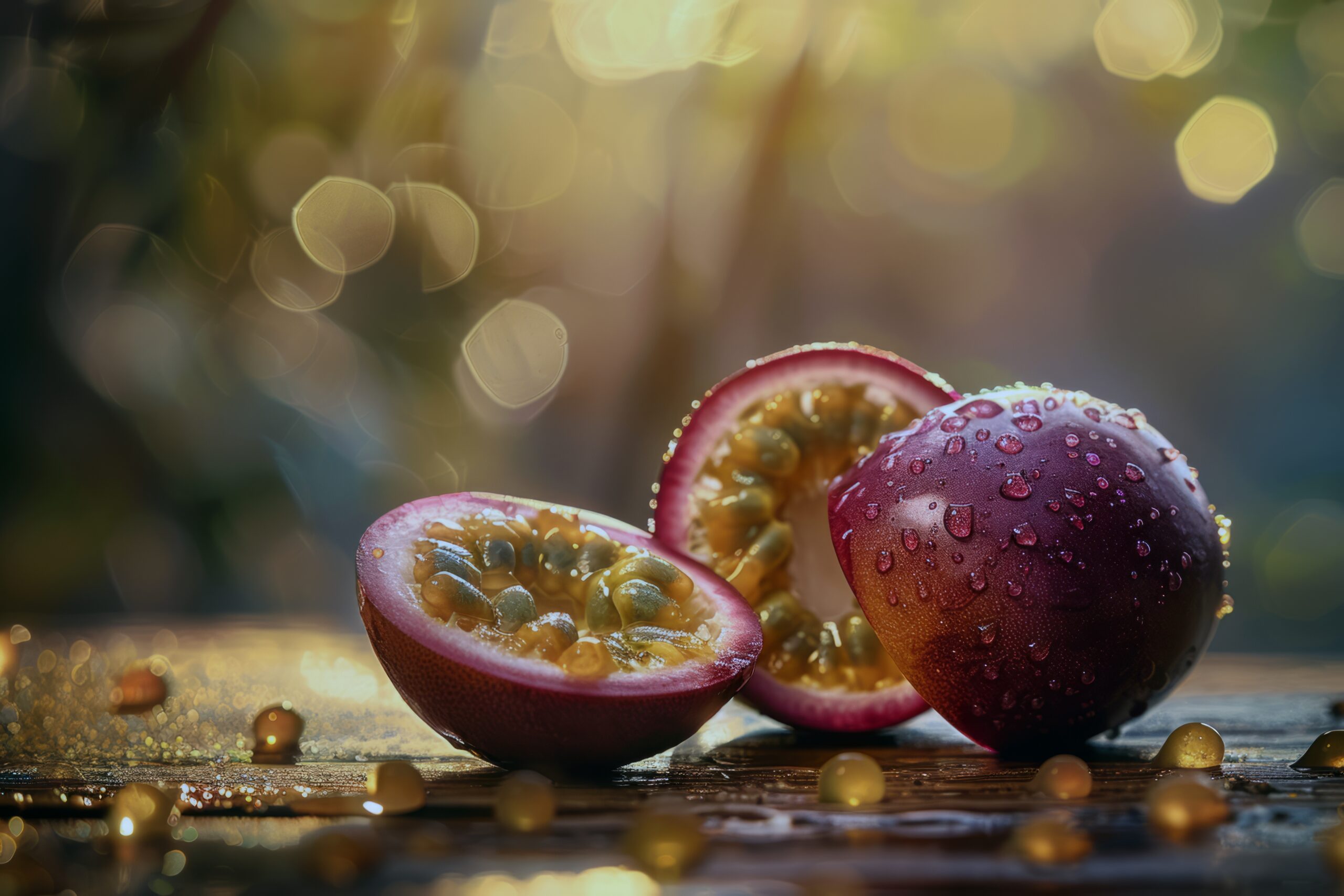
You may have spotted it before-a small, wrinkly orb of purple or yellow that looks like it has traveled a bit. But once you open it up, it delivers a burst of colorful jelly-like pulp, offering a tropical aroma that is difficult to resist. We are talking about passion fruit, which is just as rich in its history as it is in health benefits.
Sadly, the incredibly nutrition-dense fruit is often use as an ostentatious garnish or added to juice for a soft flavor. It is time to put this superfruit in your dietary repertoire. In this deep dive, we will cover everything from its name to taste to scientifically backed justification for making it part of your diet. Get a set to fall in love with a fruit that has the flavor and nutritional density to also nourish body and mind.
Please read these useful posts in your diet journey- Ice apple, Star fruit, Pineapple, Mangosteen, Rambutan, Avocado, Lychee…and more in health-icon.com.
Passion Fruit
• History of the Name: Discuss how Spanish missionaries in the 16th century used the term “Passion” in reference to the symbols associated with Jesus’ crucifixion.
Before we can enjoy everything else that’s included in the course, let me correct a misinterpretation. The name passion fruit has nothing to do with the romantic connection. It was bestowed by Spanish Christian missionaries working in South America who saw in the extravagant flowers of this vine the symbols of the Passion of Christ.
To the missionaries, when they saw the flower, the ten petals represented the ten apostles who were faithful (Peter and Judas were excluded), the radial filaments represented the crown of thorns, the five stamens were the five wounds, and the three stigmas represented the three nails in the cross. This provided an opportunity to tell a story, as well as help with others’ relationships with Jesus, all while naming a beautiful plant that has retained the name for over centuries. This history adds a depth to every bite, while connecting us to a different time and place.
Passion Fruit Taste
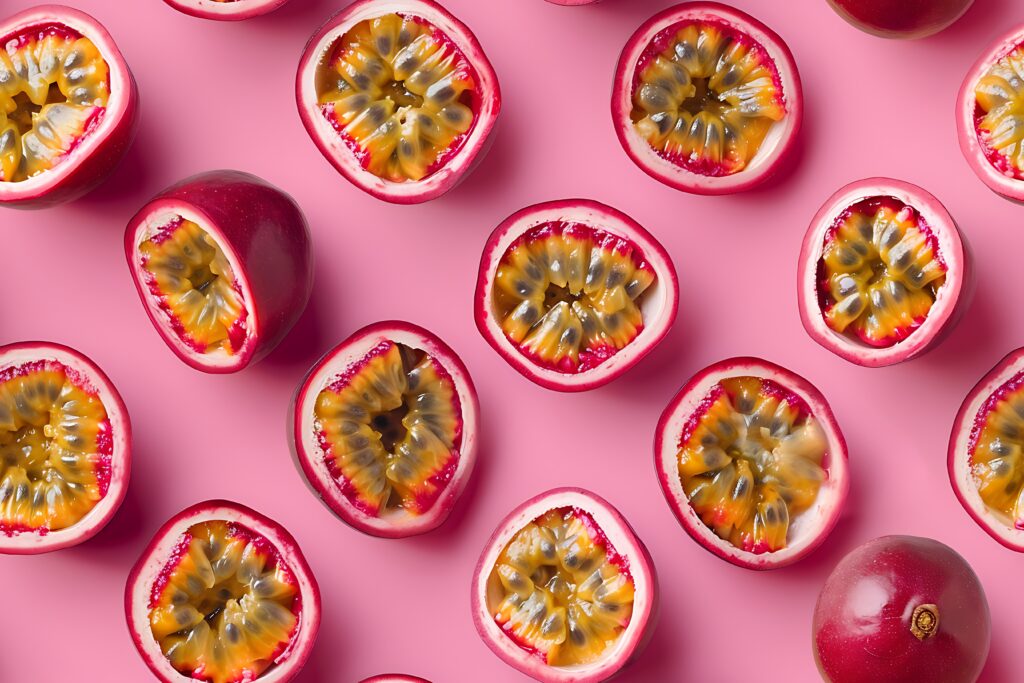
Describing the taste of a passion fruit is like to describing a color to someone who hasn’t seen that color. It’s a flavor that can’t be replicated. The flavor is a complicated, tropical harmony of flavors that is overwhelmingly sweet, yet the acidity from its brightness tangy’s your taste buds.
And then there is the texture of the pulp, what a delight; it’s a gelatinous, seedy pudding that bursts with juice in your mouth as you eat it. Picture a cross between a very sweet peach, tart lemon, and aromatic guava, all packed in a single, small package. This extraordinary balance of sweet and sour is also what makes it so useful in the kitchen and lends itself just as easily to a sweet dish as it does to a zesty salad dressing or a savory marinade.
Passion Fruit Nutrition
Don’t be misguided by its small size: the passion fruit is packed with a wide range of vitamins, minerals, and plant compounds that provide nutrition in every serving. Here is a rundown of its contents:
• High in antioxidants: With vitamin C, beta carotene, and polyphenols such as piceatannol, these fruits combat oxidative stress in your body.
• High in fiber: The pulp and edible seeds of the passion fruit are excellent sources of dietary fiber, which is vital to digestive health.
• Good source of vitamin A: Vitamin A is essential for maintaining healthy skin, eyes, and immune function.
• Good source of iron: Iron is an important mineral for oxygen transport in the blood and for preventing anemia.
• High in potassium and magnesium: Both minerals are essential to heart health, nerve health, and maintaining healthy blood pressure.
• Low in calories: Each fruit is about 17 calories and offers nutrients high in volume with each bite, making it a good fit for a weight-loss plan.
This powerful nutritional value is behind all the health benefits this little fruit can provide.
10 Benefits of Passion Fruit
Now, let’s get to the real meat of the matter. Why should you care enough to consciously add passion fruit to your diet? Ten reasons.
1. More Immune System Boosting Power
You get a large chunk of your daily Vitamin C needs from one serving. Vitamin C is a well-established immune booster because it helps generate white blood cells and boosts their performance. White blood cells are your body’s first line of defense against infections and illnesses. Think of it as a delicious, natural, immune shield against the common cold and flu.
2. Glowing Skin and Anti-Aging
Vitamin C, Vitamin A, and antioxidants such as piceatannol are a mixture of skin superfoods. Vitamin C is necessary for collagen production and maintaining youthful skin. Antioxidants protect the skin from free radicals generated by the sun or pollutants. These free radicals create premature aging in the form of wrinkles and fine lines.
3. Supports Digestive Health
Passion fruit is an excellent source of soluble fiber. This fiber helps to bulk up your stool, ensuring you have regular bowel movements while also preventing constipation. Additionally, this fiber is classified as a prebiotic, which aids in feeding the “good” bacteria in your gut. Having a healthy gut microbiome is related to enhanced digestion, increased immune function, and potentially improved mental health.
4. Promotes Heart Health
The potassium from passion fruit promotes relaxation of blood vessels, improves blood flow, and decreases strain on the heart, which may help lower blood pressure. Additionally, the high fiber content helps scrape “bad” LDL cholesterol from the arteries. Finally, the antioxidant flavonoids have been associated with a reduced risk of heart disease.
5. Helps to Regulate Blood Sugar Levels
Even though passion fruit is sweet, it is low on the glycemic index (GI) and will not cause a spike in blood sugar levels after eating it. The high fiber content slows down the sugar absorption process in the bloodstream, which makes it an excellent fruit for diabetic individuals and those looking to regulate blood sugar levels.
6. Improves Eye Health
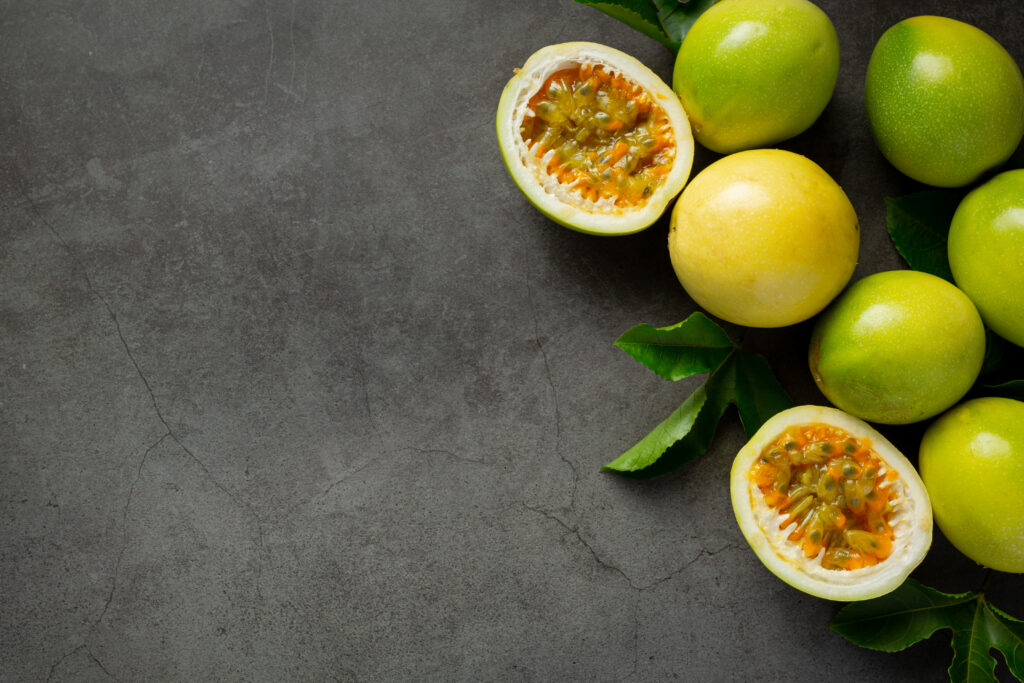
The yellow pulp of passion fruit is a prime indicator of its content of Vitamin A and beta-carotene, both of which are significant to the preservation of good vision. These nutrients help to protect the cornea, avoid night blindness, and may even reduce the risk of age-related macular degeneration.
7. A Natural Iron Source
Iron deficiency is among the most prevalent nutritional deficiencies worldwide, and passion fruit provides another, plant-based means of getting iron into your diet. Additionally, consuming passion fruit along with some source of Vitamin C (which passion fruit happens to contain) greatly increases the absorption of iron in the body, helping you fight fatigue and avoid anemia.
8. Contains Anti-Inflammatory Properties
Many of modern sicknesses arise from chronic inflammation. Passion fruit is full of antioxidants that contain anti-inflammatory properties. If you eat them regularly, you can expect to help soothe systemic inflammation which may prevent heart disease, arthritis and certain cancers.
9. Promotes Bone Health
Although they may not be as well-known as dairy products, passion fruit does contain important minerals for bone health, including magnesium, phosphorus, and a small amount of calcium. Magnesium is particularly important for the formation of bones and the regulation of calcium in the body.
10. Friendly for Relaxation and Sleep
Another less frequently mentioned benefit of passion fruit is that it contains medicinal alkaloids like harman, which has been studied for its calming effects. While a single fruit won’t send you off to sleep, drinking passion fruit juice or tea in the evening can help calm the nervous system, reduce anxiety, and promote a better night’s sleep.
Passion Fruit Juice
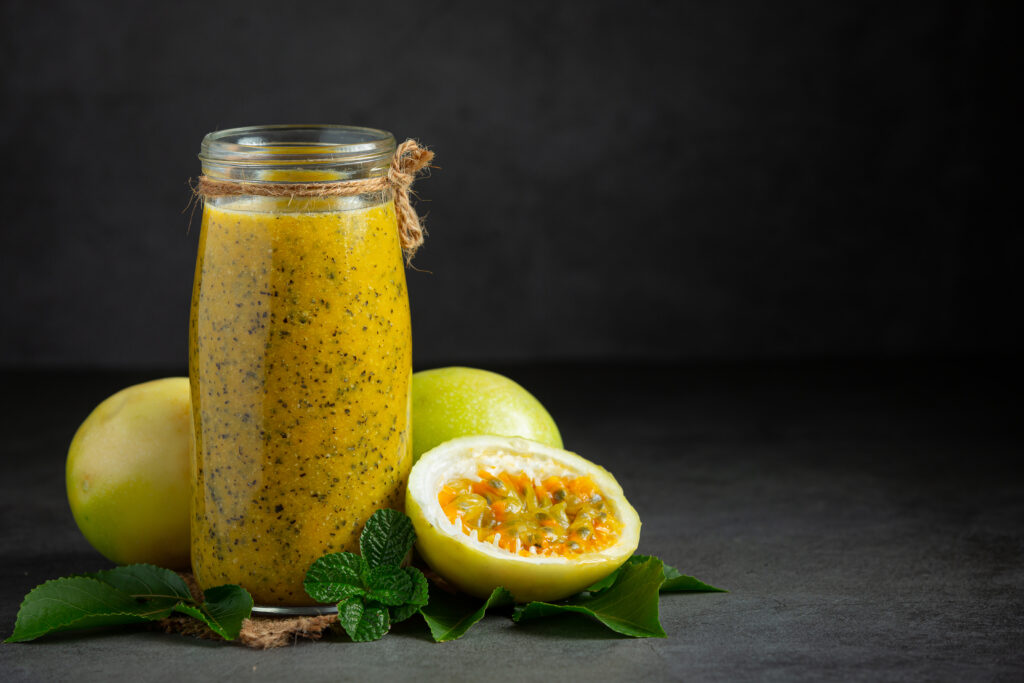
While consuming fruit directly from the shell is a heavenly experience in itself, many people’s first encounter with this tropical delight is through passion fruit juice. And this certainly is not your typical watered-down juice. Passion fruit juice is a rich, concentrated potion of throaty nectar; thick, pulpy, and packed with flavor.
When poured into a small glass, it is like a burst of liquid sunshine. Enjoying it on its own is a tremendous refreshment, but it is also an exquisite base for cocktails, mocktails, smoothies, and vinaigrettes. When purchasing this fruit juice, you’ll want to look for a brand that is 100% pure with no added sugars or artificial flavors if you want to drink it for it’s nutritional value. Better yet, create your own passion fruit juice, by simply scooping out the pulp from several fruit, placing it in a blender, briefly blending it to detach the juice from the seeds, and then straining it. It may be a little work for a whole lot of reward.
Passion Fruit Plant
The passion fruit vine is a vigorous, fast-growing vine called Passiflora edulis. It is a true vine, covering trellises and fences with its climbing tendrils, but the best part of the plant is the flower. It is truly an exotic flower – a flower so spectacular it looks like it belongs in a sci-fi movie. The flowers are complex, large, often fragrant, and because of those attributes, the vine has become a popular ornamental plant, even in places where the fruit is never harvested.
The vine grows best in tropical and subtropical climates and can be surprisingly productive, producing more than one crop per year under optimal conditions. Whether for the fruit, the flower, or both, the passion fruit vine is a great plant to grow, whether you grow edibles or garden ornamentals. It’s an exotic touch in any garden.
Passion Fruit Side Effects
Most people find that passion fruit is safe and a very healthful food. There are a couple of things to think about.
• The Skin – The hard outer rind of the purple passion fruit is not usually eaten raw because it can contain cyanogenic glycosides, which can be toxic in high amounts, but might be cooked or used in some preserves, in which case the heat or processing will likely destroy these compounds. Just eat the inner pulp and seeds.
• Latex Allergy – The passion fruit plant exudes a latex or latex-like substance. People who have a latex allergy, may potentially experience an allergy to the fruit, ranging from oral itching to worse symptoms.
• Fiber Overload – If you are not used to a high-fiber diet, eating a large amount of passion fruit all at once could cause some temporary digestive discomfort, such as bloating or cramps. It is of course best to start small.
As always consult with your doctor if you have known allergies or health conditions before making a significant dietary change.
Conclusion
With its history and beautiful flower, remarkable flavor, and extensive list of health benefits, fruits of passion is a true jewel in the world of fruits. It stands to reason that the best things come in small, unassuming shapes.
So the next time you find yourself in a grocery store or farmer’s market, don’t let those wrinkled purple balls pass you by. Pick some up, scoop out the golden pulp, and let your body thank you for all the health benefits, and the taste buds dance for joy. Your first step into discovering the benefits of passion fruit will start with one flavorful scoop.
Disclaimer: The information provided on this website is for general educational and awareness purposes only. It should not be considered a substitute for professional medical advice, diagnosis, or treatment. Always consult your doctor or a qualified healthcare professional before making any changes to your diet, medication, or health routine. The author and website are not responsible for any outcomes resulting for the use of this information.
Frequently Asked Questions
What are the side effects of passion fruit?
While passion fruit is safe for most, the inedible rind contains cyanogenic glycosides and can be toxic if consumed in large quantities. Individuals with latex allergies may also experience reactions.
What is the nutritional value of passion fruit?
Passion fruit is rich in Vitamin C and dietary fiber. It also provides a good amount of Vitamin A, potassium, and iron, all while being low in calories.
Can you eat passion fruit raw and how should it be stored?
Yes, passion fruit is often eaten raw. It’s at its sweetest when the skin is wrinkled. Ripe fruit should be stored in the refrigerator, where it will keep for about one to two weeks.
What does passion fruit taste like and how can I use it?
The flavor is a unique, tropical blend of sweet and tart. The pulp can be scooped onto yogurt or ice cream, used in salad dressings, blended into smoothies, or made into juice, sauces, and desserts.
9 thoughts on “Benefits of Passion Fruit”