
Table of Contents
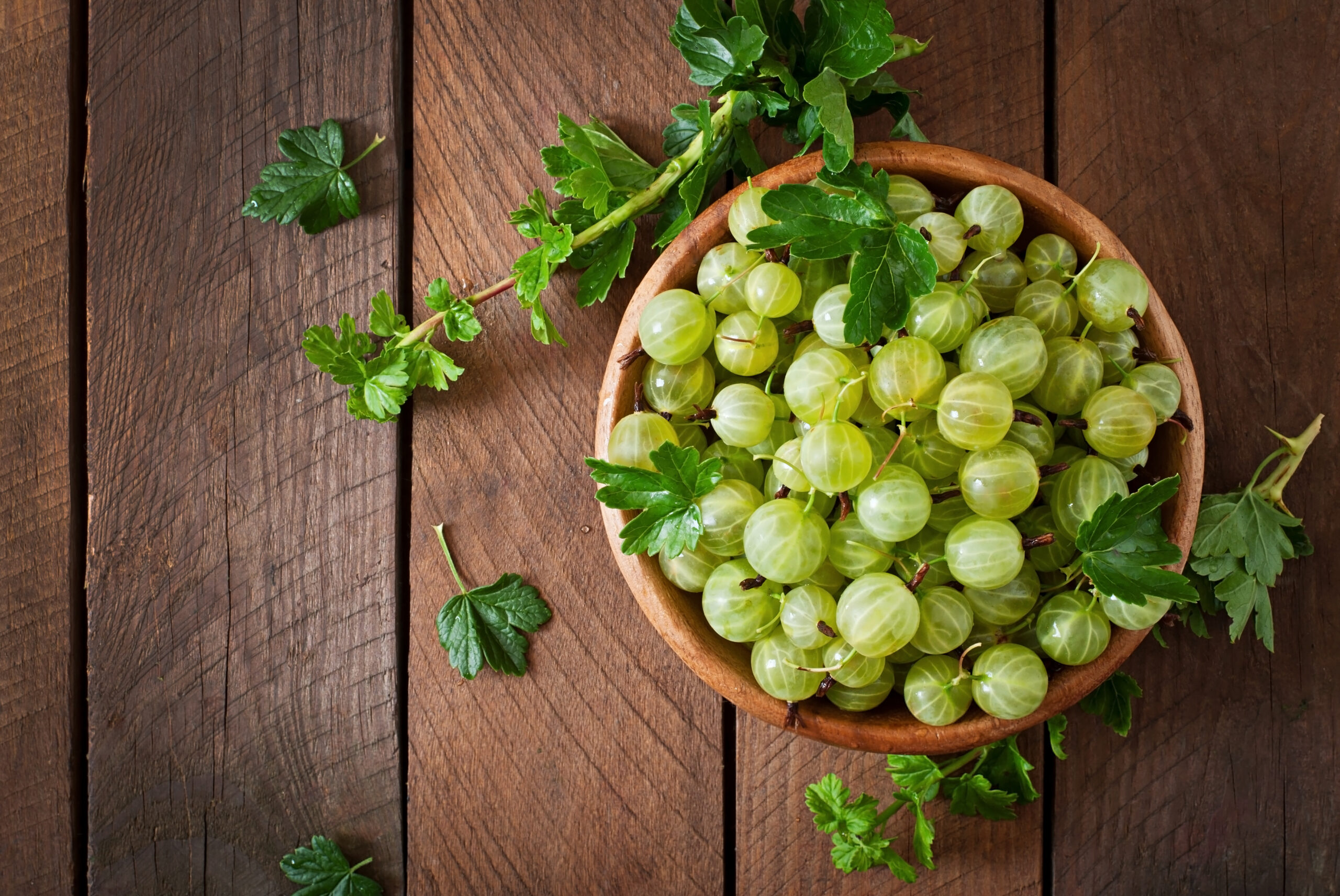
The centuries, Indian gooseberry, amla, has been used as a potent medicinal fruit in Ayurvedic medicine for hundreds of years. This little green superfruit has shocking nutritional value that researchers are just beginning to know the extent of today with their advancements in understanding nutrition. If you want to improve your immunity, skin health, or a nutritious yummy food, amla benefits has a unique set of health benefits that most foods do not share.
In this ultimate guide, you will learn everything you need to know about this remarkable fruit, including its eight health benefits, unique nutrition, and ways to easily incorporate amla into your daily routine and precautions to be aware of.
Amla Benefits
1. Immunity Boosting Powerhouse
Amla is recognized as one of the richest sources of vitamin C in nature. A serving size of 100 grams contains the same amount of vitamin C as found in 20 oranges, and it exceeds two times the daily recommended intake for this nutrient. Vitamin C helps immune cells work better and acts as a powerful antioxidant that protects cells from oxidative stress. The regular inclusion of it in the diet can support the body’s response to infection and could lower the severity and duration of common illness such as a cold.
2. Digestive Health Support
Amla berries contain a high fiber content, which helps to establish normal bowel activity and may relieve symptoms of dysfunctional gastrointestinal disorders, such as irritable bowel syndrome (IBS). It also supports the release of digestive fluids leading to improved digestion of foods and optimum absorption of nutrients. It’s anti-inflammatory properties may calm the digestive tract, and the research shows potential effectiveness against gastrointestinal issues, such as indigestion and bloating.
3. Heart Health Protector
Several studies have suggested that amla can improve cardiovascular health. In a 2019 publication, individuals consuming amla extract for 12 weeks experience decreases in triglycerides and LDL (bad) cholesterol levels, while one group experienced a 39% decrease in the Atherogenic Index of Plasma, a well-known risk marker for heart disease. The potassium amount…
4. Blood Sugar Regulator
The Gooseberry will provide remarkable benefits to those living with diabetes or prediabetes. The soluble fiber in the amla dissolves and moves through the body quickly, decreasing the amount of sugar absorbed into the bloodstream. The chromium in the gooseberry helps increase the isolated population of cells that release insulin into the bloodstream, ultimately decreasing blood sugar in people with diabetes. Studies conducted on humans demonstrate its anti-hyperglycemic effects as a valuable adjunct to blood sugar management.
5. Better Eye Health
Amla berries are high in vitamin A and carotene, both of which are important for healthy eyesight. These nutrients defend against the potential of decreases in vision and lower the risk of age-related macular degeneration/ night blindness. The vitamin C in it also protects against eye disease by fighting bacteria.
6. Hair Growth and Strength
The use of amla has long been chronicled as a promoter of healthy hair growth and reduced hair loss. A study demonstrated that topical amla serum yielded considerable improvement in hair density and growth. It’s high concentrations of antioxidants, carotene, and iron prevent free radical damage on hair follicles and the stabilization of natural hair color and shine.
7. Skin Health and Anti-Aging
The antioxidants present in amla aid the body in producing fewer free radicals, which are linked to signs of aging such as wrinkles and age spots. The high vitamin C content encourages collagen production, thereby enhancing skin elasticity and reducing the appearance of fine lines. Some practitioners recommend using amla powder in face masks to help with age spots and have a more youthful appearance.
8. Liver and Kidney Support
Promising animal studies suggest that amla can aid in liver function and protect against non-alcoholic fatty liver disease. Animal studies also suggest that it extract can protect against kidney damage and preserve kidney function due to its powerful antioxidant properties. More studies need to be done on humans, but it appears that amla can benefit these organs.
Read these useful posts for your diet journey- Plum fruit, Chiku, Kiwi, Papaya, Custard apple, Pineapple, Avocado…and more in health-icon.com.
Amla Nutrition Fact
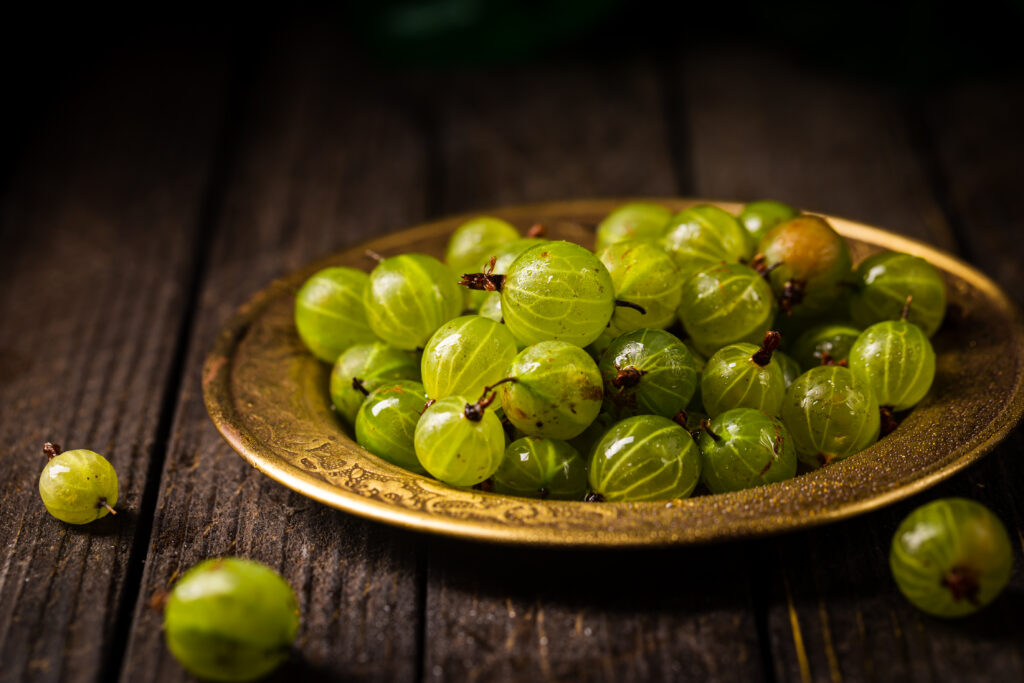
The outstanding health benefits of amla are due to its remarkable nutritional value. This small fruit contains an amazing amount of essential vitamins, minerals, and phytocompounds.
To put its nutritional density into context, here is a resume of what you would get with a 100 gram serving of gooseberry berries:
| Nutrient | Amount in 100g Amla | Key Benefits |
| Calories | 36 | Low-calorie nutrient source |
| Vitamin C | 300+ mg | 2x daily recommended value; immunity & collagen |
| Carbohydrates | 8 grams | Sustainable energy |
| Fiber | 3 grams | Digestive health & blood sugar control |
| Protein | <1 gram | Muscle repair & maintenance |
| Fat | <1 gram | Heart health |
| Vitamin A | Notable amounts | Eye health & vision protection |
| Polyphenols | Notable amounts | Antioxidant & anti-inflammatory effects |
In addition to the nutrients listed, amla berries contain considerable amounts of flavonoids, alkaloids, and polyphenols that help to confer its health benefits. These are beneficial compounds acting together to create even more protective antioxidant capacity. Some studies suggest the combination of plant-based phytochemicals in it may confer more protective properties than isolated nutrients alone.
The antibacterial and anti-inflammatory properties of it further enhance its nutritional profile, creating a truly multi-system functional food that supports health.
Amla Juice
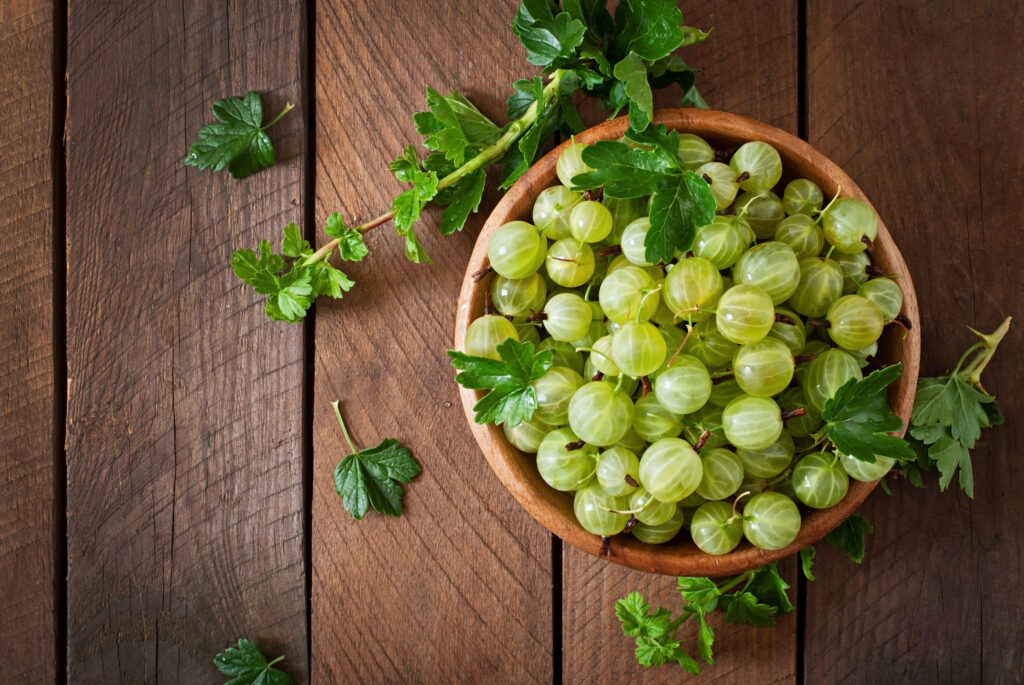
Full of a shocking amount of Vitamin C and antioxidants, amla juice provides a simple way to support and enhance your immunity, skin, and body’s overall systems. Whether you are new to exploring traditional remedies or are a health enthusiast, this guide will help you understand everything there is to know about amla juice.
Essential sections will provide a look at its nutritional profile, plus considerations around how you might try to incorporate amla juice into your daily life.
The Unique Taste of Amla
If you have never tasted it before, you’ll find its flavor somewhat surprising. It is usually described as sour, bitter, and astringent, so it is fairly complex in flavor. You may need to get used to the souring effect with the initial kick present an underlying bitterness with a strong astringent flavor that leaves the mouth a bit dry as well.
Also, not every one loves it’s flavor, but if you try it in ways that dull the flavor, you may find that you enjoy it more than you thought. The sourness is typically compared to very tart green apples or underripe grapes but with a more complex character to its flavor and aroma. Even the bitter flavor is not as prominent as bitter melon of some dark greens when you eat raw bitter greens. The astringency is similar to what you would get if you had strong black tea or some varieties of red wine as well.
Luckily, there are a variety of ways to ameliorate the flavor of it if it is too strong for you when you eat it either by itself or with food. A few options include pairing it with sweeter fruit when you make smoothies or foods in salad. Mixing (macerating) your gooseberry with honey and then using it in food can offset the its potentially harsh taste with sucrose, glucose and/or fructose, and you can use it’s paste method for salads or curries or even chutneys which are very nutrient dense and help balance its flavor.
How to Eat Amla Daily
Fresh Amla Preparation
When working with fresh gooseberry, look for fruits that are firm to the touch with a neon yellowish-green hue, typically available from December to April in Indian grocery stores. There’s no need to peel it before eating—simply wash it thoroughly and it’s ready to use.
- Raw with Salt: Sprinkle fresh gooseberry slices with a pinch of sea salt or Himalayan pink salt to enhance their natural sweetness and reduce sour notes.
- Juicing: Blend a few it fruits with water, then strain and drink the juice. You can add lemon juice or honey to improve the flavor.
- Dried: Slice it thinly, toss with lemon juice and salt, and dry in direct sunlight for several days until completely dehydrated for a nutritious snack.
- Cooked: Boil whole gooseberry with turmeric and salt to reduce sourness. Cutting small slits in the fruit before boiling helps it absorb the seasonings better.
- Pickled: Preserve it in a brine of vinegar, water, and salt for up to a year. Pickled amla makes a delicious accompaniment to rice, dal, and various Indian dishes.
Using Amla Powder
Amla powder offers a convenient alternative when fresh fruits aren’t available and can be easily incorporated into your daily routine:
- Morning Tonic: Stir 1-2 teaspoons of it’s powder into a glass of water and drink it on an empty stomach to boost digestion and nutrient absorption.
- With Honey: Mix equal parts it’s powder and raw honey to disguise the bitter taste while gaining additional health benefits from both ingredients.
- In Smoothies: Blend gooseberry powder into your favorite smoothie combinations. The other ingredients will help mask the flavor while you still get all the nutritional benefits.
- On Fruits: Sprinkle it’s powder on sweeter fruits like bananas, apples, or melons to add nutrients and interesting flavor notes.
Uses of Amla
While amla is primarily consumed for its health benefits, it has several other applications that make it remarkably versatile:
Traditional Medicine
In Ayurvedic practice, it has been used for thousands of years as a key component in various remedies. It’s considered a rasayana—a rejuvenating substance believed to promote longevity and overall health. Traditional uses include treating the common cold and fever, acting as a diuretic and laxative, serving as a liver tonic, and functioning as an anti-inflammatory agent. It’s also traditionally believed to prevent peptic ulcers and dyspepsia while serving as an effective hair tonic.
Hair and Skin Care
Amla is a common ingredient in hair tonics and oils because of its ability to improve hair color, promote growth, and strengthen roots. Many people use it oil regularly to reduce hair loss and prevent balding. For skin care, it’s powder can be mixed into face masks to help reduce age spots and wrinkles while promoting a more youthful complexion.
Culinary Applications
Beyond simple consumption, amla adds nutritional value and unique flavor to various dishes:
- Chutneys: Gooseberry chutney combines the fruit with ingredients like cilantro, green chiles, ginger, garlic, and sea salt, creating a flavorful condiment for steamed vegetables, meats, tofu, or traditional Indian dishes like idlis and dosas.
- Jams and Jellies: The natural pectin in it’s makes it well-suited for creating preserves with a nutritional boost.
- Curries and Dals: Adding it to cooked dishes provides a tangy element that complements spices commonly used in Indian cuisine.
Amla Side Effects
While amla offers numerous health benefits, it may not be suitable for everyone. Understanding potential side effects and interactions will help you consume amla safely:
Potential Side Effects
- Acidity and Stomach Irritation: It’s high vitamin C content and acidic nature can trigger acidity, heartburn, or abdominal pain in those with sensitive stomachs, especially when consumed raw or on an empty stomach.
- Constipation: Despite being a known remedy for constipation due to its fiber content, excessive consumption may harden stools. It’s contains high tannin levels that can have a drying effect on the intestines.
- Dehydration: It has diuretic properties that increase urine production, potentially leading to dehydration if fluid intake isn’t adequately maintained.
- Hypoglycemia: For those with already low blood sugar or taking diabetic medications, it may cause blood sugar to drop to dangerous levels, leading to dizziness, fatigue, confusion, or fainting.
- Scalp and Hair Issues: Topical application of it’s may cause scalp dryness, itchiness, or dandruff in some individuals due to its tannin content.
Who Should Avoid or Limit Amla Consumption
- People with Low Blood Pressure: Since amla can lower blood pressure, those with hypotension should consume it cautiously as it may cause their blood pressure to drop too low.
- Individuals Scheduled for Surgery: It may increase bleeding risk during and after surgical procedures. Stop taking it at least two weeks before any scheduled surgery.
- Those with Bleeding Disorders: It’s natural blood-thinning properties could increase bleeding or bruising risk in people with bleeding disorders.
- People with Kidney Disorders: It is high in oxalates, which can contribute to kidney stone formation, particularly in those predisposed to calcium oxalate stones.
- Pregnant and Breastfeeding Women: While generally safe in food amounts, pregnant and breastfeeding women should consult healthcare providers before using medicinal quantities of gooseberry.
Medication Interactions
Amla may interact with certain medications, including:
- Blood Thinners (warfarin, aspirin, clopidogrel): Amla’s blood-thinning properties could enhance these medications’ effects, increasing bleeding risk.
- Diabetes Medications: The combined blood sugar-lowering effects of gooseberry and diabetic drugs may cause hypoglycemia.
- Blood Pressure Medications: Amla may potentiate the effects of antihypertensive drugs, potentially causing blood pressure to drop too low.
If you have any underlying health conditions or are taking regular medication, consult a healthcare provider before making gooseberry a regular part of your health regimen.
Conclusion
Amla undoubtedly warrants its superfood status, with health benefits that are supported by time-tested wisdom and emerging science. While the extraordinarily high levels of vitamin C that can bolster immunity, digestion, heart health, blood sugar balance, and offer anti-aging benefits are certainly impressive, the little fruit may provide complete nutrition support better than most other natural food options on the planet.
It may take some getting used to the unique flavor of sour, bitter, and astringent amla, yet it can be well accommodated by eating it raw with salt or in juice, powder, or sport preparation. As with any potent natural treatment, care must be taken to not take too much amla, particularly for those with certain health conditions and those on medications who must mindful of their medication and the active ingredients found in amla amd their potential to exacerbate or counteract medicinal treatment.
Finding the correct amount of amla to take each day and incorporating this in your world, to utilize the ancient ancient pharma-copeia of Ayurveda to work for you and keep your body in the correct balance of nutrients to thrive in our modern world, may surely be accomplished with respectful diligence.
Amla can certainly be a little gem in your health solution to supporting your health from the inside out, either in its raw fruit, juice, or powered form for the sake of wellness; but its access seemingly just one step away.
Disclaimer: The information provided on this website is for general educational and awareness purposes only. It should not be considered a substitute for professional medical advice, diagnosis, or treatment. Always consult your doctor or a qualified healthcare professional before making any changes to your diet, medication, or health routine. The author and website are not responsible for any outcomes resulting for the use of this information.
FAQs
What is the best time to eat amla?
The best time to consume amla is in the morning on an empty stomach. Having it first thing in the morning, especially as a juice or powder mixed in warm water, can enhance nutrient absorption and boost digestion throughout the day.
Can I eat amla every day?
Yes, most people can safely eat amla in moderate amounts (like one fresh fruit or 1-2 teaspoons of powder) daily. However, if you have specific health conditions like low blood pressure, low blood sugar, or are on medication, it’s best to consult with a doctor first.
Does amla help in hair growth?
Yes, amla is renowned for promoting hair health. Its high vitamin C and antioxidant content can help strengthen hair follicles, reduce hair loss, and improve hair density. It is commonly used in hair oils and topical treatments.
What are the side effects of amla?
While generally safe, potential side effects include stomach acidity or heartburn (especially when consumed raw on an empty stomach), dehydration due to its diuretic nature, and a risk of hypoglycemia for those on diabetes medication. Topical use can sometimes cause a dry, itchy scalp.
Is amla good for skin?
Absolutely. The powerful antioxidants and Vitamin C in amla help fight free radicals that cause aging, boost collagen production for skin elasticity, and can help reduce the appearance of wrinkles and age spots when consumed regularly or used in face packs.
6 thoughts on “Amla Benefits (Gooseberry) for Health, Hair & Immunity”