
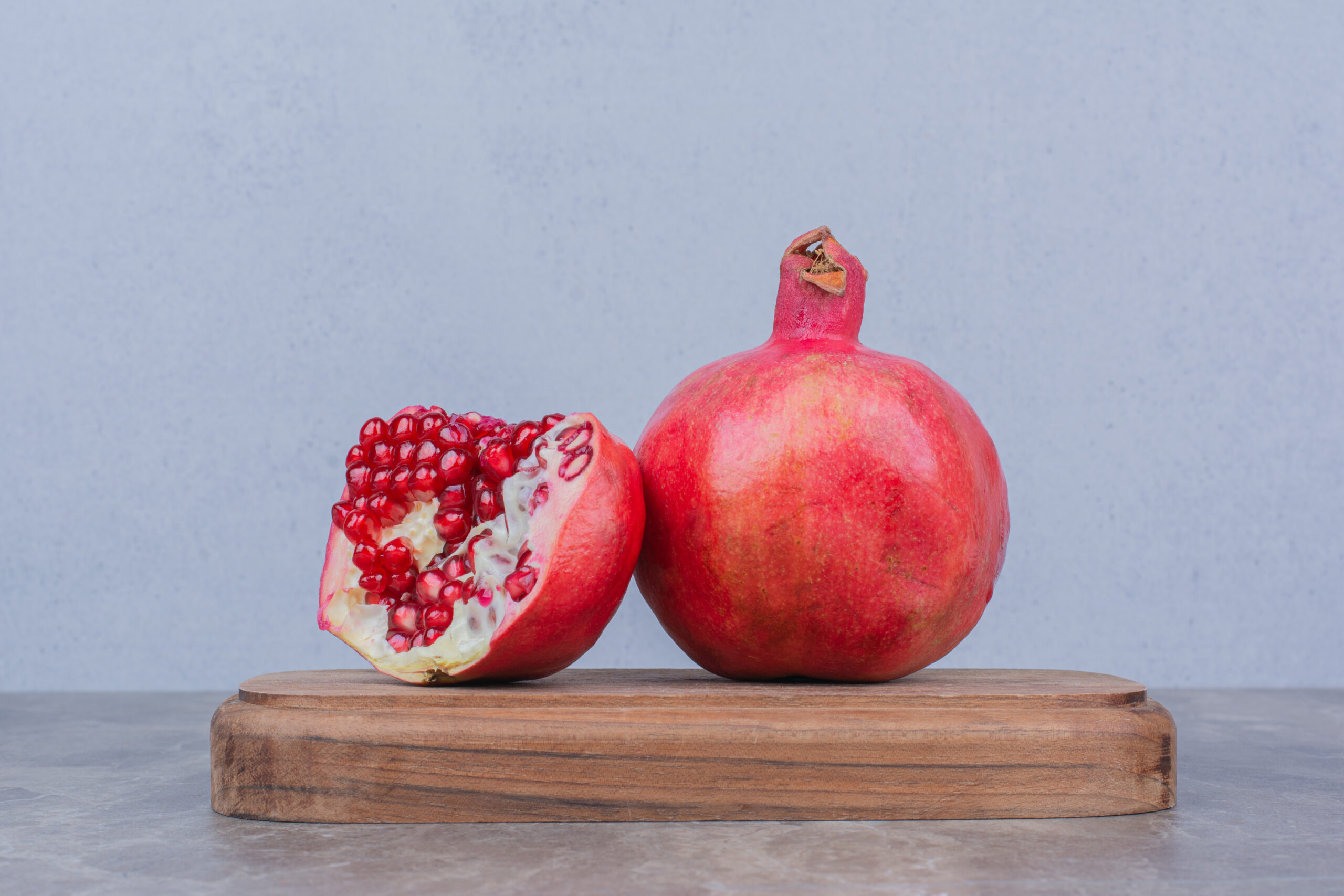
Anar fruit! This blog post will explore everything you need to know about this incredible fruit—from its nutritional profile and health benefits to how you can enjoy it and the potential side effects to keep in mind.
Table of Contents
Anar Fruit
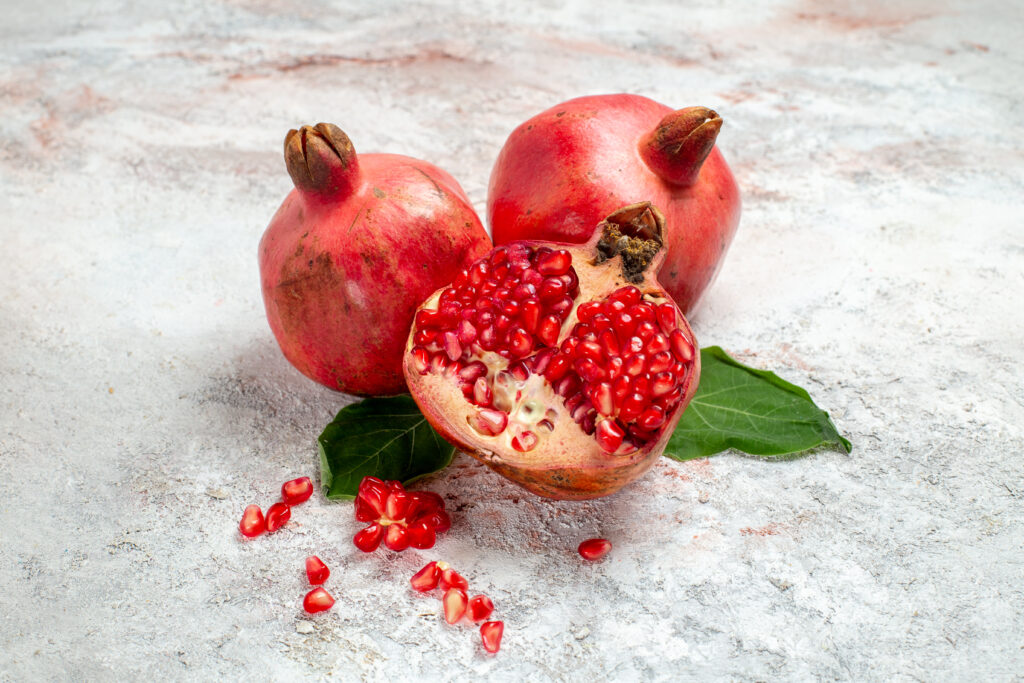
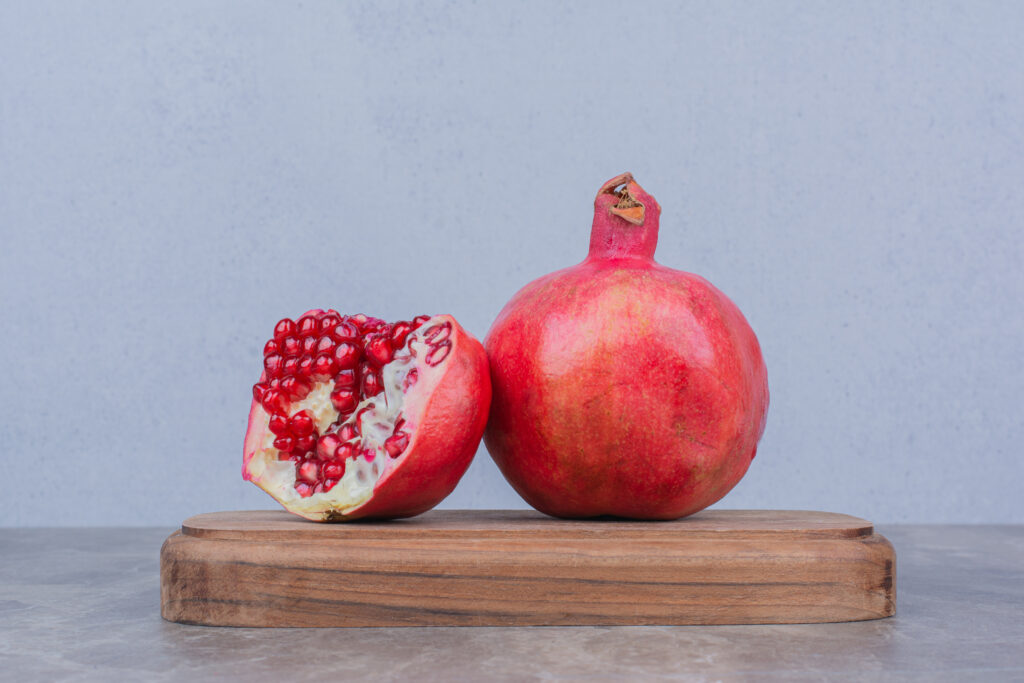
The Anar fruit, or Punica granatum, is a round, red fruit with a distinctive crown-like structure at one end. Below its tough leathery surface lies a beautiful white membrane network and hundreds of juicy edible seeds known as arils. The arils are the main reason for the fruit’s popularity, as they blend the perfect amount of sweet and tart flavors.
A common historical misconception is that the anar came from Africa, but anar are actually native to a region ranging from Iran to northern India and parts of Afghanistan. The pomegranate has been cultivated for thousands of years, and is well known across many cultures and religions, often as a symbol of life, death, fertility, and prosperity.
The pomegranate is botanically classified as a berry. It is cultivated on small shrubs or trees, which naturally grow in hot, dry climates. In the United States, the largest producers of pomegranates are California and Arizona. The fruit is usually in season in the Northern Hemisphere from September to February. However, due to their long shelf life, pomegranates are found in grocery stores long after the first of the year.
Anar in English
If you’re in an English-speaking country and looking for Anar, you’ll need to ask for a pomegranate (pronounced “paa•muh•gra•nuht”). The name pomegranate is of Latin origin from “pomum grantum,” which roughly means “the apple with many seeds”—a fitting name for a fruit that has the potential to have hundreds of juicy arils.
Nutritional Powerhouse of Anar
The bright shade of the anar arils provides evidence of their rich nutritional content. Anar are low in calories and low in fat but high in fiber, vitamins, and minerals, making them a unique nutrient dense food.
Here is the nutrient breakdown for a serving of fresh pomegranate arils (approximately half a cup):
| Nutrient | Amount per Serving (½ cup arils) |
| Calories | 72 |
| Protein | 2.35 g |
| Fat | 1.6 g |
| Carbohydrates | 26 g |
| Fiber | 5.5 g |
| Sugar | 20 g |
| Vitamin C | 32% of the Daily Value (DV) |
| Vitamin K | 46 µg |
| Folate | 27% of the DV |
| Potassium | 205 mg |
Anar are also very high in strong plant compounds. They contain up to three times the amount of powerful antioxidants than green tea and red wine. The most important antioxidants in pomegranates are punicalagins and ellagitannins, for the most part they provide the health benefits associated with pomegranates.
Health Benefits of Anar (Pomegranate)
In-depth research on the health benefits of pomegranates has now reached well beyond the heart, to skin health and beyond. Here are some important benefits.
1. High in Antioxidants
Antioxidants are important compounds that protect the cells of your body’s tissues from free radical damage. Anar are high in a special set of antioxidants called punicalagins and anthocyanins, which reduce oxidative stress and inflammation, both are mechanisms of chronic illness.
2. Heart Healthy
Another benefit of pomegranate juice that has been extensively studied is its impact on heart health. Antioxidants in anar juice help prevent the thickening of arterial walls, and also help prevent cholesterol and plaque build-up. Some studies even showed that anar juice per day, resulted in lower systolic blood pressure (the top number), as well as help with overall cholesterol levels (lower LDL (“bad”) cholesterol, higher HDL (“good”) cholesterol.)
3. Anti-Inflammatory
Chronic inflammation is often implicated in a variety of serious conditions. Compounds in pomegranates, especially punicalagins, have strong anti-inflammatory properties that may assist with inflammatory bowel disease (IBD) and rheumatoid arthritis. By opposing inflammation, pomegranates contribute to overall health, to possibly help reduce the risk of chronic diseases.
4. Possible Cancer Cell Fighter
More studies are needed, especially in humans, but the research is promising so far. In test-tube and animal studies, pomegranate extract has been found to inhibit the growth and the spread of cancer cells, The antioxidants and flavonoids in the fruit can protect cells from damaging effects of free radicals, possibly showing promise in fighting prostate, breast, lung, and colon cancers.
5. Good for Digestion and Urinary Health
Pomegranates can be very beneficial to gut health. The arils are a great source of fiber, which can help promote healthy digestion and prevent constipation. Pomegranates are also a prebiotic, meaning they provide nourishment to the “good” bacteria composing your gut microbiome, which is necessary for good health. For urinary health, studies have suggested that pomegranate extract may be able to reduce the risk of kidney stones.
6. Promotes Brain Health and Memory
The ellagitannins in pomegranates are thought to benefit brain health. These compounds may help protect against Alzheimer’s and Parkinson’s by preventing oxidative stress and inflammation in the brain. A systematic review published in 2023 revealed a daily intake of pomegranates improved cognitive function and reduced the risk of cognitive ability impairment.
7. Boosts Skin Health and Exercise Performance
Pomegranates, high in antioxidants, are beneficial to your skin. Studies suggest that consuming pomegranate juice improved aspects of skin resistance to UV light exposure, acting almost like an internal sunscreen that can protect against oxidation that leads to skin cancer or wrinkles, in addition to other antioxidants. Pomegranate polyphenols may also enhance exercise endurance and recovery times, making this fruit a great option for athletes or those who exercise regularly.
This is very useful posts you must read- Chiku, Kiwi, Papaya, Papaya juice, Custerd apple…and more in health-icon.com.
Anar Juice
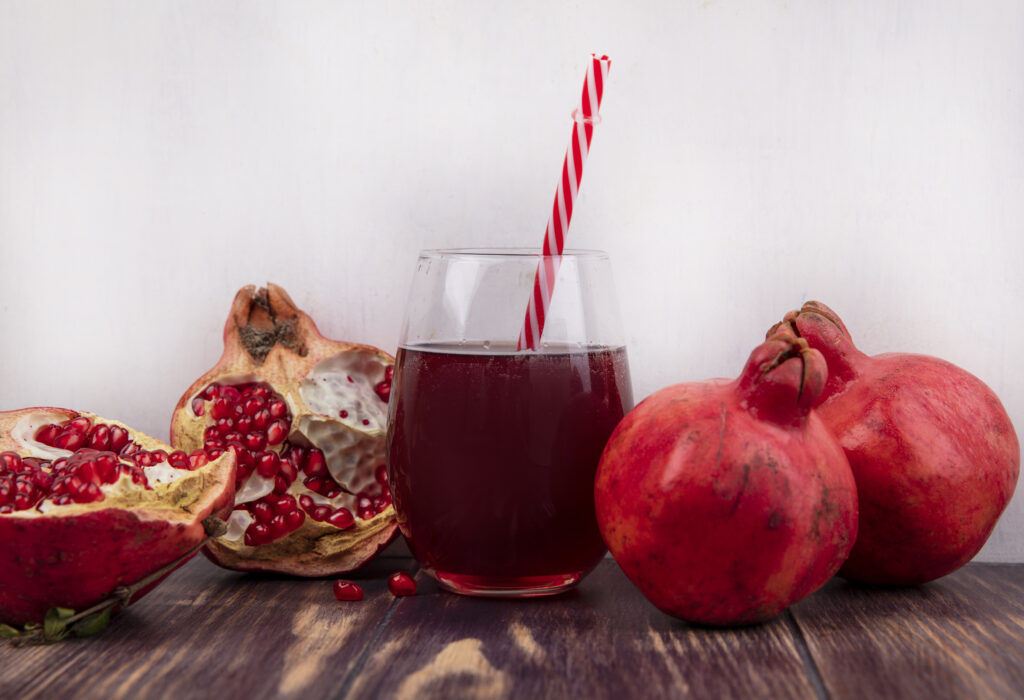
It’s easy to make your own fresh pomegranate juice at home and reap the benefits of pomegranates without added sugars or preservatives that other store-bought juices have.
Ingredients:
- 2-3 large, ripe pomegranates
Equipment:
- A sharp knife
- A large bowl
- A blender or mixer-grinder
- A fine-mesh strainer or cheesecloth
Step-by-Step Instructions:
1. Prep the Pomegranate: Wash the fruit. Cut a small slice from the top (the crown) to see the seeds nd white membrane. Cut the skin vertically into a few cuts or sections.
2. Remove the Arils: Place the pomegranate in a bowl of water. Pull the pomegranate apart along the cuts you made. Pull the ruby-red arils from the white pith while still submerged. The pith will float while the seeds sink making the arils easy to pick and no splatter.
3. Blend the Arils: Now drain the arils and put them in a blender. Let’s do about 15-20 seconds of blending or pulsing action. We want to crush the juicy sacs but not the hard seeds (it will make the juice bitter if you crush the hard seeds inside the arils).
4. Strain the Juice: Place a fine mesh strainer over a clean bowl. Turn the blended pomegranate arils out into the strainer. With a spoon, press and stir the pulp to extract all the fruit juice.
5. Serve and Store: Pour the fresh, bright juice into a glass and enjoy right away, as this will be your best flavor and nutritional value. Any leftover juice can be stored in a sealed jar in the refrigerator for 2 days.
Chef Tip: Make an “Immunity Booster Juice” by blending your fresh juice with an orange.
Read these fruits beneficial posts- Sugarcane juice, Guava, Black grapes, Passion fruit, Pear, Bael, Dragon fruit, Apricot, Peach, Plum…and more in health-icon.com.
Anar Side Effects and Precautions
While pomegranate fruit and juice are likely safe for most people when consumed in food amounts, there are some important precautions to consider.
Although pomegranate fruit and juice are probably safe for most people when consumed as food, here are a few important cautions:
• Allergies: Some individuals may exhibit an allergy to pomegranate, as indicated by itching, swelling, runny nose, or difficulty breathing.
• Interactions with Medications: Pomegranate juice may affect how your liver breaks down certain medications. For some medications, like blood thinners (e.g., warfarin), blood pressure medications, and statins (e.g., rosuvastatin), pomegranate juice may enhance the side effects of these drugs. Therefore, if you are taking a prescription medication, you should consult your doctor before consuming large amounts of pomegranate juice.
• Surgery: Pomegranate may affect blood pressure, so it is advisable to avoid it two weeks before a surgery that you have scheduled.
• Kidney disease: Pomegranates are a good source of potassium . For most people with kidney disease, potassium does not need to be restricted. However , if you are on hemodialysis or have had a kidney transplant, please check with your kidney dietitian or doctor to determine a safe amount since pomegranate may affect certain transplant medications.
• Root and stem: The root, stem, and peel of the pomegranate are possibly unsafe in large amounts because they have poisonous compounds.
Conclusion
Anar fruit, also known as pomegranate, is an absolute gift from nature, containing delicious flavor and value for your health. From cardiac and brain health to healthy skin and in the gut, this ancient fruit correctly deserves its recent superfood title. So next time you are in the produce section and see this crowned jewel, give it a chance. Your body will be grateful!
Have you tried a pomegranate before? What’s your favorite way to eat it? Share your thoughts in the comments below.
Disclaimer: The information provided on this website is for general educational and awareness purposes only. It should not be considered a substitute for professional medical advice, diagnosis, or treatment. Always consult your doctor or a qualified healthcare professional before making any changes to your diet, medication, or health routine. The author and website are not responsible for any outcomes resulting for the use of this information.
FAQs
What is the best time to eat pomegranate?
There’s no single “best” time, as it offers benefits throughout the day. However, many people prefer it:
In the morning: Adding it to your breakfast or having its juice can give you a natural energy boost and kickstart your metabolism.
As a pre-workout snack: The natural sugars can provide a quick source of energy for exercise.
Between meals: It makes for a nutritious, filling snack that can help curb cravings.
Do you eat the white seeds in a pomegranate?
The juicy, red sacs (arils) contain a small, crunchy white seed in the center. Yes, the seeds are entirely edible and are a good source of fiber. They are safe to swallow and are often eaten along with the juicy pulp. If you find the texture unappealing, you can chew the aril to extract the juice and spit out the seed, though you’ll be missing out on the extra fiber.
What does pomegranate taste like?
The taste of pomegranate is a unique and delightful balance. It’s primarily sweet with a distinct tart, tangy, or slightly bitter undertone. The flavor is often described as a more complex and less sugary version of cranberry or raspberry. The level of sweetness versus tartness can vary depending on the variety and ripeness of the fruit.