

For centuries, anjeer figs have been loved not only for their sweet, delicious taste but also for their numerous health benefits. Native to the Middle East and Western Asia, this tear-shaped fruit has found a special place in traditional medicines, culinary traditions and cultural traditions around the world. Whether eaten fresh or dried, figs are a powerhouse of nutrition that can improve your health in surprising ways. In this article, we will learn about the science-backed anjeer benefits, its nutritional profile, practical ways to include it in your diet and some useful tips to keep it in mind.
Do you want to lose weight or do you want to include seeds or nuts in your diet? To know their health benefits, you will definitely read these posts.
🌿 What Exactly Is Anjeer?

Anjeer, which is scientifically known as Ficus carica, is a unique fruit that looks like a teardrop. In contrast to the Anjeer are not actually fruits but are a collection of inverted flowers that reveal the shape of a leaf. They grow in hot, sunny climates like the mid-summer desert and Middle East. Anjeer benefits can be eaten fresh or dried, each form contains different nutritional benefits. Fresh figs are soft, juicy and slightly sweet, whereas dried figs (anjeer) are more chewable, sweet and rich in concentrated sourness.
Since ancient times, this fruit has been associated with health and wealth. In Greek mythology, it was associated with Demeter, the goddess of fertility and fertility, and in ancient Rome, it was associated with the goddess Bacchus. Today, anjeer have become a staple in Indian cuisine and Ayurvedic medicine, valued for their numerous medicinal and health-enhancing properties.
📊 Nutritional Profile
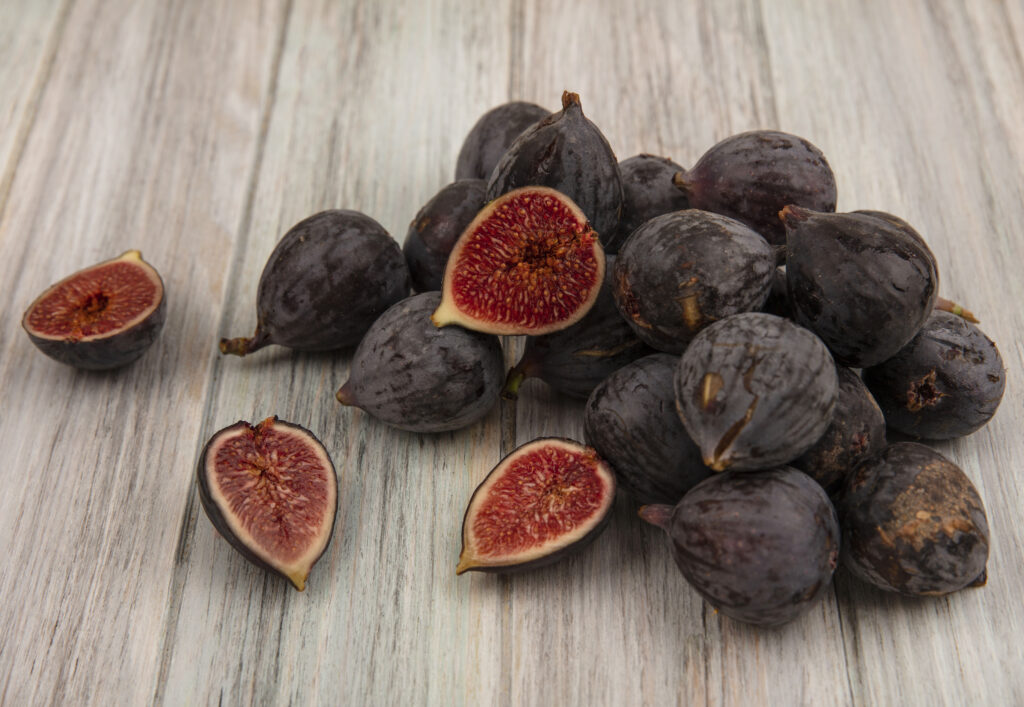
Anjeer benefits are low in calories and fat but they are rich in essential vitamins, minerals and dietary fiber. Here is the description of nutritional value in 100 grams:
| Nutrient | Fresh Figs | Dried Figs (Anjeer) |
| Calories | 74 kcal | 249 kcal |
| Protein | 0.75 g | 3.3 g |
| Fiber | 2.9 g | 9.8 g |
| Sugar | 16.26 g | 47.92 g |
| Calcium | 35 mg | 162 mg |
| Potassium | 232 mg | 680 mg |
| Magnesium | 17 mg | 68 mg |
| Iron | 0.37 mg | 2.03 mg |
| Vitamin K | 4.7 mcg | 15.6 mcg |
| Antioxidants | Moderate | High |
Dried anjeer benefits are particularly rich in fibre, calcium, potassium and magnesium, making them a great addition to a balanced diet. They are also rich in antioxidants such as polyphenols and carotenoids, which reduce oxidative stress and inflammation.
💪 Top Health Benefits of Anjeer

1. Digestive Health: A Natural Remedy for Constipation
Anjeer benefits are renowned for its digestive. Its high fiber content acts as a natural laxative, promoting regular bowel movements and preventing constipation. Fiber also acts as a prebiotic, nourishing anjeer benefits intestinal bacteria and supporting a healthy microbiome. A study involving individuals with irritable bowel syndrome (IBS) found that consuming dried figs twice daily significantly reduced symptoms like bloating, pain, and straining. For best results, soak 2-3 dried figs overnight and consume them on an empty stomach in the morning.
2. Heart Health: Regulating Blood Pressure and Cholesterol
Anjeer benefits is heart-friendly. Its potassium content helps regulate blood pressure by counteracting the effects of sodium. Additionally, the soluble fiber in anjeer benefits helps manage cholesterol levels by reducing LDL (“bad”) cholesterol and triglycerides. Although most studies on fig extract and heart health have been conducted on animals, the results are promising, showing improvements in blood pressure and lipid profiles.
3. Blood Sugar Management
Despite their sweetness, anjeer benefits have a low glycemic index (GI), meaning they release sugar slowly into the bloodstream, preventing spikes in blood glucose levels. Fig leaf tea has also shown potential in reducing blood sugar levels in people with type 1 diabetes. However, due to their high sugar content, dried figs should be consumed in moderation by diabetics.
4. Bone Strength: Rich in Calcium and Magnesium
Anjeer is an excellent source of calcium and magnesium, which are essential to maintain bone density and prevent conditions like osteoporosis. Regular consumption of anjeer benefits ensures that your bones remain strong and healthy, reducing the risk of fractures and age-related bone loss.
5. Antioxidant Powerhouse
Anjeer benefits are loaded with antioxidants, including polyphenols, carotenoids, and vitamin C. These ingredients neutralize free radicals, protect cells from damage, and reduce inflammation. This antioxidant activity may lower the risk of chronic diseases like cancer, heart disease, and diabetes.
6. Skin and Hair Health
The antioxidants in anjeer, such as lutein and zeaxanthin, protect the skin from UV damage and premature aging. Anjeer benefits extract has been used in creams to treat dermatitis and eczema, proving more effective than hydrocortisone in some studies. Additionally, the iron content in anjeer benefits helps in healthy hair growth and prevents hair fall.
7. Weight Management
The high fiber content in figs promotes a feeling of fullness, reducing overall calorie intake and aiding weight management. Anjeer benefits are low in fat and calories, making them a healthy snack for those looking to maintain or lose weight.
🍽️ How to Incorporate Anjeer into Your Diet
Anjeer benefits are incredibly versatile and can be enjoyed in various ways:
- Fresh Anjeer or Dried Anjeer: Enjoy as a healthy snack or add to salads, oatmeal, or yogurt.
- Smoothies and Milkshakes: Blend soaked figs with milk, yogurt, and other fruits for a nutritious drink.
- Baked Goods: Use chopped figs in cookies, muffins, or bread for natural sweetness.
- Traditional Dishes: Prepare anjeer halwa, jams, or stuff figs with nuts and cheese for a gourmet treat.
- Fig Leaf Tea: Steep dried fig leaves in hot water for a soothing beverage that may help manage blood sugar.
Pro Tip: Soaking dried figs overnight enhances their digestibility and nutritional value.
⚠️ Potential Side Effects and Precautions
While anjeer benefits is generally safe, moderation is key:
- Digestive Issues: Overconsumption may cause bloating, gas, or diarrhea due to high fiber content.
- Allergies: Some individuals, particularly those allergic to birch pollen or latex, may experience allergic reactions.
- Medication Interactions: Anjeer benefits are high in vitamin K, which can interfere with blood-thinning medications like warfarin. They may also interact with antidiabetic drugs and antiplatelet medications.
- Sugar Content: Dried figs are high in sugar and calories, so they should be consumed in moderation, especially by diabetics.
🌟 Conclusion
Anjeer is more than just a sweet treat; it’s a nutrient-dense superfood with profound health benefits. From improving digestion and heart health to strengthening bones and enhancing skin radiance, this humble fruit is a testament to nature’s wisdom. By including figs in your daily diet, you can enjoy its delicious taste while nourishing your body from within.
Remember, balance is essential. Enjoy anjeer benefits in moderation, and if you have underlying health conditions or are on medication, consult your healthcare provider before making significant dietary changes. Here’s to your health—may it be as sweet and robust as the mighty anjeer!
Have you tried anjeer? Share your favorite way to enjoy this fruit in the comments below!
Disclaimer: The information provided on this website is for general educational and awareness purposes only. It should not be considered a substitute for professional medical advice, diagnosis, or treatment. Always consult your doctor or a qualified healthcare professional before making any changes to your diet, medication, or health routine. The author and website are not responsible for any outcomes resulting for the use of this information.
FAQs
Is it better to eat fresh or dried anjeer (figs)?
Both forms are beneficial, but they serve different purposes. Fresh figs are lower in calories and sugar, making them a great hydrating snack. Dried anjeer has a more concentrated nutrient profile, offering significantly higher amounts of fiber, calcium, and antioxidants. For digestive issues, soaked dried figs are often recommended.
How many anjeer should I eat in a day?
Moderation is key. For dried figs, consuming 2-3 pieces per day is generally considered a safe and beneficial amount. Soaking them overnight can enhance digestibility. Due to their high sugar and calorie content, it’s best not to overconsume, especially if you are managing your weight or blood sugar levels.
Can diabetics eat anjeer?
Anjeer has a low glycemic index, meaning it releases sugar slowly into the bloodstream. This makes it a better option than many other sweet snacks. However, dried figs are still high in natural sugars. Diabetics can consume them in very small quantities (e.g., 1-2 pieces) occasionally but should always monitor their blood sugar levels and consult with their doctor first.
What are the main side effects of eating too many figs?
Overconsumption of anjeer, particularly the dried variety, can lead to digestive discomfort like bloating, gas, or diarrhea due to its high fiber content. Some individuals may also be allergic. Because of their vitamin K content, excessive intake could also interfere with blood-thinning medications like warfarin.
How does anjeer benefit skin and hair?
Anjeer is rich in antioxidants like vitamin C and lutein, which fight free radicals and protect skin cells from damage, promoting a youthful glow. Its nutrients support collagen production for skin elasticity. For hair, the iron in anjeer helps carry oxygen to hair follicles, which is crucial for growth and preventing hair loss.
8 thoughts on “Anjeer Benefits”