
Table of Contents
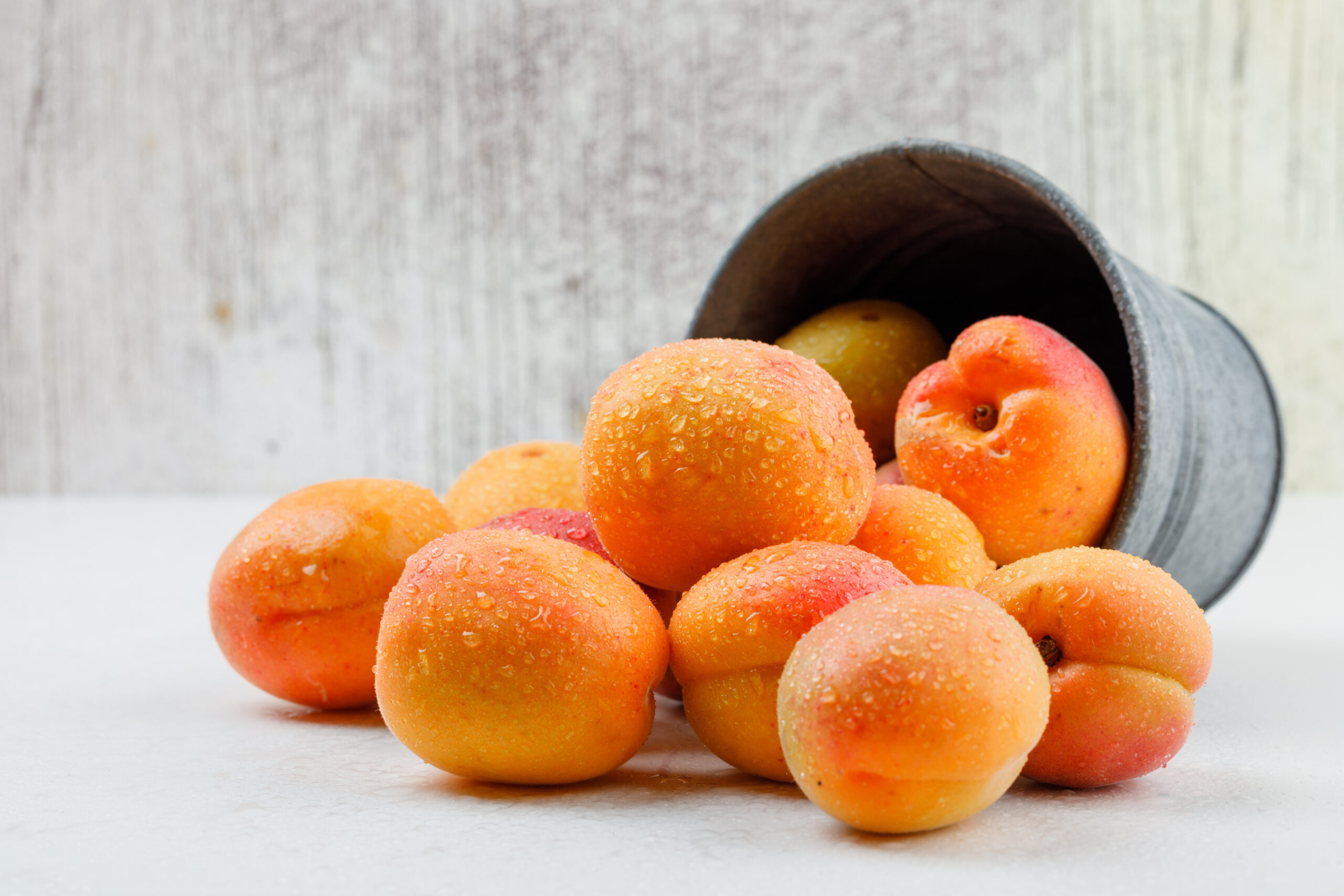
An apricot has a singular cheerfulness to it – maybe it’s the bright orange color with the velvety texture and just the right size! An often forgettable little stone fruit, the apricot benefits plays second fiddle to its stone cousins, but nevertheless is a nutritional and delicious powerhouse. Apricots are ancient trees that have traveled from orchards across the world and now find their way into sweet jams and savory tagines.
And to top it off, this tasty fruit has a side of health benefits as well, and we are going to open the curtain on this sunny superfruit. What to know about why this little fruit deserves very bit of real estate in your kitchen and in your diet.
You must read this useful posts to include Fruits nutritional powerhouse in your diet- Ice apple, Star fruit, Pineapple, Avocado, Mangosteen, Rambutan, Longan, Lychee, Prickly pear, Water chestnut…amd more in health-icon.com.
Apricot Nutrition
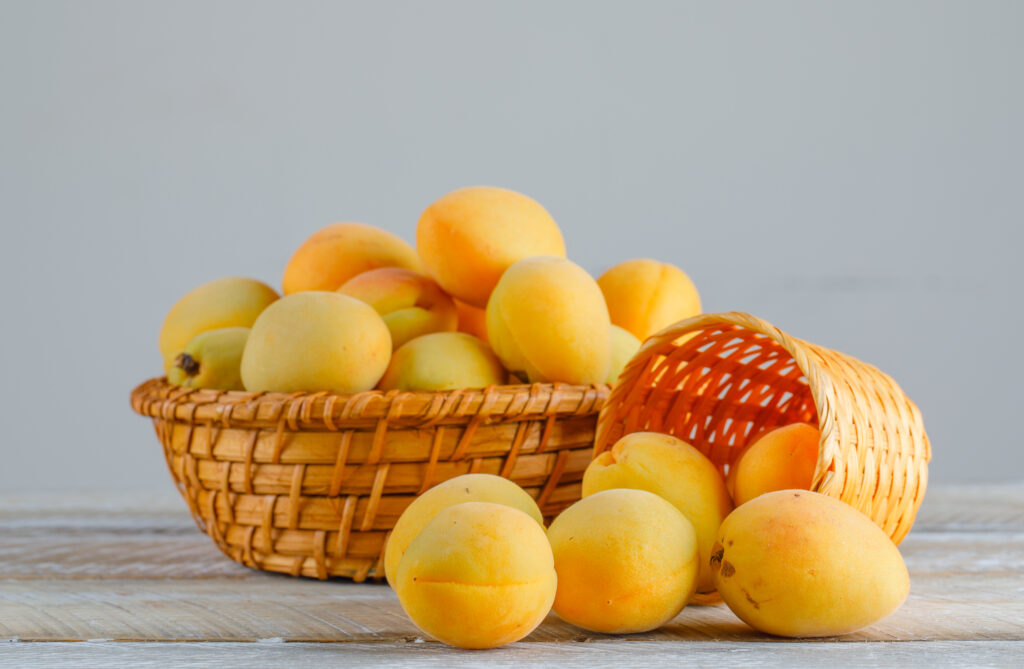
Before discussing the apricot benefits, let’s consider what an apricot has to offer in the first place. Nutrition is always the underlying factor to any health claim, and apricots have a solid one.
An average-sized fresh apricot (about 35g) is a low-calorie bundle of nutrition, with approximately:
- Calories: 17
- Carbohydrates: 4 grams
- Fiber: 0.7 grams
- Vitamin A: 13% of your Daily Value (DV)
- Vitamin C: 4% of your DV
- Potassium: 3% of your DV
- Vitamin E: 2% of your DV
So, you can imaging getting all of this benefit from one little piece of fruit! With a handful, the accumulation amplifies exponentially. The secret sauce here is in its high concentration of Vitamin A (beta-carotene, where the orange color comes from), the dietary fiber, and the smorgasbord of antioxidant powerhouses, such as flavonoids. This straightforward nutritional makeup is the fuel for some pretty amazing health effects.
10 Apricot Benefits
Why should you include apricots in your regular diet? Count the ways.
1. An Eye Fruit for Healthy vision
You may have heard that carrots are good for your eyes, however, apricots, my friends, may be more powerful. Apricot benefits are an excellent source of Vitamin A in the form of beta-carotene, which can be an essential vitamin for healthy vision. Beta-carotene, which is found in apricots, is converted by your body into retinol, which assists your eyes in adapting to light changes and protects the cornea. Vitamin A also lowers the risk of night blindness and age-related macular degeneration (AMD).
2. Your Skin’s Best Friend
Would you like year-round summer glow? Consider apricots. The combined effect of Vitamins A, C, and E make for a nutrient-rich skin-saving weapon. Vitamin A increases skin cell repair and protection against UV damage; Vitamin C improves collagen production which maintain firmness; Vitamin E is the moisturizing master that fights free radicals. Did you know you can topically apply apricot benefits kernel oil to help keep skin silky-smooth?
3. A Heart-Happy Companion
There are a lot of factors when it comes to how to achieve good heart health, but apricot benefits are another way to multitask for you. Apricot benefits are high in potassium, which is a vasodilator that helps relax blood vessels, which aids in optimal blood pressure management. Their fiber binds excess cholesterol, helping to limit cholesterol absorption into the bloodstream. Additionally, antioxidants like Vitamin C preserve healthy and elastic arteries that are resilient against oxidative stress.
4. A Digestive System Soother
Are you feeling a pinch in your gut? Apricot benefits are an effective, easy, and natural way to support digestive system. Their soluble fiber provides volume to your stool, assisting in its movement through the GI tract, while feeding the good bacteria in your gut, supporting a healthy microbiome. About a handful of apricots daily can help prevent digestive distress.
5. An Established Preventing for Anemia
Apricot benefits, especially in dried form, contain non-heme iron that is responsible for hemoglobin production—the blood protein responsible for oxygen transportation. Furthermore, apricot benefits are high in Vitamin C, which increases the absorption of plant-based iron. This makes apricots an ideal food for vegetarians and vegans or a good food choice for any individual who is at risk of developing iron-deficiency anemia.
6. A Hydrating Helper
While watermelon and cucumber may seem to be the ultimate hydration options, it turns out that fresh apricots are about 86% water. Snacking on apricot benefits are an easy and yummy way to expand your fluid intake for the day and provide hydration to your cells, lubrication for your joints, and ultimately stable body temperature.
7. A Cell Defender
That orange color is representative of a potent source of antioxidants. Apricot benefits contain beta-carotene and flavonoids which work as the body’s defense team against free radicals, unstable molecules present throughout the body that can damage cells, and contribute to disease and aging. Apricot benefits aid in the neutralization of free radicals, which keep the body strong.
8. A Weight Management Ally
Apricot benefits are less than 20 calories per fruit, making them a dieter’s best friend. Their fiber content makes them extremely filling, providing longer lasting satiety and satisfying cravings that could lead to unhealthy snacking. Apricots’ natural sweetness can also easily curb a sweet tooth, without compromising your diet as processed sweets and candy would.
9. Strengthening Your Bones
Although apricot benefits may not receive the same notoriety as dairy products do for strong and healthy bones, apricot benefits contain a wealth of minerals that contribute to maintaining strong bones including calcium, phosphorus, manganese, iron, and copper. Collectively, these minerals positively impact bone mineral density, helping to lower the chances of developing osteoporosis with age.
10. A Natural Inflammation Fighter
Chronic inflammation is associated with numerous health problems ranging from arthritis to heart disease. The antioxidants in apricot benefits, especially the flavonoids, exhibit anti-inflammatory properties. The regular consumption of apricots in addition to a well-balanced diet can help to decrease systemic inflammation and keep the body more continuously balanced and healthy.
Apricot vs Peach
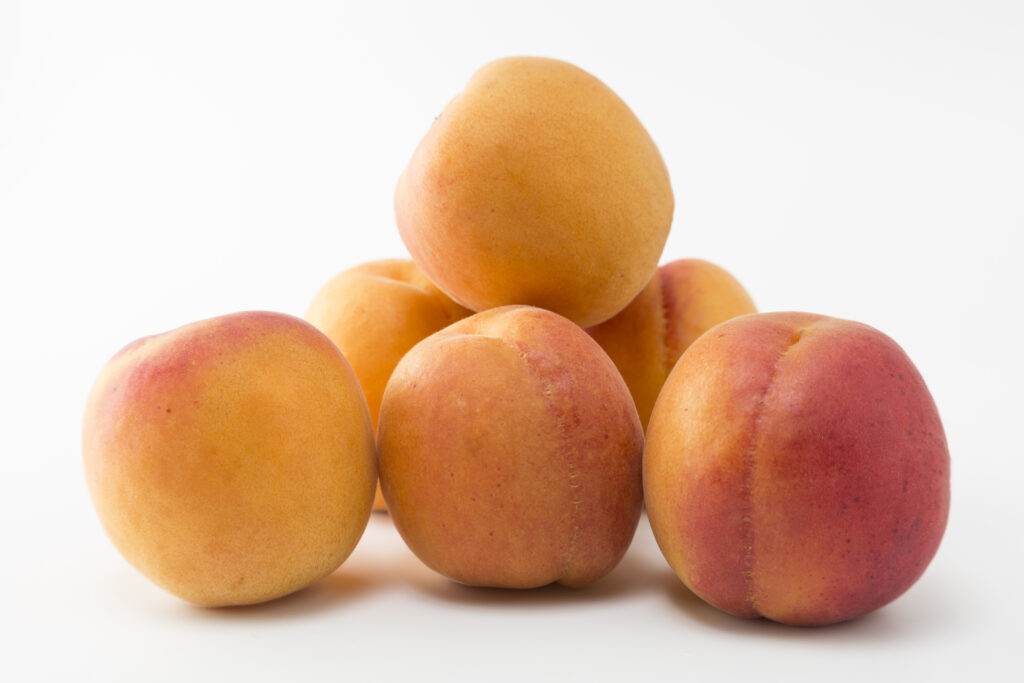
One of the most frequently asked questions at the farmer’s market is: what’s the difference? They are both considered stone fruits that come from the Prunus family but both fruits have their own unique identities.
• Size & Skin: Apricots are noticeably smaller – they are about a quarter of a peach’s size – and while apricots have velvety skin, they are smoother and less fuzzy than peaches.
• Flavor & Texture: This is by far the most stark difference. Apricots have a more concentrated tart and almost musky flavor, while peaches have a more simple sweetness. The flesh of an apricot is less juicy and more firm.
• Nutrition: In terms of nutrition, they are fairly similar, however, apricots generally have a more concentrated dose of certain vitamins like Vitamin A per ounce. Peaches typically have just a bit more water content than apricots.
The Conclusion: Consider apricots as the more intense tart cousin, while peaches are the juicy sweet cousin. You don’t have to decide on one – each fruit has its own attributes!
Apricot Delight
Adding apricots to your meals is a pleasure, not a hassle! Here are a couple ideas:
• Fresh & Easy: You can’t go wrong with perfectly ripe, fresh apricots as a snack on their own!
• Salad: Add sliced apricots to a summer salad with mixed greens and goat cheese to round it out, and an easy vinegrette. Their sweet-tart flavor complements savory salad toppings very well.
• Grilled: Cut them in half and grill them for a few minutes to caramelize their natural sugars! Grilled apricot is delicious served with grilled pork or even alongside a scoop of vanilla ice cream!
• Sweet & Savory: Blend them into a glaze for chicken or fish, or simmer them into a yummy chutney to serve for cheese and crackers and consume apricot benefits.
Apricot Dry Fruit
Dried apricots are a household staple for good reason. They’re dried, so the drying process removes water while concentrating indirectly both the nutrients and the flavor.
• Nutritional Application: Gram for gram, dried apricots have much higher amounts of fiber, iron, potassium, and antioxidants than the fresh version.
• A Word of Caution: That concentration also applies to sugar and calories, and a small handful of unsulfured sliced apricots is a perfect portion (about 5-6 pieces). Always look to see that there is no added sugar.
They are the ultimate portable snack for hiking, long commutes, or just an energy boost in the afternoon.

Apricot Side Effects
As with all good things, moderation is important. Apricots are very safe to eat for most people. However, there are a few things to keep in mind:
• The Sugar Issue: Despite being natural sugar, the sugars found in dried apricots can lead to overconsumption. Keep portion sizes reasonable, particularly if you’re mindful of your blood sugar.
• Sulfur Sensitivity: Some dried apricots are treated with sulfur dioxide to keep their bright orange color. This can trigger asthma-like symptoms in sensitive and some not as sensitive individuals. If this is the case for you, eat “unsulfured” or the naturally brown looking dried apricots.
• Apricot Kernels (Pits): A Safety Alert! The seeds inside an apricot pit look like almonds, but they contain amygdalin, a compound that can be converted into cyanide in the human body. Consumption of these pits is dangerous and is not advised. Stick with the delicious and versatile fruit flesh!
Conclusion
The apricot is a small fruit with huge value. Here you’ll find that the vision you have for supporting your heart and giving your skin the radiance boost you desire can be met with the many apricot benefits. In fact, this is a great affirmation for the idea that the most effective health foods are often the simplest foods that nature provides.
So, the next time you find yourself mesmerized by a splash of sunset orange in the produce aisle, look for a few apricots. Enjoy their specific flavor, and use this cheerful superfruit to fuel your entire system.
Disclaimer: The information provided on this website is for general educational and awareness purposes only. It should not be considered a substitute for professional medical advice, diagnosis, or treatment. Always consult your doctor or a qualified healthcare professional before making any changes to your diet, medication, or health routine. The author and website are not responsible for any outcomes resulting for the use of this information.
Frequently Asked Questions (FAQs)
Are canned apricots as healthy as fresh ones?
Canned apricots can be a convenient option, but it’s crucial to check the label. Many are packed in heavy syrup, which adds a significant amount of sugar. For a healthier choice, look for cans labeled “packed in 100% fruit juice” or “no sugar added.” Rinsing them before eating can also help remove some of the excess syrup or juice.
What is the best way to store fresh apricots?
To maximize their shelf life, keep unripe apricots on the counter at room temperature. Once they yield slightly to a gentle squeeze and are fragrant, they’re ready to eat. If they’re ripe, transfer them to the refrigerator in a plastic or paper bag to slow down further ripening; they should last for another few days.
How many dried apricots should I eat in a day?
A good rule of thumb is a small handful, which is about 4-6 dried apricot halves. This portion provides a concentrated dose of fiber and nutrients without overdoing the natural sugars and calories. Remember, because the water is removed, dried fruit is much more calorie-dense than fresh.
Why are some dried apricots brown instead of orange?
The bright orange dried apricots are typically treated with sulfur dioxide to preserve their color and extend shelf life. The brown ones are “unsulfured” or natural, meaning they haven’t been treated. They are just as nutritious and are the better choice for individuals with sulfur sensitivities or those who prefer to avoid food additives.
10 thoughts on “Apricot Benefits”