
Table of Contents
Benefits of water chestnuts are a popular include in many Asian dishes, known for their unique crunchy texture and some sweet flavor. Despite their name, water chestnuts are not nuts but aquatic vegetables that grow in shallow lakes. These small, round corms are packed with essential nutrients and offer numerous health benefits, making them a valuable addition to a balanced diet. In this comprehensive guide, we will explore the nutritional profile, health benefits of water chestnut, and potential side effects of water chestnuts, backed by scientific evidence and traditional uses. Whether you are a health enthusiast or a culinary adventurer, this article will provide you with all the information you need to make the most of this versatile vegetable.
Do you want to lose weight or do you want to include dry fruits & nuts in your diet? To know their health benefits, you will definitely read these posts.
Nutritional Profile of Water Chestnuts
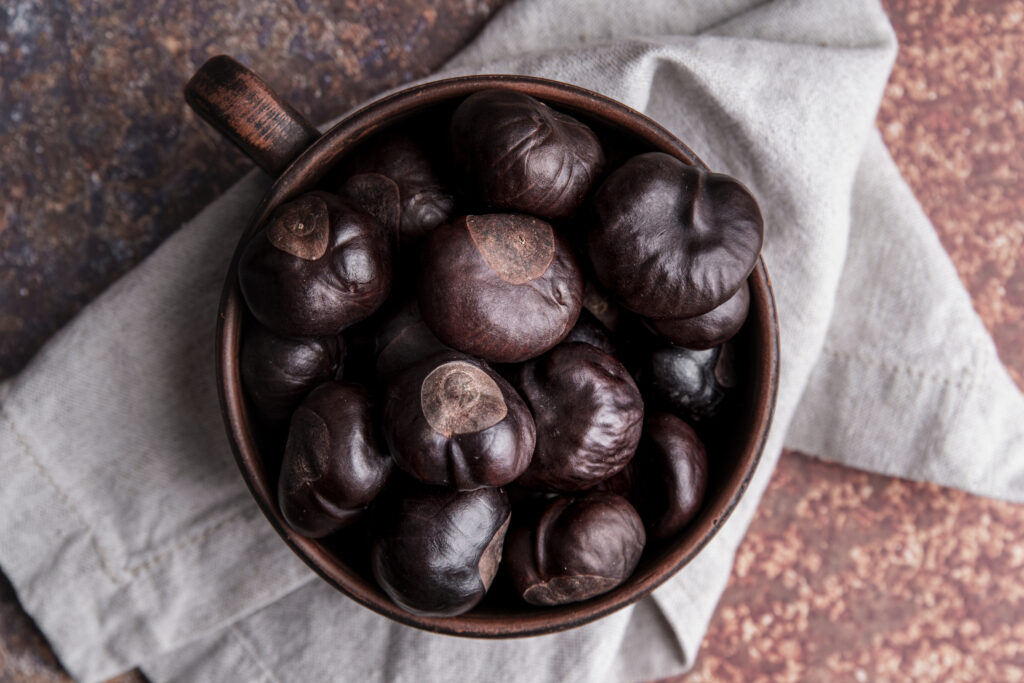
Benefits of water chestnuts are low in calories and rich in essential vitamins, minerals, and antioxidants. Here is a breakdown of their nutritional value per 100 grams of raw water chestnuts:
- Calories: 97
- Protein: 1–1.4 grams
- Fat: 0 grams
- Carbohydrates: 23.9 grams
- Fiber: 3 grams
- Sugar: 5 grams
- Potassium: 584 mg (17% of Daily Value)
- Manganese: 0.3 mg (17% of DV)
- Copper: 0.3 mg (16% of DV)
- Vitamin B6: 0.3 mg (16% of DV)
- Riboflavin (B2): 0.2 mg (12% of DV)
- Vitamin C: 4 mg (7% of DV)
Benefits of water chestnuts are also a good source of antioxidants, such as ferulic acid, gallocatechin gallate, epicatechin gallate, and catechin gallate, which help combat oxidative stress and inflammation. Additionally, they contain flavonoids, phenolic compounds, and non-starch polysaccharides, which contribute to their health-promoting properties.
Fresh vs. Canned Water Chestnuts
It is important to note that canned water chestnuts may have a slightly different nutritional profile and benefits of water chestnut. For example, 100 grams of canned water chestnuts contain only 29 calories, 7 grams of carbohydrates, and 200 mg of potassium due to their higher water content (86%). However, canned varieties may also contain added sodium, so it is advisable to rinse them thoroughly before use.
Health Benefits of Water Chestnuts
1. Rich in Antioxidants
Benefits of water chestnuts are packed with antioxidants, which help neutralize harmful free radicals in the body. Free radicals contribute to oxidative stress, which is linked to chronic diseases such as heart disease, diabetes, and cancer. The antioxidants in water chestnuts, particularly ferulic acid, have been shown to inhibit the growth of cancer cells in laboratory studies. Additionally, the peel of water chestnuts contains antioxidants like fisetin, luteolin, and tectorigenin, which possess anti-inflammatory properties.
2. Supports Heart Health
The high potassium content in benefits of water chestnuts plays a key role in regulating blood pressure. Potassium counteracts the effects of sodium and helps relax blood vessels, reducing the risk of hypertension and stroke. Studies suggest that a diet rich in potassium can lower systolic and diastolic blood pressure and reduce the risk of stroke by 24%. Furthermore, water chestnuts contain fiber, which helps lower cholesterol levels, supporting overall cardiovascular health.
3. Aids Digestive Health
Water chestnuts are an excellent source of dietary fiber, which promotes healthy digestion by adding bulk to stool and preventing constipation. Fiber also acts as a prebiotic, feeding beneficial gut bacteria and supporting a balanced gut microbiome. For individuals with irritable bowel syndrome (IBS) or other digestive issues, benefits of water chestnuts are a low-FODMAP food, meaning they are less likely to cause bloating or discomfort.
4. Promotes Weight Loss
With their low calorie and high water content, water chestnuts are an ideal food for weight management. They provide volume and crunch to meals, helping you feel full without consuming excess calories. The fiber content further enhances satiety, reducing overall food intake. Incorporating benefits of water chestnuts into salads, stir-fries, or snacks can support a healthy weight loss journey.
5. Regulates Blood Sugar Levels
Water chestnuts have a low glycemic index (GI) of 54, meaning they cause a gradual rise in blood sugar levels rather than a sharp spike. This makes them suitable for people with diabetes or those aiming to manage their blood sugar levels. Additionally, the fiber in benefits of water chestnuts slows down carbohydrate absorption, further supporting blood sugar control.
6. Gluten-Free and Suitable for Celiac Disease
Water chestnuts are naturally gluten-free, making them a safe and nutritious option for individuals with celiac disease or gluten sensitivity. They can be used as a substitute for gluten-containing grains in various recipes, such as benefits of water chestnut flour for baking or thickening sauces.
7. Supports Skin and Hair Health
The nutrients in water chestnuts, including potassium, zinc, B vitamins, and vitamin E, contribute to healthy skin and hair. Vitamin E acts as an antioxidant, protecting skin cells from damage, while B vitamins promote hair strength and growth. Traditional medicine also suggests that benefits of water chestnut help purify the blood, leading to clearer, healthier skin.
8. Anti-Inflammatory and Anti-Ulcer Properties
Water chestnuts contain bioactive compounds like gallic acid and ferulic acid, which exhibit anti-inflammatory effects. These compounds may help reduce inflammation in the body and protect against conditions like arthritis and inflammatory bowel disease. Additionally, benefits of water chestnuts have been used in traditional medicine to prevent and treat stomach ulcers due to their soothing effects on the digestive tract.
9. Boosts Immune Function
The vitamin C content in benefits of water chestnut supports immune function by stimulating the production of white blood cells and acting as an antioxidant. Vitamin C also promotes collagen synthesis, which is essential for skin health and wound healing. Combined with other antioxidants, water chestnuts help strengthen the body’s natural defenses against infections.
10. Hydration and Cooling Effects
With a water content of 74%, benefits of water chestnuts are highly hydrating and are often consumed in traditional practices to cool the body during hot weather. They are also used to alleviate symptoms of dehydration and diarrhea due to their electrolyte content.
Potential Side Effects of Water Chestnuts
While water chestnuts are generally safe for consumption, there are a few potential water chestnut side effects to consider:
1. Allergic Reactions
Although rare, some individuals may experience allergic reactions to water chestnuts. Symptoms can include itching, swelling, hives, or difficulty breathing. Those with known nut allergies should exercise caution and consult a healthcare provider before consuming water chestnuts.
2. Digestive Issues
Due to their high fiber content, overconsumption of water chestnuts may cause gas, bloating, or abdominal discomfort, especially when eaten raw. To minimize these effects, introduce water chestnuts gradually into your diet and ensure they are cooked, as cooking can improve digestibility.
3. Blood Sugar Concerns
While water chestnuts have a low GI, they still contain carbohydrates. Individuals with diabetes should monitor their portion sizes to avoid unexpected spikes in blood sugar levels.
4. Interference with Blood Thinners
Water chestnuts contain vitamin K, which plays a role in blood clotting. People taking blood-thinning medications (e.g., warfarin) should maintain a consistent intake of vitamin K-rich foods to avoid interfering with their medication.
5. Sodium Content in Canned Varieties
Canned water chestnuts often contain added sodium as a preservative. Those on a sodium-restricted diet should rinse canned water chestnuts thoroughly or opt for fresh varieties to reduce sodium intake.
Water Chestnuts into Your Diet
Water chestnuts are incredibly versatile and can be enjoyed in various ways and consume benefits of water chestnut:
- Stir-Fries: Add sliced water chestnuts to stir-fries for a crunchy texture.
- Salads: Use raw or cooked water chestnuts in salads for extra crispness.
- Soups: Add them to soups like hot and sour soup for a subtle nutty flavor.
- Snacks: Wrap water chestnuts in bacon and bake them for a savory appetizer.
- Desserts: Use water chestnuts in desserts like Thai “Red Rubies,” where they are coated in tapioca flour and served in coconut milk.
- Flour: Dried and ground water chestnuts can be used as gluten-free flour for baking or thickening sauces.
The Final Thought
Water chestnuts are a nutritious and delicious aquatic vegetable that offers numerous health benefits, including improved heart health, digestion, and weight management. Their rich antioxidant content and anti-inflammatory properties make them a valuable addition to any diet. However, it is important to be mindful of potential side effects, such as allergic reactions or digestive discomfort, especially when consumed in large quantities. Whether you choose fresh or canned varieties, water chestnuts can add a unique crunch and flavor to a wide range of dishes. For more health tips and nutritious information, visit health-icon.com.
Disclaimer: The information provided on this website is for general educational and awareness purposes only. It should not be considered a substitute for professional medical advice, diagnosis, or treatment. Always consult your doctor or a qualified healthcare professional before making any changes to your diet, medication, or health routine. The author and website are not responsible for any outcomes resulting for the use of this information.
FAQs
What are the main health benefits of water chestnut?
Water chestnuts offer a wide array of health benefits. They are renowned for supporting heart health due to their high potassium content, which helps regulate blood pressure. Their high fiber content promotes excellent digestive health by preventing constipation and feeding good gut bacteria. Additionally, they are packed with antioxidants that fight oxidative stress, are naturally low in calories for weight management, and have a low glycemic index, making them suitable for blood sugar control.
What does the water chestnut nutrition profile look like?
Water chestnuts are a nutritional powerhouse despite being low in calories. A 100-gram serving provides essential nutrients like potassium (crucial for heart and muscle function), dietary fiber (for digestion), and key B-vitamins like B6 and Riboflavin that help convert food into energy. They are also a source of antioxidants like ferulic acid and are naturally fat-free and cholesterol-free.
Are there any side effects to eating water chestnuts?
For most people, water chestnuts are safe and healthy. However, there are a few potential side effects to consider. Though rare, some individuals may experience allergic reactions. Due to their high fiber content, eating large quantities, especially raw, may cause minor digestive discomfort like gas or bloating. It’s also important to rinse canned varieties thoroughly to remove excess sodium. Those on blood-thinning medication should be mindful of their consistent vitamin K intake.
Are water chestnuts a good option for weight loss?
Absolutely. Water chestnuts are an excellent food for weight management. They are very low in calories and high in water content, which adds volume to your meals and helps you feel full and satisfied without a high calorie cost. The satisfying crunch also makes them a great textural addition to salads and stir-fries, replacing higher-calorie crunchy ingredients.
Can people with diabetes eat water chestnuts?
Yes, water chestnuts can be a good choice for individuals managing diabetes. They have a low glycemic index (GI), meaning they cause a slower, more gradual rise in blood sugar levels compared to high-GI foods. The fiber in water chestnuts also helps slow down the absorption of sugar into the bloodstream, aiding in better blood sugar control. As with any food, portion control is key.
6 thoughts on “Benefits of Water Chestnut: Nutrition and Side Effects”