
Table of Contents
Ber fruit, also known as Indian jujube, is a small but powerful fruit that has been consumed in India for centuries. Ber fruits are especially popular during the winter months, not just because of the sweet-tangy flavour but also because tremendous ber fruit benefits for overall health. As per Ayurvedic principles and traditional medicinal practices, Ber is considered a fruit of nourishment that benefits digestion, immunity, and overall health and wellness.
In this article we will discuss Ber fruit, including; What is Ber fruit in English, what nutritional values does it have, how many calories does Ber fruit have, Health Benefits of Eating Ber Fruit, Where to Find Ber Fruit and Taking Ber Fruit.
Indian Jujube (Ber Fruit)
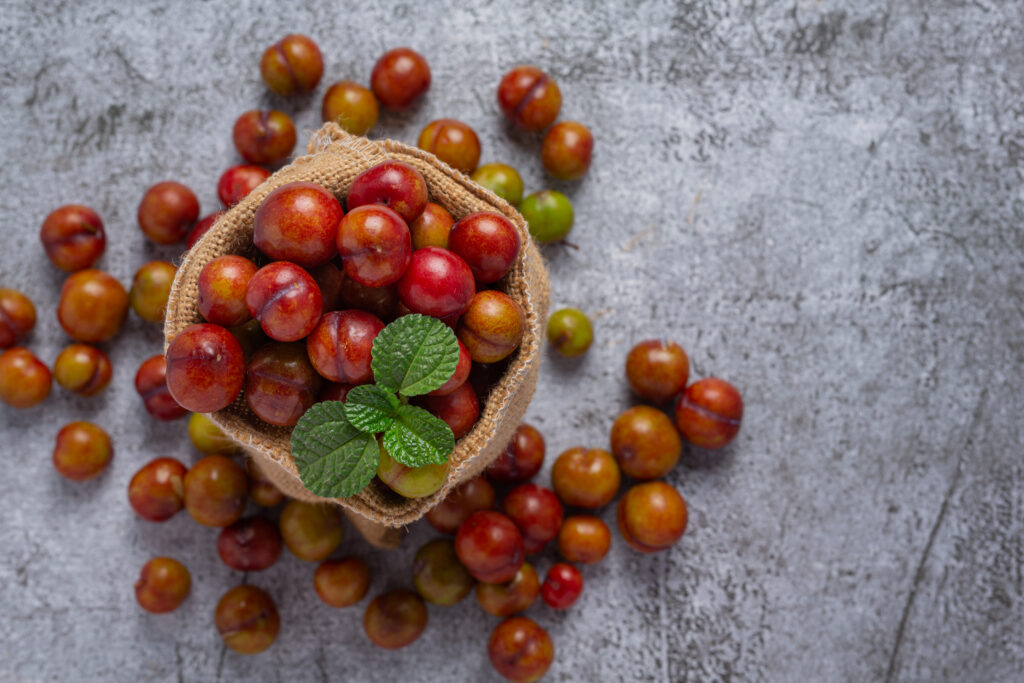
The most popular variety of Ber in India is the Indian Jujube, which is well suited to the warm, dry climate of Northern India and the Western States of Rajasthan, Gujarat, Maharashtra and Uttar Pradesh. The fruit is typically round or oval shaped and has smooth green skin that changes to a yellowish or reddish brown colour as it matures.
The Indian Jujube has a crunchy, firm texture when it is raw and when ripe it is soft and sweet. The Indian Jujube has always been affordable and locally accessible, therefore it has been viewed as a “poor man’s fruit”, however, its nutritional profile is quite rich.
Traditionally, the Indian Jujube has been consumed to increase energy levels, support digestion and provide warmth during winter.
Ber Fruit In English
Ber is commonly known as ‘Indian Jujube’ in English, although it’s also referred to as ‘Chinese Date’ or even sometimes ‘Indian Plum’ in different countries; however, it is not the same as dried dates that most of us consume regularly! Ber has several names.
“Ber” is the name given to this in Hindi, while in the language of the Gujarat region, it’s called “Bor.” Despite the variations in the name, the usage involves the same advantages in terms of its benefits to health.
10 Ber Fruit Benefits
Ber fruit provides multiple health benefits due to its vitamins, minerals, antioxidants and dietary fibre. Below are the 10 scientifically supported benefits of ber fruit:
1. Immunity Boosting Benefit
Ber fruit is an excellent source of Vitamin C which can strengthen your immune system. By consuming ber fruit regularly you will be able to reduce your risk of getting a cold or flu by boosting the production of white blood cells.
2. Improves Digestion
As part of a balanced diet, fibre in ber fruit aids in proper digestion by helping to keep the digestive tract clear and functioning correctly. By eating ber fruit after meals, you will help prevent constipation, improve bowel regularity and have better gut health. Ber will also help alleviate the feeling of bloatedness and aid in digestion.
3. Support Weight Control
Ber fruit is low in calories and has high amounts of fibre, thus making it an ideal snack for those trying to control their weight. Eating ber will help keep you full longer, which will help to reduce unnecessary cravings.
4. Skin Health Supports
The antioxidants present in ber fruit help protect your skin from premature ageing caused by free radicals. By consuming ber fruit regularly, you will likely see improvements in skin texture, a reduction of dullness, and an increase in the natural glow of your skin.
5. Heart Health Supports
The fibre and potassium found in ber fruit assist with the regulation of blood pressure, which in turn helps support proper heart function. Additionally, fibre aids in reducing the amount of LDL (bad) cholesterol you have, and therefore, also assists with preventing heart-related health issues.
6. Controls Blood Sugar Levels
Ber has a low glycaemic index and contains fibre, which lowers sugar absorption in your blood. It is an acceptable fruit choice for diabetics when consumed in moderation.
7. Supports Bone Strength
Ber contains vital minerals such as calcium and phosphorus, which contribute to healthy bone and teeth development. Consuming ber can support the maintenance of bone density in older individuals.
8. Boost Natural Energy
Ber is a natural source of energy because it has carbohydrates. It gives a burst of energy without causing a sugar ride. Therefore, it is a healthier alternative to processed snack foods.
9. Supports Healthy Liver Function
Ber is thought to assist in supporting liver function through the natural detoxification process that the human body undertakes. Additionally, its antioxidant properties assist in reducing the oxidative stress on the cells of the liver.
10. Helps Reduce Stress and Improve Sleep
Research has indicated that the fruit of the jujube plant possesses calming properties. If regularly consumed, it could assist in reducing stress and calming the nervous system to enable a better night’s sleep.
Read this fruit benefits for your diet journey- Muskmelon, Strawberry, Yellow watermelon, Amla, Guava, Black grapes, Passion fruit, Pear, Peach, Bael, Dragon fruit, Apricot, Plum, Papaya, Kiwi, Custard apple, Artichoke, Avocado, Pineapple…and more in health-icon.com.
Ber Fruit Nutrition
Ber fruit is packed with essential nutrients that support overall health. Below is the approximate nutritional value per 100 grams of fresh ber fruit:
- Vitamin C – High
- Dietary Fiber – Moderate to High
- Carbohydrates – Natural sugars
- Protein – Small amount
- Potassium – Supports heart health
- Calcium & Phosphorus – For bones
- Antioxidants – Protect against cell damage
Due to this well-balanced nutrition profile, ber fruit has been designated a functional food with benefits beyond just being available during times of harvesting.
Ber Fruit Calories
Ber fruit is naturally low in calories, it is an excellent choice for those who are health-conscious.
- Calories per 100 grams: approximately 75–80 kcal
- Calories per medium-sized ber: around 20–25 kcal
Because of its high content of dietary fibre, consumers can take pleasure in the enjoyment of ber fruit without the guilty conscience associated with other processed foods (candy, pickles, etc.) but should do so only in its fresh form.
Apple Ber (Seb)
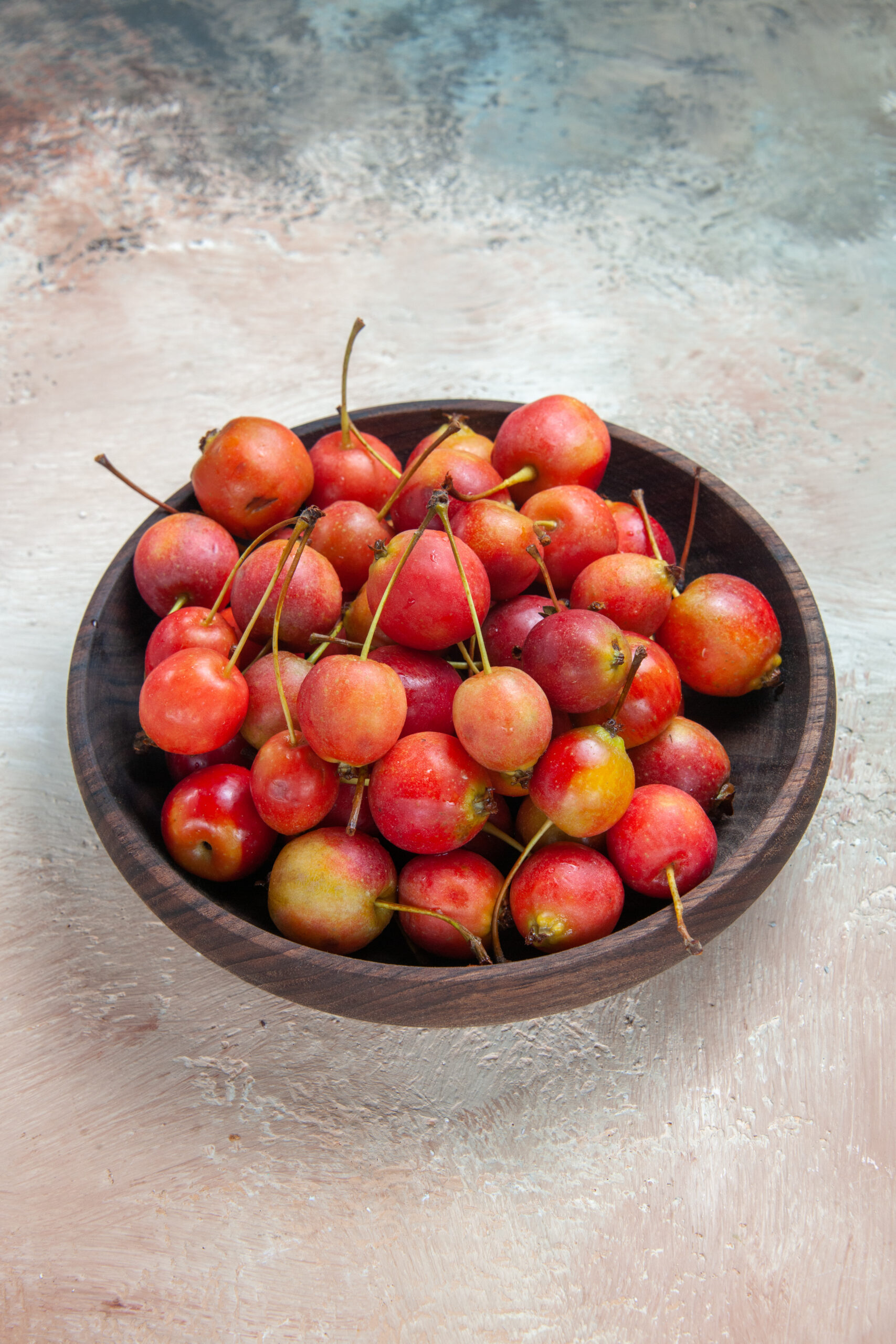
The hybrid variety of jujube found in ber fruit is referred to as apple ber or Seb (or apple ber). It is typically larger than the standard Indian ber, is round and apple shaped, and has a crunchy texture much like that of an apple. The taste of apple ber (the hybrid jujube) is slightly less sweet than that of the traditional Indian ber but is extremely refreshing compared to the regular variants.
Apple Ber Benefits
- High water content helps prevent dehydration
- Good source of fiber for digestion
- Low calorie fruit suitable for weight loss
- Rich in vitamin C for immunity
Most often, people enjoy apple ber raw, sprinkled with either a little salt or chili powder. It is rapidly gaining popularity as its taste is very crisp and it looks great.
How to Eat Ber Fruit
Ber fruit can be enjoyed in several simple and healthy ways:
- Eat fresh and raw as a snack
- Add chopped ber to fruit salads
- Use in traditional chutneys
- Dry ripe ber for longer storage
- Consume apple ber with light seasoning
The health benefits of consumption will be diminished if the fruit is deep-fried or covered with too much added sugar.

Ber Fruit Side Effects
Although ber fruit is generally safe for most people, excessive consumption may cause some side effects:
1. Digestive Issues
Digestive issues can arise from overconsumption of ber, due to its high fiber content, which can lead to an increase in gas/bloating/stomach discomfort.
2. Blood Sugar Levels
If you have diabetes, it is recommended that you eat ber in moderation and monitor your blood glucose levels closely when consuming ber, due to the presence of natural sugar in ripe ber.
3. Mild Allergic Reactions (Rarely)
The occurrence of mild allergic reactions from ber is very rare, however, for those individuals who do experience a mild reaction, they may report itching or upset stomach.
4. Not Suitable in Excess during Colds or Coughs
From an Ayurvedic standpoint, while not all people will have this problem, for some individuals consuming large quantities of ber during an acute cold or cough can increase the amount of mucus their body produces.
Tip: Consume ber in moderation. It is safe to consume 4-6 fresh ber a day for most healthy adult individuals.
Conclusion
Ber fruit may be small in size, but its health benefits are truly impressive. Ber provides numerous health advantages, such as improved immune system and digestive health, along with improving cardiovascular, weight-loss, and fitness levels.
Both forms of ber—Turmeric and/or Apple Ber—are great examples of the delicious fruit that can easily fit into any diet as a means of increasing overall health through eating whole fruits. An extremely easy-to-obtain source of vitamin and mineral nutrition, as well as an inexpensive source of nutrition for those limited to obtaining produce from farmer’s markets, farm stands and grocery stores locally, ber is a fast, convenient, and effective way to increase one’s level of health.
Disclaimer: The information provided on this website is for general educational and awareness purposes only. It should not be considered a substitute for professional medical advice, diagnosis, or treatment. Always consult your doctor or a qualified healthcare professional before making any changes to your diet, medication, or health routine. The author and website are not responsible for any outcomes resulting from the use of this information.
FAQs
What is ber fruit called in English?
Ber fruit is called Indian Jujube in English. Its scientific name is Ziziphus mauritiana.
Is ber fruit good for digestion?
Yes, ber fruit is rich in dietary fiber, which helps improve digestion, prevent constipation, and support gut health.
How many calories are in ber fruit?
Ber fruit contains approximately 75–80 calories per 100 grams, making it a low-calorie and healthy snack.
Are there any side effects of eating ber fruit?
Excess consumption may cause bloating or stomach discomfort. People with diabetes should eat it in moderation.