
Table of Contents
When most people think of chestnuts, they envision cozy winter scenes with nuts roasting over an open fire. But these flavorful nuts are far more than just a seasonal snack—they’re a nutritional powerhouse with an impressive array of chestnut benefits of health that might surprise you. Unlike other nuts, chestnuts have a unique composition that sets them apart in the world of healthy foods. From supporting heart health to aiding digestion, chestnuts deserve a year-round place in your diet. In this comprehensive guide, we’ll explore the science-backed chestnut benefits of this humble yet extraordinary food and discover why nutritionists are increasingly calling it a superfood in disguise.
Do you want to lose weight or do you want to include dry fruits & nuts in your diet? To know their health benefits, you will definitely read these posts.
A Nutritional Breakdown
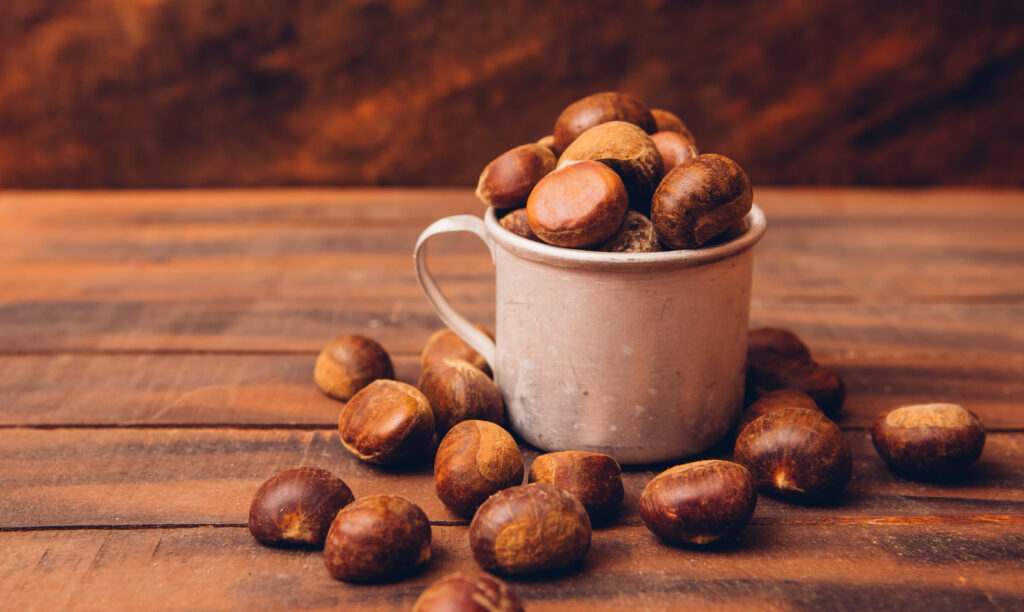
Chestnuts are related to Castanea and according to botanically science, they are actually considered to be fruits instead of real fruits. The four main species are: Chinese, Japanese, European and American chestnuts, with the European variety (Castanea sativa) being basically available in grocery stores.
What truly sets chestnuts apart from other nuts is their nutritional profile. Unlike almonds, walnuts, and other fatty tree nuts, chestnuts are low in fat and high in complex carbohydrates. A 1-ounce (28.35g) serving of raw, peeled chestnut benefits contains approximately 56 calories, 0.46g of protein, 0.35g of fat, and 12.52g of carbohydrates.
But don’t let their low fat content fool you—chestnut benefits are packed with essential vitamins and minerals. They’re an excellent source of vitamin C, with 11.4mg per ounce, which is unusual for nuts. They also provide meaningful amounts of potassium, copper, manganese, B vitamins, and dietary fiber.
Table: Nutritional Comparison of Chestnuts with Other Nuts (per 1-ounce serving)
| Nut Type | Calories | Protein (g) | Fat (g) | Carbs (g) | Vitamin C (mg) |
| Chestnuts | 56 | 0.46 | 0.35 | 12.52 | 11.4 |
| Walnuts | 185 | 4.3 | 18.5 | 3.9 | 0 |
| Almonds | 160 | 6 | 14 | 6 | 0 |
| Pistachios | 156 | 6 | 13 | 8 | 0 |
| Cashews | 157 | 5 | 12 | 9 | 0 |
Top Health Benefits of Chestnuts
1. Rich in Antioxidants for Cellular Protection
Chestnut benefits contain an impressive array of antioxidant compounds that help protect your cells from damage caused by free radicals. These include vitamin C, gallic acid, ellagic acid, tannins, various polyphenols, lutein, and zeaxanthinWhat is interesting is that when the chestnut is exposed, some entendres like gallic and ellagic actually increase concentration.
These antioxidants neutralize unstable molecules that can cause oxidative stress, which is linked to chronic diseases like heart disease, diabetes, and cancers. The lutein and zeaxanthin in chestnut benefits are particularly beneficial for eye health, as they accumulate in the retina and protect against blue light damage.
2. Supports Heart Health
Chestnut benefits offer multiple for cardiovascular health. They’re a good source of potassium, providing about 11% of your daily needs in a serving, which helps regulate blood pressure. The antioxidants in chestnuts, particularly gallic and ellagic acids, help protect the heart against oxidative stress that can lead to strokes and heart disease.
Additionally, the fiber content in chestnut benefits helps reduce cholesterol levels, further supporting heart health. Unlike many other nuts, chestnuts are very low in fat, with most of it being unsaturated fatty acids, which are beneficial for maintaining healthy cholesterol levels.
3. Improves Digestive Health
The fiber content in chestnuts makes them grate for digestive health. A 10-kernel serving of roasted chestnut benefits provides 4.3 grams of fiber, which is about 15% of the daily value. This fiber adds bulk to stools, making them easier to pass and helping to prevent constipation.
Perhaps even more importantly, the fiber in chestnut benefits acts as a prebiotic, feeding the beneficial bacteria in your gut. When these bacteria ferment fiber, they produce short-chain fatty acids that offer numerous benefits, including reduced inflammation and improved gut health.
4. Helps Control Blood Sugar
Despite being higher in carbohydrates than most nuts, chestnut benefits may actually help with blood sugar management. The fiber in chestnuts helps slow the absorption of starches, preventing dangerous spikes in blood sugar. Additionally, chestnuts have a low glycemic index value of 54, meaning they won’t cause major changes to blood sugar levels when eaten in moderation.
Antioxidants, especially gallic and elegic acids, present in the chestnut benefits improve the function of insulin cells, making the substance more effective in controlling blood sugar. However, because chestnuts are still relatively high in carbohydrates compared to other nuts, people with diabetes should consume them in moderation and monitor their blood sugar response.
5. May Aid Weight Management
If you’re watching your weight, chestnuts can be a valuable addition to your diet. Their high fiber content promotes feelings of fullness and satiety, chestnut benefits can help reduce overall calorie intake. Fiber increases the production of hormones that curb appetite, such as peptide YY (PYY) and glucagon-like peptide-1 (GLP-1), while suppressing the hunger hormone ghrelin.
Since chestnuts are lower in calories and fat than most other nuts, they can be a satisfying snack without the calorie density of other nut options. Some animal studies have even found that chestnut benefits consumption may help reduce cholesterol and belly fat, though more research is needed to confirm these effects in humans.
6. Gluten-Free Alternative for Special Diets
For people with celiac disease or gluten sensitivity, chestnut benefits offer a valuable nutrient-dense alternative to gluten-containing grains. Chestnut flour can be used in baking to create gluten-free breads, pancakes, and other products, providing more nutritional value than many other gluten-free flours.
Research has shown that incorporating chestnut flour into foods can improve their nutritional profile while maintaining good sensory qualities. This makes chestnut benefits an excellent option for those who need to avoid gluten but still want to enjoy a varied and nutritious diet.
How to Select, Prepare, and Enjoy Chestnuts
Selecting and Storing Chestnuts
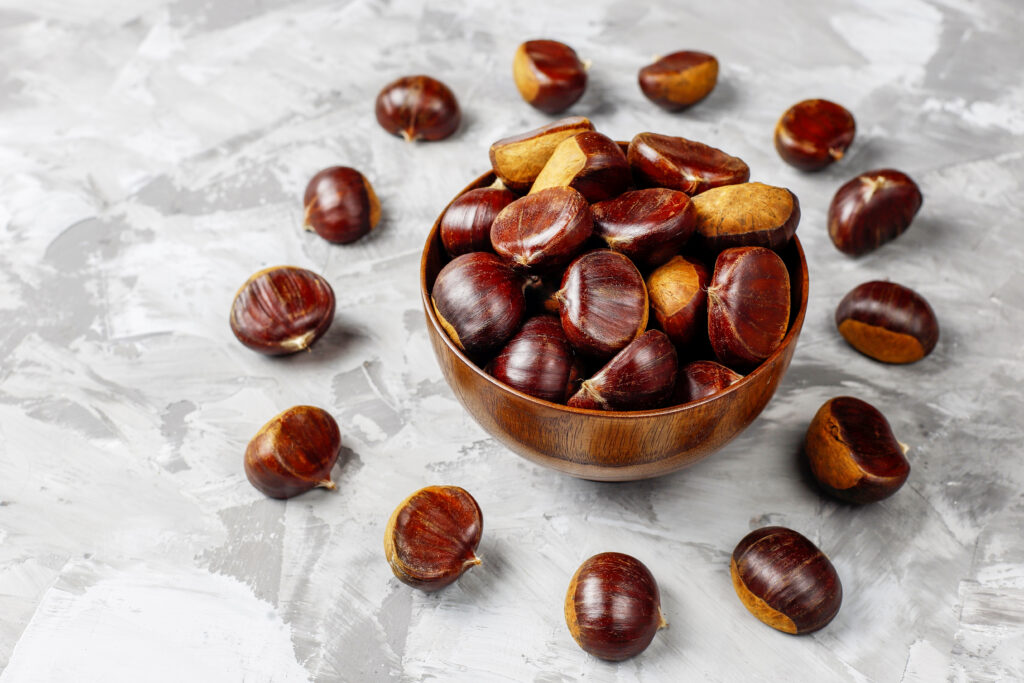
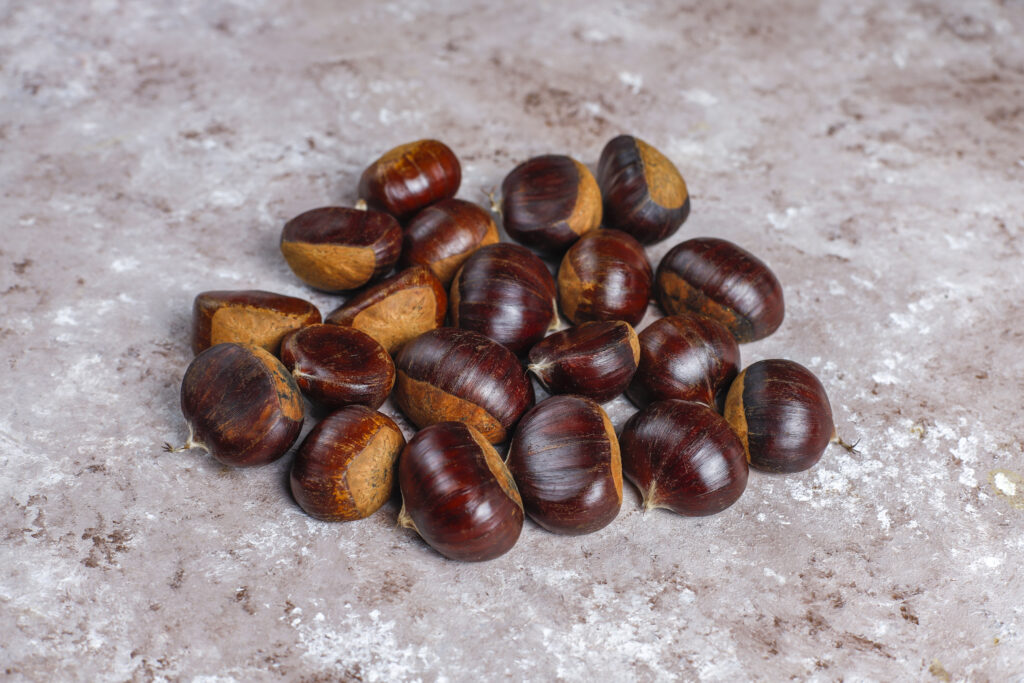
Look for raw chestnuts in grocery stores from October to December, when they’re at their freshest and most nutritious. Choose chestnut benefits that feel heavy for their size with shiny, unblemished shells. Avoid any with visible mold or that rattle when shaken (which indicates they’ve dried out).
Fresh chestnut benefits are highly perishable and should be stored in the refrigerator in a perforated plastic bag, where they’ll keep for a few weeks. For longer storage, you can freeze them in their shells for up to six months.
Preparation Methods
The amount of tannins in raw chestnuts is high, which is why most people prefer to cook them before eating. These are the common ways in which a chestnut preparation of methods:
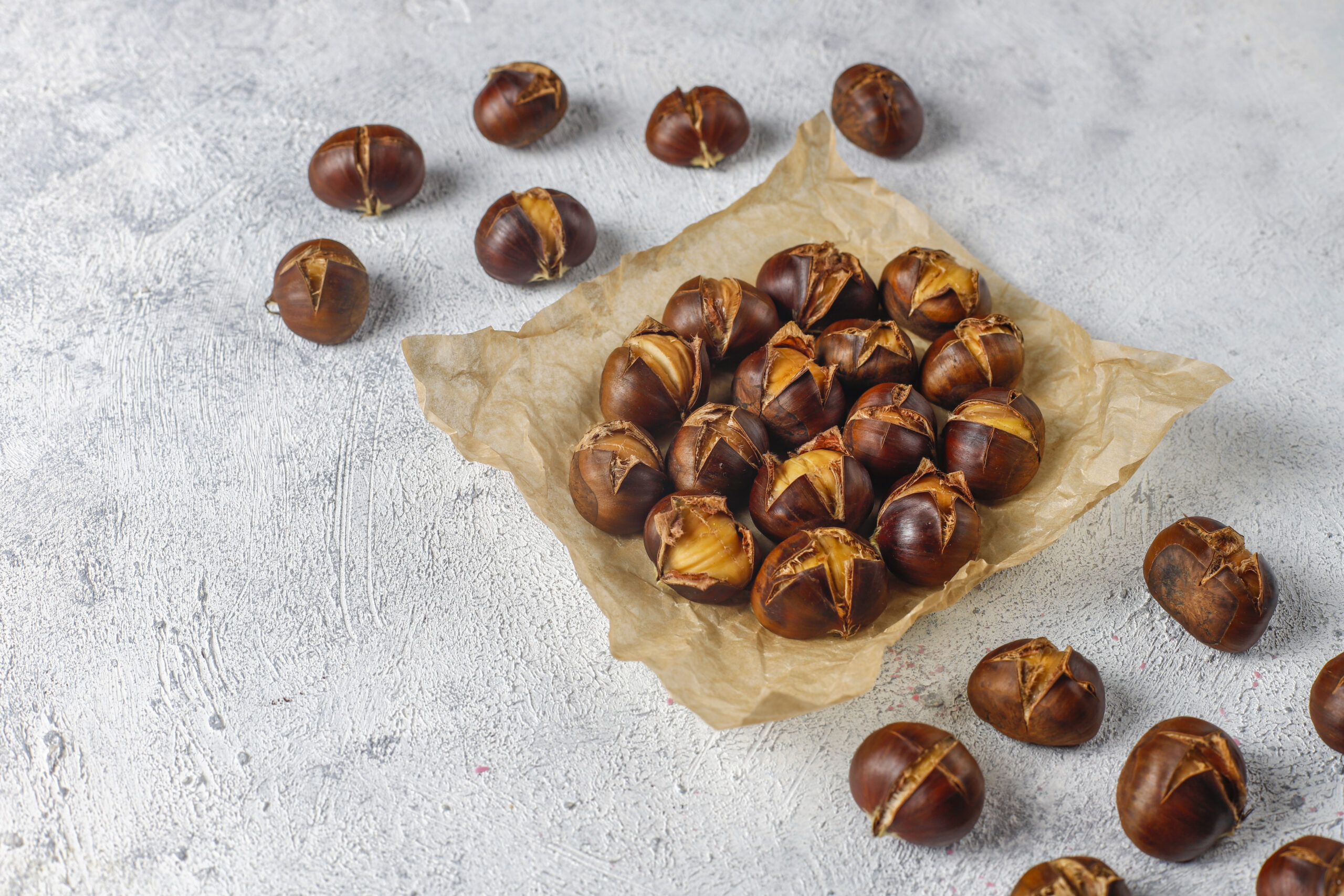
Roasting:
- Preheat oven to 400°F (200°C)
- Make a small slit in the flat side of each chestnut to prevent exploding
- Arrange in a single layer on a baking sheets to bake
- Roast for 20-30 minutes until the balls open
- Peel while still warm
Boiling:
1. Make a small incision in each chestnut
2. Keep it in a small pan and boil it and peel.
3. Reduce the heat and cook on low flame for about 30 minutes.
4. Drain and peel while warm
In comparison to roasted chestnut, boiled chestnut benefits are more nutritious and yet they contain slightly less calories (120 calories per 100 grams, 190 calories for roasted ones), the same amount is obtained from the main form.
Culinary Uses
Chestnut benefits are incredibly versatile in the kitchen. Their mild, slightly sweet flavor and soft texture work well in both savory and sweet dishes. Analysis of 266 chestnut recipes found they’re most frequently used in main dishes with meat (26.3%) and in desserts (24.4%).
Some popular ways to enjoy chestnuts include and consume chestnut benefits:
- Puréed and added to pancakes or crepes
- Instead of croutons on salads
- Sprinkled on baked squash dishes
- In stuffings, soups, and stews
- As flour in baked goods like pound cakes
- Candied as marron glacé
- In Asian dishes like Japanese kuri gohan (chestnut rice)
Table: Nutrient Changes in Chestnuts Based on Cooking Method (per 100g)
| Cooking Method | Calories | Protein (g) | Carbs (g) | Vitamin C (mg) |
| Raw | 196 | 1.63 | 44.2 | 40.2 |
| Roasted | 245 | 3.17 | 53 | 26 |
| Boiled | 131 | 2 | 27.8 | 26.7 |
Potential Considerations and Who Should Be Cautious
While chestnuts are safe for most people, there are a few things to keep in mind:
- Tannic acid content: Raw chestnuts contain tannic acid, which may cause stomach irritation, nausea, or liver damage in people with liver disease or kidney problems.
- Allergies: Though less common than allergies to other nuts, some people may be allergic to chestnuts despite tolerating peanuts and tree nuts.
- Diabetes concern: While chestnut benefits can help with blood sugar control due to their fiber content, they are relatively high in carbohydrates. People with diabetes should consume them in moderation and monitor their blood sugar response.
- Digestive sensitivity: Some people may experience digestive discomfort from chestnut benefits, especially if consumed in large quantities.
Conclusion
Chestnut benefits are far more than just a seasonal novelty—they’re a nutritionally unique food with impressive health benefits. From supporting heart health and digestion to providing antioxidant protection and blood sugar regulation, these humble nuts deserve a regular place in our diets year-round.
Their versatility in the kitchen—from savory stuffings to gluten-free baked goods—makes them easy to incorporate into various dishes. Whether you roast them for a snack, use them in stuffings, or experiment with chestnut flour in your baking, you’ll be adding not just flavor but substantial nutritional value to your meals.
So the next time you see chestnuts at your grocery store or farmers market, don’t reserve them just for holiday celebrations. Embrace them as a regular part of your healthy eating pattern and enjoy both their delicious flavor and their numerous chestnut benefits of health.
Disclaimer: The information provided on this website is for general educational and awareness purposes only. It should not be considered a substitute for professional medical advice, diagnosis, or treatment. Always consult your doctor or a qualified healthcare professional before making any changes to your diet, medication, or health routine. The author and website are not responsible for any outcomes resulting for the use of this information.
Are chestnuts good for weight loss?
Yes, chestnuts can be a beneficial part of a weight management plan. They are significantly lower in fat and calories than most other nuts like almonds or walnuts. Their high fiber and complex carbohydrate content promotes feelings of fullness and satiety, which can help you eat less overall. Just be mindful of portion sizes, as they still contain calories.
How are chestnuts different from other nuts?
Chestnuts are nutritionally unique. Unlike fatty tree nuts, they are:
Low in fat: They contain less than 1 gram of fat per ounce.
High in complex carbs: They act more like a whole grain.
Rich in Vitamin C: This is extremely rare for a nut, with a 1-ounce serving providing a good portion of your daily needs.
A good source of fiber: Which supports digestive and heart health.
Can people with diabetes eat chestnuts?
Yes, in moderation. Despite their carb content, chestnuts have a low glycemic index (GI of 54), meaning they don’t cause sharp spikes in blood sugar. The high fiber content helps slow the absorption of sugars. However, because they are carbohydrate-dense, individuals with diabetes should monitor their portion sizes and blood sugar response when adding them to their diet.
How do you prepare and cook chestnuts?
It’s crucial to cook chestnuts, as raw ones contain tannins that can cause stomach discomfort. Always score an “X” on the flat side with a knife before cooking to prevent them from exploding.
Roasting: Bake at 400°F (200°C) for 20-30 minutes until the shells peel back.
Boiling: Simmer in water for about 30 minutes until tender.
Both methods enhance their sweet, nutty flavor and make them easier to digest.
Are chestnuts gluten-free?
Absolutely. Whole chestnuts and pure chestnut flour are naturally gluten-free, making them an excellent nutrient-dense alternative for individuals with celiac disease or gluten sensitivity. Chestnut flour is a fantastic way to add nutritional value to gluten-free baking.
1 thought on “Chestnut Benefits”