
Table of Contents
You may have considered the question alluded to in the title regarding the nutritional benefits of dry coconut; however, have you ever thought about why the coconut is revered as a “Tree of Life” by many cultural traditions? As far back as recorded history, the Coconuts have provided Food (Sustenance), Water (Hydration), Shelter (Building Materials), etc.
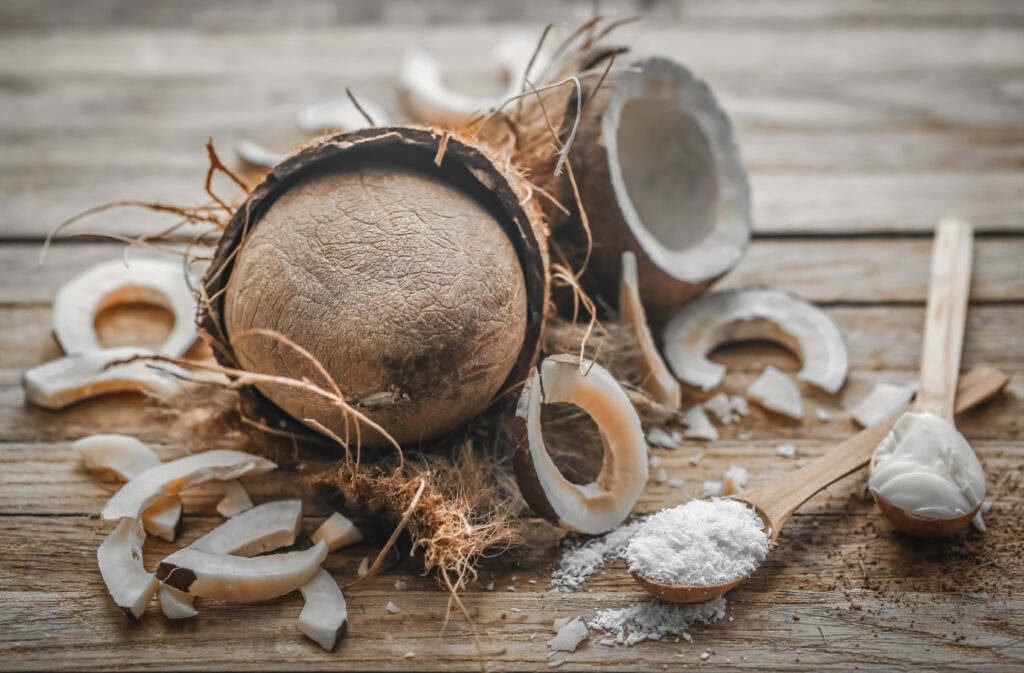
Although the taste and smell of the Coconut are delicious in baked goods and Coconut Curries, there are many other benefits to the Dry Coconut. Dry Coconut is made from the Drying and Grating of mature coconuts. Dry Coconut is full of nutrients that benefit every organ in your body. Let’s review some reasons that Dry Coconut should be in your pantry!
Dry Coconut
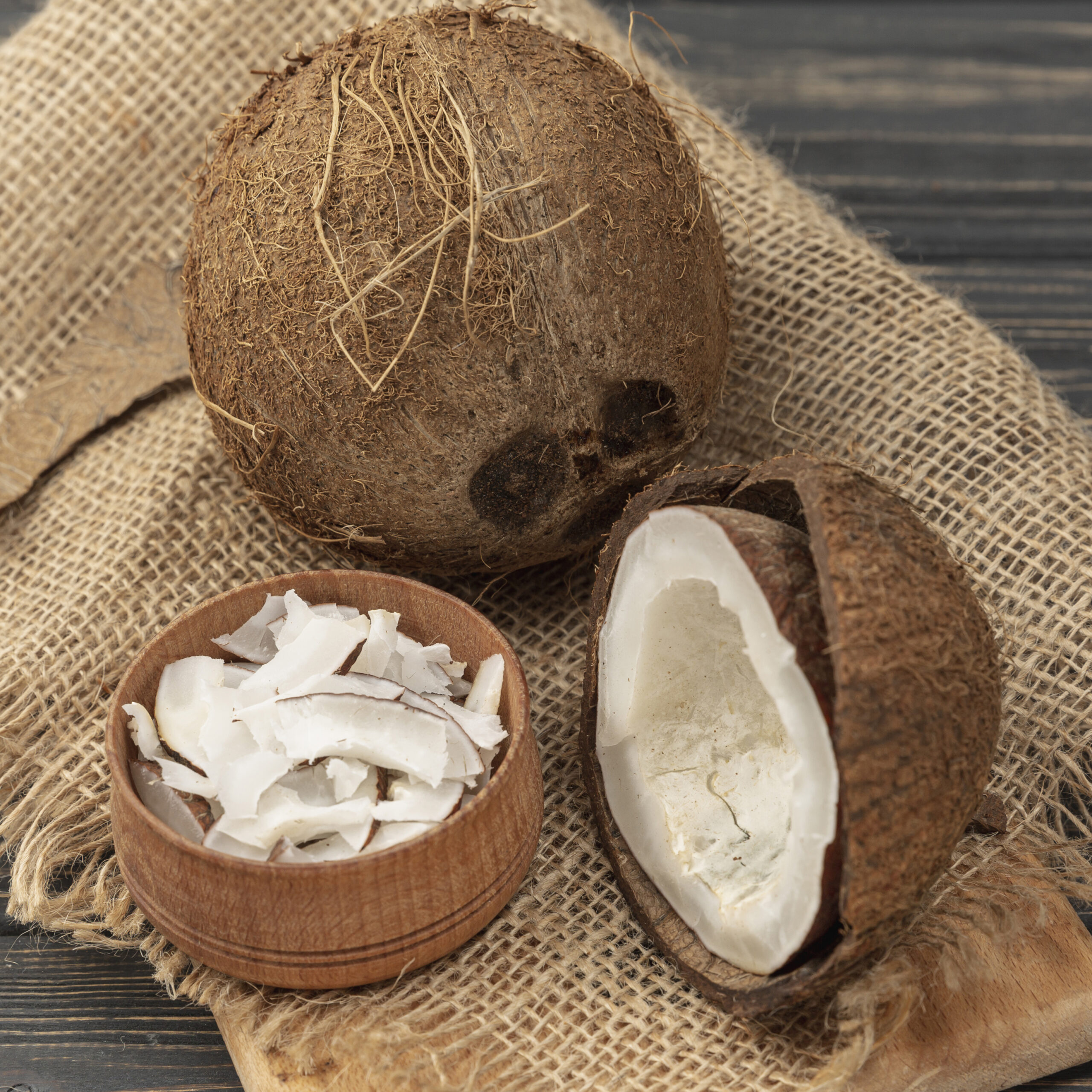
Desiccated coconuts or dried coconuts are nothing but grated/dried(closed-pressed) coconut (mature coconut). Normal fresh coconuts (coconuts with more moisture) tend to have less concentrated coconut flavor and nutrient value than dried coconuts. The dried coconut will taste like coconut but will have the same texture and feel as today’s shredded coconut flakes.
Coconut is botanically classified as a drupe of a fruit, as a ‘drup’ means fruit in modern scientific nomenclature, consisting of the inner meat seed being encased by a fibrous hull.
The coconut’s history dates back over 3000 years in Malaysia & Indonesia, where the coconut started its journey. Coconut(s) now support over 1/3 of the world’s population, providing a vital food source and economic contributor for the tropics.
Dry Coconut Benefits
1. Quick, Long-Lasting Source of Energy
Medium-chain triglycerides (MCTs), the type of fat found in dry coconuts, are a quick and long-lasting source of energy for athletes and anyone needing an energy boost. These fats are easily absorbed by your body and metabolised by your liver rather than being stored as fat, making them a great source of energy for people needing a quick energy boost.
Dry coconuts are an ideal source of MCT fats for athletes; therefore, they should always be part of an athlete’s diet.
2. Supports Brain Health and Function
In addition to providing a quick source of energy for athletes and anyone in need of a quick energy boost, MCTs from dry coconuts may offer neuroprotective properties and support brain health. They have been associated with promoting healthy brain function by providing essential elements needed for the production of neurotransmitters and myelin, which protect and ensure the efficient transmission of signals within neurons.
Some studies have shown MCTs from dry coconuts may help slow down the progression of Alzheimer’s disease and improve cognitive function in those afflicted by it.
3. Supports heart health.
While coconut is high in saturated fats, the main type of fat in coconut is lauric acid, which studies have shown has the potential to raise the levels of “good” cholesterol and lower the levels of “bad” cholesterol. The balance of these two types of cholesterol, in addition to the high-fiber content of coconut, makes it an excellent source of cardiac health, so it can be consumed as part of a healthy diet.
4. Strengthens bones and connective tissues.
One ounce of dried coconut will provide 38% of the recommended daily allowance of manganese, an important mineral necessary for the formation and maintenance of bone tissue. Copper, which helps form collagen (the protein that makes up the structure of your bones, skin, tendons, and ligaments), is also abundant in dried coconut. The consumption of dried coconut on a regular basis may prevent mineral deficiencies that increase the risk of malnutrition in conditions like osteoporosis and arthritis.
5. Aids digestion and gut health.
Fatty acids provide beneficial effects for digestion and gut health, while dietary fiber-rich foods provide many fiber grams per serving, with 100 grams of dried coconut. Dietary fiber is bulky and provides the body with the materials needed to produce regular bowel movements, as well as acting as a prebiotic, providing energy to beneficial gut bacteria. A healthy gut will not only improve digestion, but it will also support immune function and control inflammation.
6. Helps Regulate Blood Sugar
Although dry coconut has the potential to meet the body’s energy demands due to its high sugar content, it is relatively low in total carbohydrates and therefore does not cause rapid fluctuations in blood glucose levels. The high fiber and fat content of dry coconut slows the digestive process, allowing for more stable blood glucose levels. Additionally, the fiber in dry coconut may enhance insulin sensitivity, and the antioxidants found within coconut exhibit anti-inflammatory properties that may aid in the regulation of blood glucose levels.
7. Boosts Immune Function
Dry coconut contains lauric acid and capric acid, two fatty acids that have been shown to possess antimicrobial properties. The body converts lauric acid into monolaurin, a compound that may exhibit antiviral (influenza and herpes) and antibacterial (Listeria and Helicobacter pylori) properties in research studies. Coconut is also rich in manganese, which helps develop and maintain antioxidant systems within the body; therefore, coconut offers additional support to your immune response overall.
8. Provides Excellent Antioxidant Support
Dry coconut is rich in many types of phenolic compounds, including gallic acid, caffeic acid, salicylic acid, and p-coumaric acid; thus, dry coconut provides your body with an excellent source of antioxidants that neutralize free radicals. The antioxidant activity of dry coconut may help to reduce oxidative stress (a leading contributor to aging and the development of chronic illnesses such as diabetes, cardiovascular disease, and cancer).
9. Supports Skin and Hair Health
Dry coconut’s nourishing fat provides deep hydration to hair and skin. It contains antioxidants, which may help with wound healing, maintain skin moisture and barrier function, and protect against environmental damage. Coconut oil can penetrate the hair shaft and promote hair growth, and prevent dryness.
10. May Aid Weight Management
Calorie-dense, but the MCTs in dry coconut can aid in weight management by increasing feelings of fullness; boosting metabolism; encouraging your body to burn fat for fuel, and a high fiber content promotes satiety, which could decrease the amount of calories consumed.
Read fruits’ beneficial posts- Strawberry, Yellow Watermelon, Amla, Mosambi juice, Sugarcane juice, Guava, Black grapes, Passion fruit, Pear, Bael, Dragon fruit, Apricot, Peach, Plum, Chiku, Kiwi, Papaya, Custard apple, Wood apple, Pineapple, Artichoke, Mangosteen…and more in Health-icon.com.
Dry Coconut Nutrition Facts 100g
Here’s a detailed breakdown of what you get in a 100-gram serving of unsweetened dry coconut:
| Nutrient | Amount | % Daily Value (Approximate) |
| Calories | 660 kcal | 33% (based on 2000-calorie diet) |
| Protein | 7 g | 14% |
| Carbohydrates | 24 g | 9% |
| Fiber | 16 g | 57% |
| Total Fat | 64.5 g | 83% |
| – Saturated Fat | 57 g | 285% |
| Manganese | 2.6 mg | 119% |
| Copper | 0.79 mg | 88% |
| Selenium | 18.8 mcg | 34% |
| Iron | 3.36 mg | 18% |
| Magnesium | 90 mg | 21% |
| Phosphorus | 206 mg | 17% |
| Potassium | 543 mg | 12% |
Note: Daily Values are based on general FDA recommendations for adults.
Dry Coconut Calories
The dried, shredded coconut contains a tremendous amount of calories (660 per 100g). The primary contributor to that high calorie count is a considerable amount of fats (however, those fats are mostly medium-chain triglycerides and therefore heart-healthy). One ounce (28g) serves roughly 185 calories.
If you are counting calories, be conscious of portion sizes. A tablespoon or two of grated dried coconut on top of yogurt or oatmeal adds flavour and additional nutrients without an excessive amount of calories. Keep in mind that dried coconut is calorie-dense; however, it provides long-term energy and may help you to feel fuller for longer periods of time while consuming fewer calories overall.
Dry Coconut Uses
Dry coconut’s versatility in the kitchen is nearly unmatched. Its slightly sweet, nutty flavor and satisfying texture enhance both sweet and savory dishes:
Breakfast Boosters:
- Stir into oatmeal or yogurt
- Blend into smoothies for creaminess
- Mix into pancake or waffle batter
- Sprinkle over chia pudding or fruit salads
Baking Brilliance:
- Add to cookies, muffins, and quick breads
- Use as a topping for cakes and pies
- Incorporate into granola bars and energy bites
- Create coconut macaroons or crusts for cheesecakes
Savory Solutions:
- Toast and sprinkle over curries and stews
- Mix into rice or quinoa dishes
- Use as breading for fish or chicken
- Add to salad dressings or chutneys
- Incorporate into veggie burger patties
Global Inspirations:
- Thai and Indian curries
- Caribbean rice and beans
- Filipino bibingka (rice cake)
- Brazilian quindim (custard)
Dry Coconut Recipes
Coconut Energy Granola
Perfect for breakfast or snacks
Ingredients:
- 6 cups rolled oats
- 1½ cups desiccated coconut
- 1 cup chopped almonds
- 1 cup chopped walnuts
- ½ cup maple syrup
- ½ cup melted coconut oil
- 1 teaspoon salt
- 1 cup raisins (added after baking)
Instructions:
- Preheat oven to 250°F (120°C).
- Combine oats, coconut, and nuts in a large bowl.
- Whisk together maple syrup, coconut oil, and salt.
- Pour wet ingredients over dry and mix thoroughly.
- Spread on a sheet pan and bake for 1 hour and 15 minutes, stirring every 15 minutes.
- Remove from oven, stir in raisins, and let cool completely before storing.
Quick Mango Coconut Pudding
A tropical dessert ready in minutes
Ingredients:
- 2 ripe mangoes, peeled and chopped
- Juice from ¼ lime
- Desiccated coconut for topping
- Chopped pecans for topping
Instructions:
- Blend mangoes and lime juice until smooth.
- Divide into serving cups.
- Top with generous sprinkles of desiccated coconut and pecans.
- Chill for 30 minutes before serving.
Homemade Coconut Milk
Dairy-free alternative for cooking and drinking
Ingredients:
- 2 cups desiccated coconut
- 4 cups hot water (not boiling)
Instructions:
- Combine coconut and hot water in a blender.
- Blend on high for 2-3 minutes until creamy.
- Strain through a mesh colander, then squeeze through a thin cotton towel to extract all liquid.
- Store in refrigerator for up to 4 days.
Disadvantages of Dry Coconut
On the whole, dry coconut has many health benefits; however, it is not suitable for all individuals. Check out the following factors to help you determine whether dry coconut is right for you:
Saturated Fats – Dry coconut contains more than 57 calories worth of saturated fat per 100g serving (MCTs from coconut differ from other types of saturated fats). You should refrain from consuming dry coconut if you are genetically predisposed to having problems with your cholesterol level or if you are already experiencing any heart disease.
High Caloric Density – Large amounts of dry coconut can be consumed without you realizing how much caloric intake you have had. Practicing portion control while eating dry coconut is important, especially for individuals who are watching their weight.
Digestive Issues – Some people may develop feelings of bloating and gas, or suffer from diarrhea when eating coconut products for the following reasons:
- High-fat foods and drinks would put gallbladder sufferers and fat malabsorbers in a difficult position. Learn about how to manage their diet safely.
- People with fructose intolerance cannot enjoy coconuts because they are high in natural sugars.
- Certain over-the-counter coconut products contain thickening agents as additives.
Sugar in Dried Coconut Products (often marketed as sweetened shredded coconut): A 1-cup serving of sweetened dried coconut may contain over 40 g of added sugars; this is much greater than the AHA’s recommended maximum daily intake of 24 to 36 g of added sugars. Always choose unsweetened products.
Coconut Allergies: Although coconut allergies are rare, some individuals can develop allergic reactions (skin rashes and difficulty breathing) to coconut products. Anyone who has an allergy to Arecaceae plants (coconut oil is also derived from this plant) should not consume coconut products.
Blood Sugar Medication Interactions: Coconut may reduce your blood sugar levels and potentially interfere with any other blood sugar medications you might be taking.
Surgical issues should be considered, as coconuts may cause problems controlling the blood glucose level during and after surgery, so it is recommended to stop eating them at least 14 days before the procedure.
How to Incorporate into Your Diet
To maximize benefits and minimize potential problems with the use of coconut oil:
1. Initial amounts should be small (1-2 tablespoons of coconut oil daily) and then can be increased gradually if tolerated well.
2. Use only nut oils and not any that are sweetened or contain preservatives.
3. Combine coconut oil with other healthy fats such as olive oil, avocados, and nuts to have a wider range of different types of fatty acids.
4. Pay attention to your entire diet when determining how much coconut oil to consume; if you already consume a lot of other foods that are high in saturated fat, limit your consumption of coconut oil.
5. Only eat what is comfortable and pleasing to your digestive system; if you are having any negative reaction, reduce either the size or frequency of your portion.
Conclusion
Dry coconuts have many nutritional advantages. Coconuts are not just a tropical food, but they are a food full of nutrients that can be helpful for different parts of the body. On account of the unique MCTs (medium-chain triglycerides), fiber, and important minerals contained within Coconuts, the food’s status as a superfood has been deservedly established when used wisely.
Remember that, as with anything else, moderation and balance are the best way to consume dry coconut. By using dry coconut as part of a complete, balanced, and healthy diet, you can enjoy the delicious flavours of dry coconut, yet at the same time enjoy the fantastic health benefits. So why not give Coconut a try by adding it to your next smoothie or by using it on your morning oat breakfast? Your pallet and your body will thank you!
Disclaimer: The information provided on this website is for general educational and awareness purposes only. It should not be considered a substitute for professional medical advice, diagnosis, or treatment. Always consult your doctor or a qualified healthcare professional before making any changes to your diet, medication, or health routine. The author and website are not responsible for any outcomes resulting from the use of this information.
Frequently Asked Questions
Is dried coconut raw, and is it safe?
This is a major concern. Most dried coconut is pasteurized to kill pathogens like Salmonella, a standard industry practice for safety. Truly “raw” dried coconut that hasn’t been heat-treated can pose a contamination risk.
What’s the difference between dried, desiccated, and shredded coconut?
These terms are often used interchangeably. Generally, they all refer to the dried, grated flesh of a mature coconut. The main difference is in the cut or grind size (e.g., fine, medium, flake).
Is dried coconut good for weight loss?
It has two sides. The high fiber and MCTs can promote feelings of fullness and boost metabolism. However, it is very calorie-dense (about 185 calories per ounce), so portion control is essential to avoid consuming excess calories.