
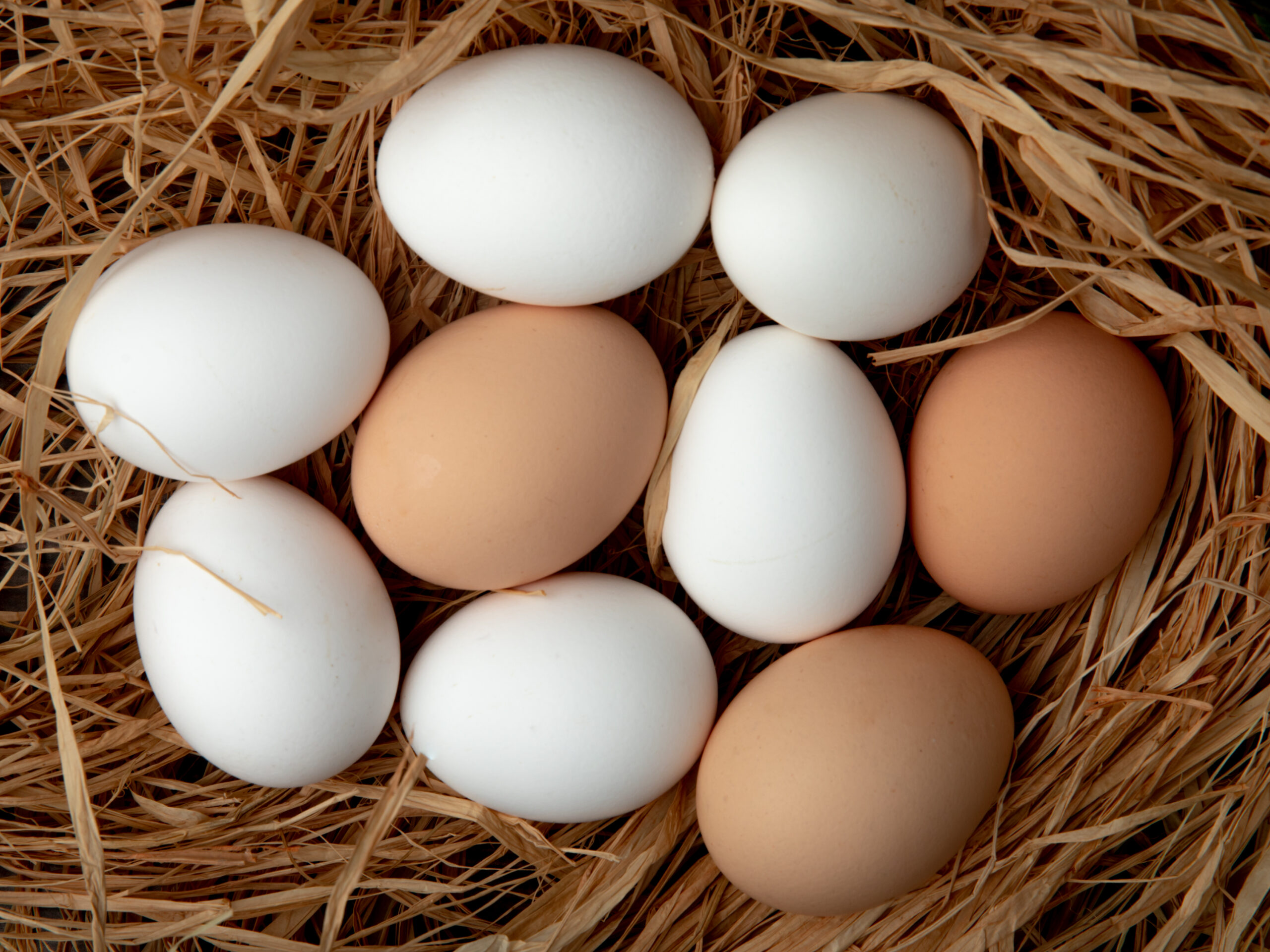
“Egg is veg or non veg?” —This is one of the most searched food questions in India. The question popular in school children and people have become obsessed with fitness and vegetarian people are now feeling confuse about eggs to which category eggs actually belong to. Some people say that eggs are vegetarian because there is no meat in them. Others believe that eggs are obviously non-vegetarian because they come from animals. In restaurants, almost all egg dishes are marked as “Eggitarian”, which creates more confusion.
If you ever think that when you eat at a grocery store or a dining hall, eggs are fitting into your diet, you are not the only one who thinks like this many people think about this question. Arguments do not happen only about food; it is linked to culture, religion, health beliefs and personal values. Well, egg is considered to be one of the most nutritious and useful protein sources available in the world.
Since eggs are rich in Vitamin B12, you can compare them with plant-based options in our article on Vitamin B12 Foods Vegetarian.
In this detailed guide, we will answer all your questions in a clear and practical way or even tell you about the nutrition of eggs:
Table of Contents
Let’s understand everything step by step in simple language.
What is Egg?
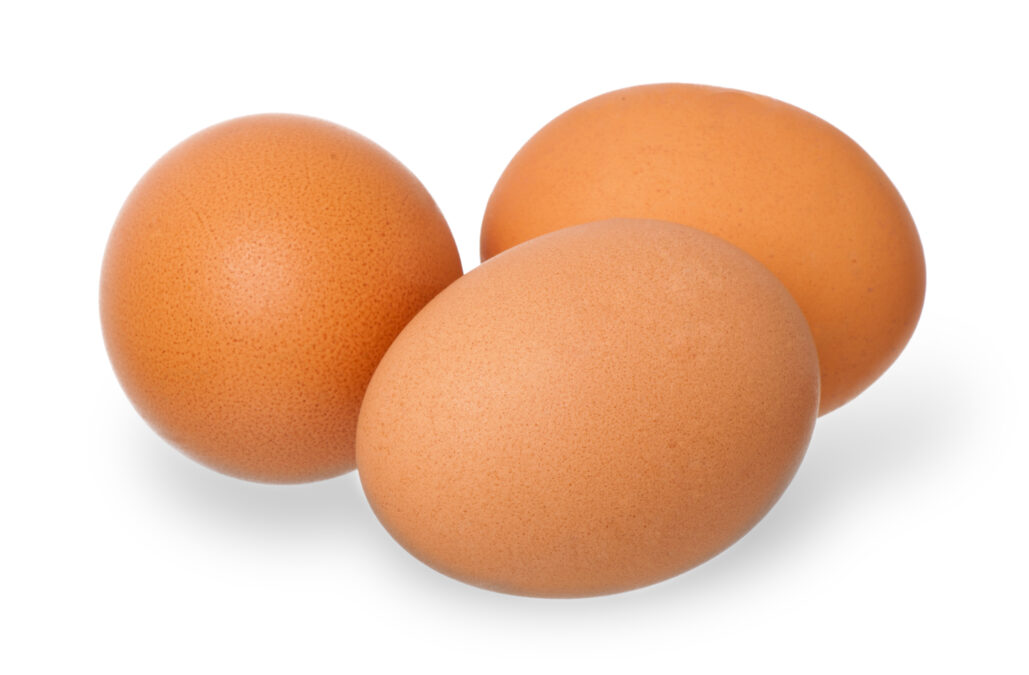
An egg is a natural product; they are typically laid by female birds (most commonly chicken). An egg is usually to serve as a nature to protect and nourish for a developing chick. Most eggs that you eat come from a hen and most eggs sold in the market are never fertilized, meaning that they do not contain any developing baby chick inside them.
An egg in main three parts:
- A shell made of calcium carbonate (hard, outer material)
- Egg white (Albumen) transparent, sticky part that becomes WHITISH when COOKED; it has a good amount of protein
- Egg yolk (the yellow central part) rich in healthy fat, vitamins, and minerals.
Eggs are eaten all over the world; they are affordable, quick to prepare, and have a high nutritional value; they can be boiled, scrambled, fried, poached, and included in many dishes such as cakes, curries, and salads.
In terms of nutrition, an egg represents a “nutrition-wise complete food” because it contains proteins obtained and sources of vitamins B12, D, A, and several minerals (iron, selenium).
However, do eggs constitute vegetarianism? We will this say information in later.
Along with eggs, fermented drinks like those discussed in our Kanji Benefits guide can strengthen immunity naturally.
Boiled Egg Nutrition
Boiled eggs are among the healthiest ways of eating eggs. Boiling they are without adding any cooking oil or butter. Thus, boiled eggs have lower calorie content and retain more nutrients than preserving nutrients.
1 Large Boiled Egg Nutrition (Approx. 50 grams) contains approximately:
- Calories: 68–78 kcal
- Protein: one egg in 6–7 grams
- Fat: one egg in 5 grams
- Carbohydrates: Small amount of 1 gram
- Vitamin B12: Good source
- Vitamin D: Moderate amount
- Selenium: High
- Choline: important source
Boiled eggs contain low amounts of carbohydrates and high amounts of protein. Therefore, boiled eggs are an ideal food choice for:
- Food for weight loss
- Keto diet
- Muscle building
- High-protein breakfast plans
In addition, boiled eggs will keep you feeling satisfied for a longer time, so they will help reduce unnecessary snacking. Because boiled eggs help keep you full, this reason many fitness trainers recommend boiled eggs for breakfast.
Another important nutrient found in eggs is choline. Choline plays important role in the proper functioning of the brain and the liver. Choline is not commonly found in foods, some people do not consume enough choline on a daily basis. Eggs are one of the best natural food sources of choline.
If you are focusing on overall nutrition, you can also explore the powerful health effects explained in our guide on Cinnamon Water Benefits for metabolism and immunity.
1 boiled Egg Protein?
Protein is the most talked-about benefit of eggs. So, how much protein is in 1 egg?
A single large egg contains around 6 to 7 grams of high-quality protein.
Here is a breakdown of the protein content in a single egg:
- Egg white: Around 3.5 to 4 grams
- Egg yolk: Around 2.5 to 3 grams
This protein in egg is considered a complete protein because eggs are one of the only food sources that provide all nine essential amino acids that the human body does not produce.
For comparison:
- 1 egg = almost the same protein as 30 grams of chicken
- 2 eggs = around 12–14 grams protein
- 3 eggs = around 18–21 grams protein
Therefore, an average adult requires 50 – 60 grams of protein per day. As a result, consuming two or three eggs daily helps to fulfill a large amount of the average adult’s protein requirement.
This is the reason that so many people who eggs, including:
- Gym guy and trainers
- Bodybuilders
- Athletes
- Children who are start growth
Egg protein is also easily digestible and has high biological value due to their human body ability to absorbed and use it quickly and effectively.
Eggs are one of the best protein sources, and you can discover more options in our detailed guide on Protein Rich Foods. If you experience digestion issues after eating protein-rich foods, you may benefit from reading about Carom Seeds Benefits for better gut health.
Egg Is Veg or Non Veg?
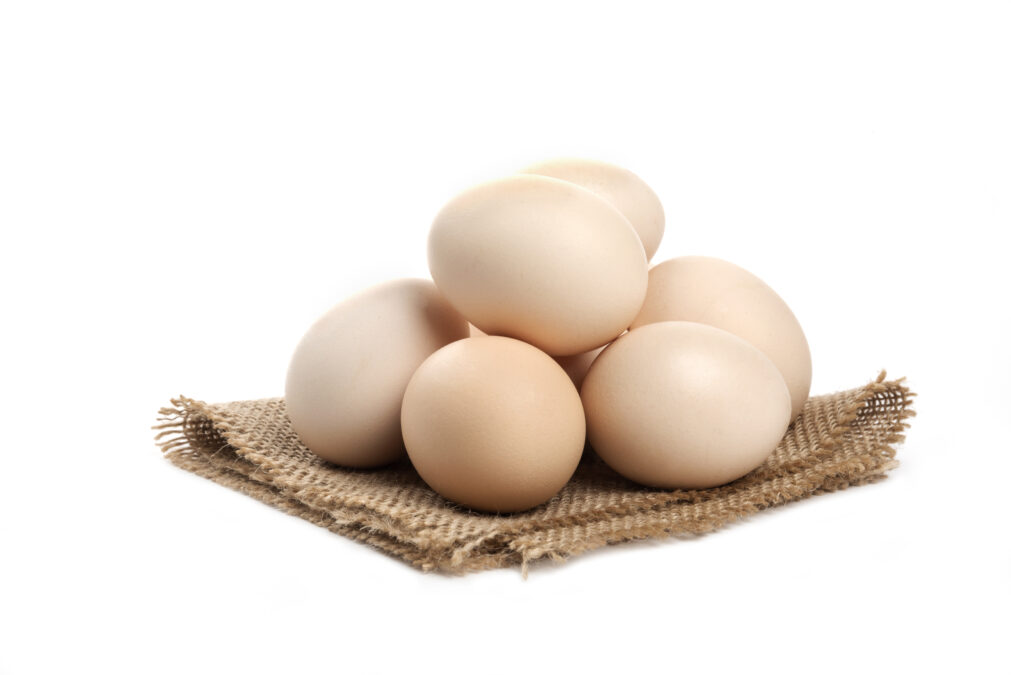
This is the more searchable question. How did eggs become part of the vegetarian/non-vegetarian debate? Let’s analyze this scientifically and logically.
1️⃣ From a Biological Perspective
The biological definition of an egg is that they are animal by-products the egg comes from the hen. In nature, anything produced by an animal is considered non-vegetarian.
So biologically an egg is considered to be a non-vegetarian food or animal by-product.
2️⃣ What About Unfertilized Eggs?
Most eggs available in markets are unfertilized. That’s mean:
- They do not contain a developing baby bird.
- They cannot turn into a chick.
Because of this, some people with this logic behind argue that eggs are vegetarian since they do not contain life.
However, they are still produced by an animal’s reproductive system, which makes them animal-derived food.
3️⃣ Cultural and Religious View
The classification of food items proceeds generally according to cultural beliefs and the way in which one’s religion classifies food:
- Full vegetarians often do not consume any eggs completely.
- Many individuals identify themselves as being “eggetarian”, which refers to an individual who does not eat meat, but they eat eggs.
- Many Schools and restaurants will often label egg dishes separately from pure vegetarian food.
In many Western countries, eggs will generically be considered to be “non-veg,” as they are animal products, and strict vegetarian cannot be consumed.
4️⃣ Final Clear Answer
As an animal product, eggs are generally classified as “non-veg” from a scientific and worldwide perspective.
Many individuals may take into consideration the cultural significance associated with the production of eggs, and will adopt a cultural perspective towards eggs.
So the answer depends on your belief system:
- Science says eggs are Non-veg
- Personal belief system can determine your position on egg consumption.
Egg Yolk vs Egg White
Some people think it is unhealthy to eat the whole egg and remove the yolk; however, let’s look at both the egg white and egg yolk and compare them to one another.
Egg White:
- Protein rich food
- Low calories food source
- Zero food fat
- No cholesterol
Egg Good for:
- Weight loss
- Low-fat diets
- As a high-protein meals
Egg Yolks
- Contains healthy fats
- High in many vitamins A, D, E, and K
- Choline rich food
- Contains cholesterol
The yolk is higher in calories than the egg white, but it does contain most of the vitamins and minerals.
Should You Eat the Egg Yolk?
If you do not have any health problems and do not have any cholesterol issues, eating whole eggs is OK and is probably generally safe. Current research indicates that for people who do not have any health problems or elevated cholesterol, consuming eggs from the diet does not greatly increase your overall blood cholesterol levels due to eggs in your diet for those who do not have cholesterol problems are of no concern.
Eating whole eggs provides better nutrition than compared consuming only egg whites.
For those managing weight and cholesterol, reading our detailed post on Fenugreek Seeds Water Benefits can provide additional dietary support tips.
Best Time to Eat Egg

Generally, when you eat eggs will determine how beneficial they can be. The following is the best guideline for times to eat eggs:
🥚In the morning (The best time to eat egg).
Eating eggs at breakfast will help you:
- Improve your energy level with daily diet
- Help you feel fuller longer
- Decrease cravings
- Help in your weight loss diet journey
By eating eggs for breakfast (especially with a high-protein source), you will improve your mental focus and productivity.
🏋After workout.
After exercising, eating eggs will help:
- Recover your muscles
- Produce protein
- Build gain strong muscle
🌙At night.
If eggs do not cause digestive issues for you, you can eat them at night. However, some people feel that eggs are heavy in their stomach if eaten too close to bedtime.
Final Tip
The best times to eat eggs: in the morning or after exercising.
FAQs
Is egg vegetarian or non vegetarian?
Scientifically, eggs are considered non-vegetarian because they are animal products. However, some people consider unfertilized eggs as vegetarian based on personal beliefs.
Are unfertilized eggs non-veg?
Yes, unfertilized eggs are still classified as non-vegetarian because they come from hens, even though they do not contain a developing chick.
How much protein is in one egg?
One large egg contains approximately 6 to 7 grams of high-quality protein, including all essential amino acids.
Is eating eggs daily safe?
For most healthy individuals, eating 1–2 eggs daily is safe and provides essential nutrients. People with medical conditions should consult a doctor.
Is egg yolk bad for cholesterol?
Egg yolk contains cholesterol, but research shows moderate egg consumption does not significantly raise cholesterol in healthy people.
Conclusion
There’s no doubt that eggs are one of the world’s most nutritious, affordable, and versatile food sources. Eggs provide high quality protein, the most essential vitamins, healthy fats, and important nutrients like choline and selenium.
Here are a few egg nutrition facts to keep in mind:
- An average sized egg will contain around 6 – 7 grams of protein.
- A medium boiled egg has around 70 calories.
- Egg whites contain a very high proportion of protein.
- Egg yolks contain the majority of vitamins and minerals.
- The best time to eat eggs is either first thing in the morning or after working out.
- Eggs are classified as a non-vegetarian food.
So ultimately whether to consume eggs as a part of your diet comes down to your own beliefs, cultural values, and health and wellness goals.
If your goal is improved nutrition, adding muscle, maintaining a healthy weight, or simply improving your overall health, eggs may be a great fit for you and your daily diet.
Now you have the evidence to be able to answer “Is an egg vegetarian or non-vegetarian?” using specific facts, rather than confusion about what that answer may be.
Disclaimer: The information provided on this website is for general educational and awareness purposes only. It should not be considered a substitute for professional medical advice, diagnosis, or treatment. Always consult your doctor or a qualified healthcare professional before making any changes to your diet, medication, or health routine. The author and website are not responsible for any outcomes resulting from the use of this information.