
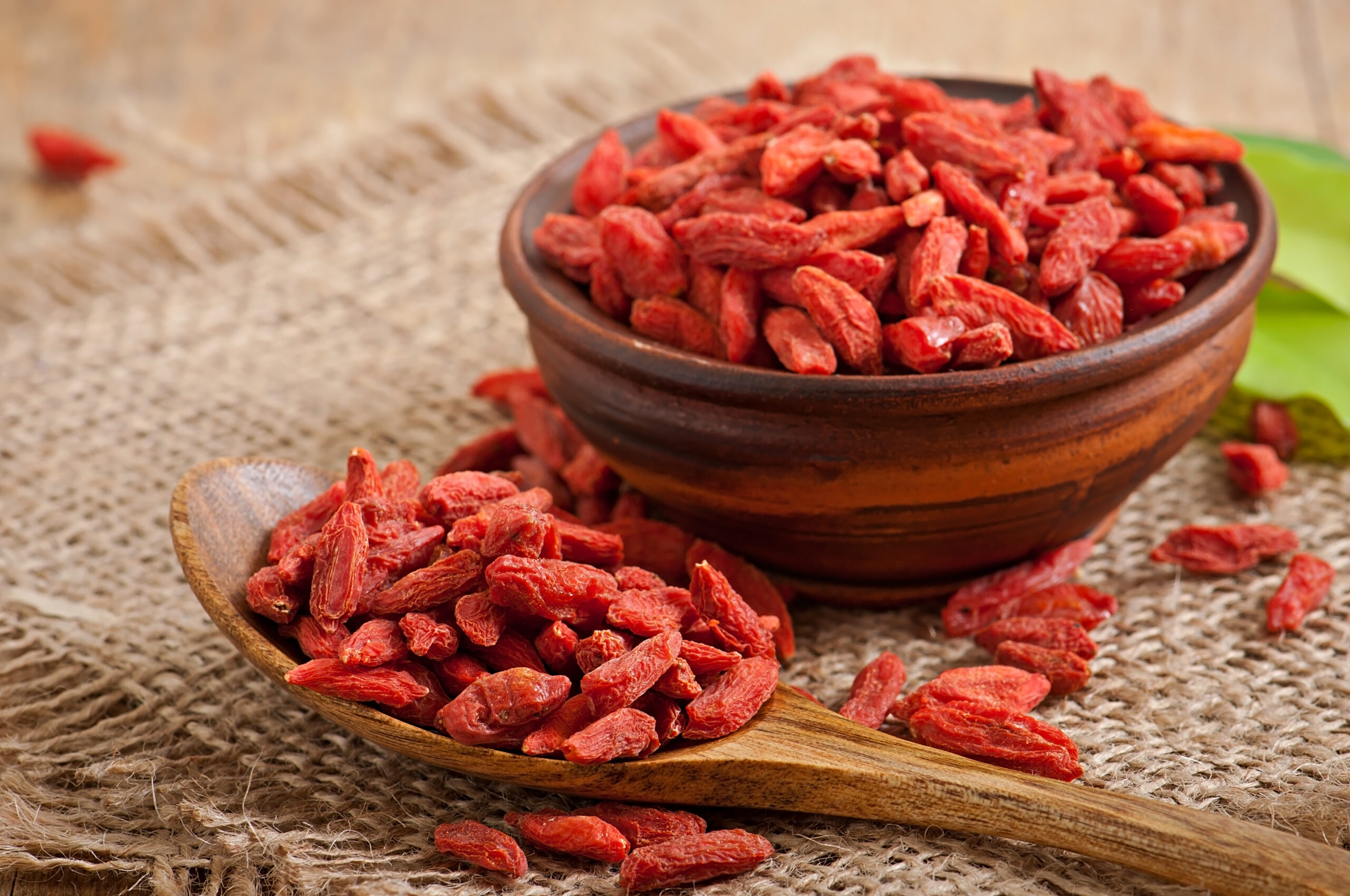
Goji berry, a long time ago, a bright red berry was included in the Dàgōng Púyào or pharmacopoeia of traditional Chinese medicine (TCM). We now have the ability to scientifically prove what healers from centuries ago already knew-Gogi berry benefits are incredible nutrition sources. In the west, wolfberry is other technical name, another name for the fruit is superfruit. But what makes this tangy red berry so special?
Ranging the supports germane to findings on goji berry benefits are scientific studies that support the broadest benefits, but also in the nutritional profile of the berry, then get down to ideas to consume through your diet. You may be thinking about improving your dietary immune health system, protecting your eye sight, or just nourishing a staple in your diet that is good for you; either way that goji berries are something that need to take up space in your cupboard.
Read this useful posts- Mangosteen fruit benefits, Rambutan fruit benefits, Avocado benefits, Longan fruit benefits.
Table of Contents
What Is Goji Berry?
Goji berries are produced by shrubs of the species Lycium barbarum and Lycium chinense, which are native to China. For thousands of years, they have been included in traditional medicinal practices for enhancing feelings of health and long life. They were often thought of as a restorative for the liver, kidneys, eyes, and lungs. These little, bright red berries have a mildly sweet, slightly tart, and somewhat woody flavor that makes them useful for numerous food applications ranging from sweet smoothies to savory stir fry preparations.
In the past thirty or so years, goji berries have moved beyond the borders of Asia to become a “superfood” used throughout the world. They are most common in their dried form, but they can also be found in juices, powders, and pills. Their widespread popularity can be attributed to their incredible concentration and variety in their nutritional properties.
Goji Berry Nutrition
One of the most beneficial things about goji berries is their unique nutritional density. They are full of vitamins, minerals, and powerful plant substances; all of this for relatively few calories.
Below is a summary of the nutrients found in a standard serving of goji berries (roughly 3 tbsp, or 17 g):
| Nutrient | Amount per Serving (17g Dried) | % Daily Value (DV) |
| Calories | 59 | – |
| Protein | 2.4 g | – |
| Carbohydrates | 13 g | – |
| Fiber | 2.2 g | – |
| Sugars | 7.7 g | – |
| Vitamin A | – | 250% |
| Vitamin C | 8 mg | 9-11% |
| Iron | – | 11% |
*Note: Daily Value is based on a 2000-calorie diet and are approximations, the value can be different by age and gender.
Goji berry benefits can be defined as a strong source of antioxidant pigments such as zeaxanthin, the bright red-orange pigment associated with goji berries, and any number of polyphenols and polysaccharides unique to the fruit. They also contain all 8 essential amino acids and are one of the few fruits that offer a complete protein.
Goji Berry Benefits
The unique combination of nutrients in goji berry benefits translates into a wide array of health benefits. Here are ten of the most notable ones:
1. Boosts Immune Function
Goji berry benefits have a long history of use for preventing illness, and research has confirmed this use in current times. A study with 60 older subjects showed that consumption of goji berry juice for 30 days was associated with a statistically-significant increase in immune cells and subjects reported an improved sense of well-being after daily consumption of the juice. The modulating effects on the immune system are largely due to the polysaccharides found specifically in the goji berry.
2. Protects and Supports Eye Health
Goji berry benefits are exceptional for eye health. They contain very high levels of antioxidants especially the carotenoid zeaxanthin, which is present in a concentrated form in the retina of the eye. Zeaxanthin protects the retina against damaging blue light and oxidative stress, and these factors contribute to age-related macular degeneration (AMD). In one study, it was reported that older adults with early AMD who consumed goji berry benefits increased the density of protective macular pigment after consuming goji berries daily, which could slow progression of the disease.
3. Supports Metabolic and Blood Sugar Health
Recent research indicates that goji berry benefits may have a positive effect on our metabolic health. A clinical trial involving individuals with type 2 diabetes observed that supplementation with goji berry benefits helped stabilize glucose and insulin levels, and stated there were “remarkable protective effects” against the disease. Polysaccharides contained in goji berries may increase insulin sensitivity and moderate blood sugar spikes.
4. Provides Potent Antioxidant Protection
Goji berry benefits are believed to possess one of the highest capacities for antioxidant activity of any commonly dried fruit. Goji berry benefits are believed to have antioxidant activity five times that of raisins, and behind only pomegranate seeds and barberries. Antioxidants function to neutralize free radicals, which are unstable molecules that cause cellular oxidative stress and damage. By neutralizing free radicals antioxidants in goji berry benefits provide a degree of protection against chronic disease and help slow the signs of aging.
5. Encourages Healthy, Youthful Skin.
Goji berry benefits also have skin benefits associated with their consumption. The berry’s high content of vitamin C plays a critical role in collagen production, the protein that helps skin maintain firmness and elasticity. In addition, the antioxidant compounds in goji berry benefits help protect skin cells from UV-related damage and oxidative stress, both of which can lead to premature skin aging, such as fine lines and wrinkles. The fatty acids and amino acids help fortify the skin’s natural barrier for improved hydration and overall skin health.
6. May Improve Cholesterol Levels.
Goji berry benefits may also make a good, heart-healthy choice for snacks. Goji berry benefits are high in soluble fiber, which has been shown to help lower levels of “bad” LDL cholesterol throughout the body. Some studies suggest that goji berry benefits may even increase levels of “good” HDL cholesterol in patients with diabetes, effectively promoting cardiovascular health through a dual mechanism.
7. Promotes a Healthier Gut
The fiber and polysaccharides present in goji berry benefits serve as prebiotics that can support gut health by stimulating beneficial gut bacteria (e.g. Bifidobacteria and butyrate-producing bacteria), which are crucial for digestion, lower inflammation and general gut health.
8. May Help with Weight Management
With a low glycemic index (GI of 29) and a fair amount of fiber, goji berry benefits make a satisfying snack for eating fewer calories. The fiber increases satiety, which can lower calories, but the GI is low enough that you won’t experience huge spikes and crashes in blood sugar that can lead to cravings.
9. Improves Physical Activity and Recovery
Some evidence has demonstrated that goji berry benefits can be used to improve physical activity. The antioxidants contained in goji berry benefits help to mitigate exercise-induced oxidative stress and inflammation, resulting in lower muscle damage and faster recovery. One study found that regular consumption of goji berry juice regardless of athletic condition elevated the energy and sense of well-being in participants.
10. May Help with Risk Reduction for Cancer
Though further research is required, preliminary evidence has shown that the goji berry benefits high antioxidant capacity leads to a reduced risk for several types of cancer. Antioxidants such as vitamin C limit free radicals and the damage to cells caused by those free radicals which leads to cancer. Sufficient amounts of vitamin C from fruit and vegetables were associated with decreased risk for lung, breast, and stomach cancer.
Goji Berry Taste and How to Use in Your Diet
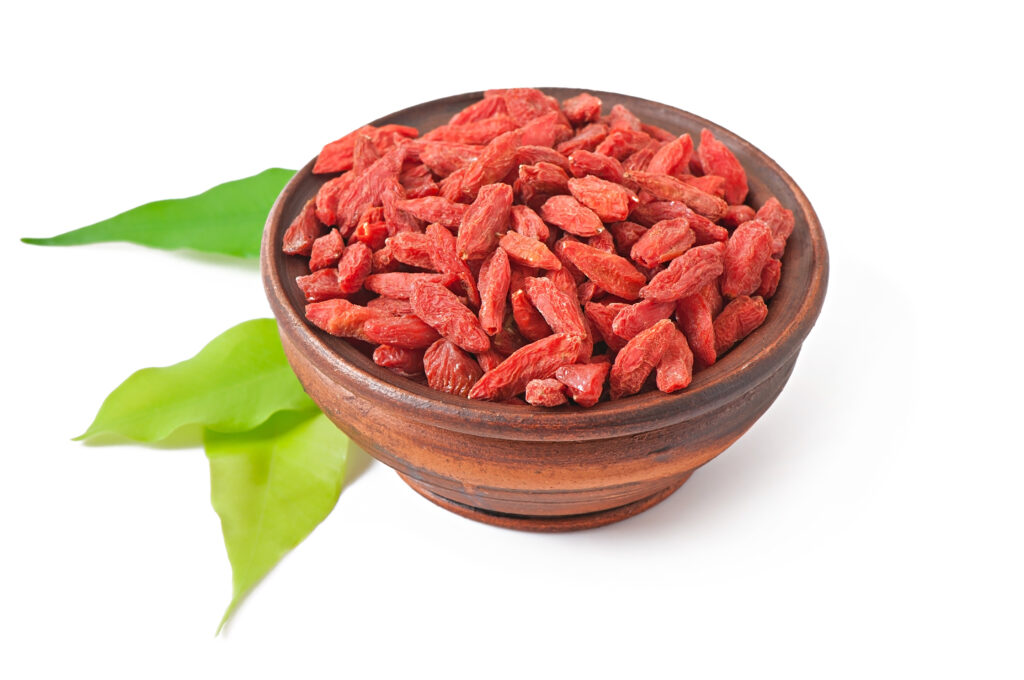
If you’re wondering what goji berries taste like, expect a unique flavor profile that is mildly sweet and tangy with a subtle woody or bitter finish. Their chewy texture is similar to a raisin but slightly tougher.
The good news is that incorporating goji berries into your diet and consume goji berry benefits is simple and delicious. Here are a few ideas:
- Dried and Raw: The most common form, dried goji berries make for a great snack on their own. You can also toss them into trail mix, granola, oatmeal, or yogurt.
- Rehydrated: Soak dried goji berries in warm water for 10-15 minutes to soften them. Add the rehydrated berries to salsas, salads, stir-fries, and soups.
- In Smoothies and Baked Goods: Blend dried goji berries or goji powder directly into your smoothies for a nutrient boost. They can also be mixed into muffin, cookie, or energy ball recipes.
- As a Tea: You can steep dried goji berries in hot water for 5-10 minutes to make a simple, healthful tea.
Goji Berry Plant
For the gardening enthusiasts, growing your own goji berries can be a rewarding experience. Goji plants (Lycium barbarum) are hardy, deciduous shrubs that thrive in USDA zones 3 to 9. They are drought-tolerant, disease-resistant, and can be grown in the ground or in containers.
Key Growing Tips:
- Sunlight: Plant in full sun for the best fruit production.
- Soil: They prefer well-drained, neutral to slightly alkaline soil (pH 6.5 to 8.0). Avoid waterlogged conditions.
- Watering: Water regularly during the first year to establish a deep root system. Once established, they are quite drought-tolerant.
- Pruning: Prune in late winter to encourage new growth, as fruit forms on the current year’s wood. Pinching off the tips of branches in summer can encourage more lateral growth and, therefore, more fruit.
- Harvesting: Plants typically begin bearing fruit in their second year. Harvest the bright red berries by hand in mid-to-late summer when they are fully colored.
Goji Berry Side Effects
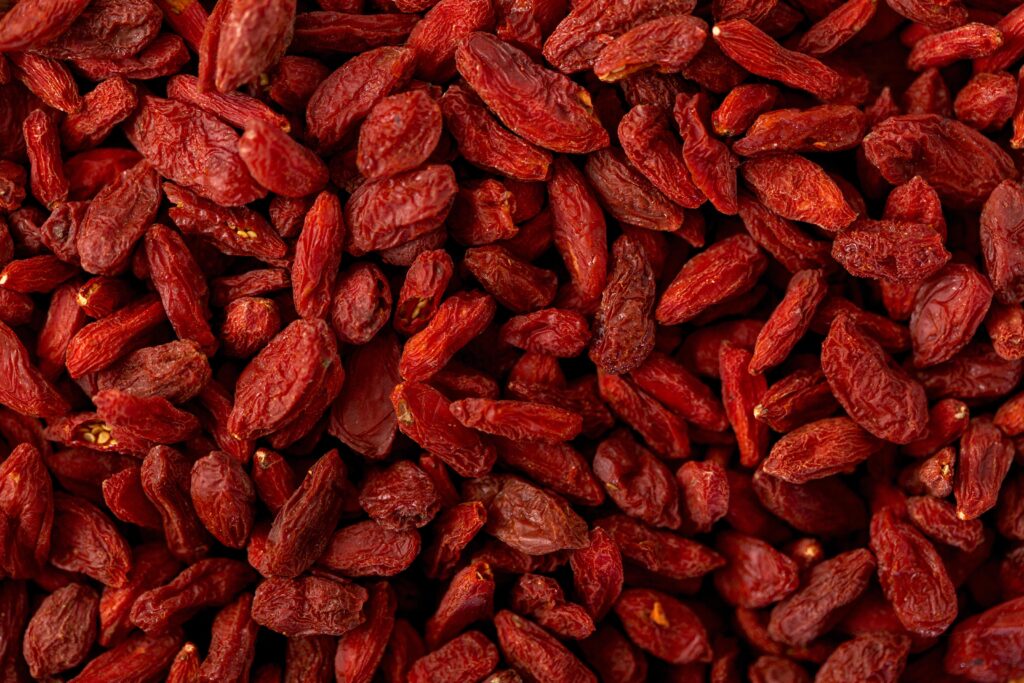
While goji berries are safe for most people when consumed in moderation as food, there are some important precautions to consider.
- Allergies: Individuals allergic to other berries or nightshade plants (like tomatoes, peppers, and eggplants) may also be allergic to goji berries. Allergies in include skin rashes, itching, or gastrointestinal discomfort.
- Drug Interactions: Goji berries may target with medications. They can potentially enhance the effects of blood thinners like warfarin, increasing the risk of bleeding They may also interact with drugs for diabetes and high blood pressure, so consultation with a doctor is crucial if you are on such medications.
- Pregnancy and Breastfeeding: Due to a lack of safety data, it is often recommended that pregnant and breastfeeding women avoid supplementing with goji berries.
Final Thoughts
The goji berry benefits truly deserves its superfood status by not only boosting your immune system and supporting your vision, but also aiding your skin and metabolism. This ancient fruit is validated by modern research, offering a simple and delicious way to substantially improve your nutrition.
Consider putting a handful of these powerful red berries into your next meal. Your journey to unlocking the incredible health benefits of goji berries begins with one delicious, tart-sweet bite.
Disclaimer: The information provided on this website is for general educational and awareness purposes only. It should not be considered a substitute for professional medical advice, diagnosis, or treatment. Always consult your doctor or a qualified healthcare professional before making any changes to your diet, medication, or health routine. The author and website are not responsible for any outcomes resulting for the use of this information.
FAQs
How many goji berries should I eat in a day?
A typical serving size is about 1-2 tablespoons (10-15 grams) of dried goji berries. This provides a potent dose of antioxidants and nutrients without overdoing the natural sugars. As with any food, moderation is key. It’s best to start with a small amount to see how your body reacts.
Can I eat raw, fresh goji berries?
Yes, you can! However, they are highly perishable and are rarely found fresh outside of their native growing regions. For most people worldwide, the dried form is the most accessible and practical option. If you do find fresh goji berries, they can be eaten raw, much like a cherry tomato.
Are goji berries better than blueberries for antioxidants?
Both are excellent choices and offer different antioxidant profiles. Goji berries have a very high ORAC (Oxygen Radical Absorbance Capacity) score, often higher than blueberries, due to their unique polysaccharides and zeaxanthin. Blueberries are famous for their anthocyanin content. The best approach is to enjoy a variety of berries for a wide range of health benefits.
Do goji berries interact with any medications?
Yes, there are potential interactions. Goji berries may enhance the effect of blood thinners like warfarin and could interact with medications for diabetes and blood pressure. If you are on any prescription medication, it is crucial to consult with your doctor before adding goji berries to your diet in significant amounts.
Where can I buy good quality goji berries?
You can find dried goji berries in most health food stores, major supermarkets in the health food or dried fruit aisle, and online retailers. Look for organic options where possible and check the ingredient list to ensure there are no added sugars or preservatives.
3 thoughts on “Goji Berry Benefits”