
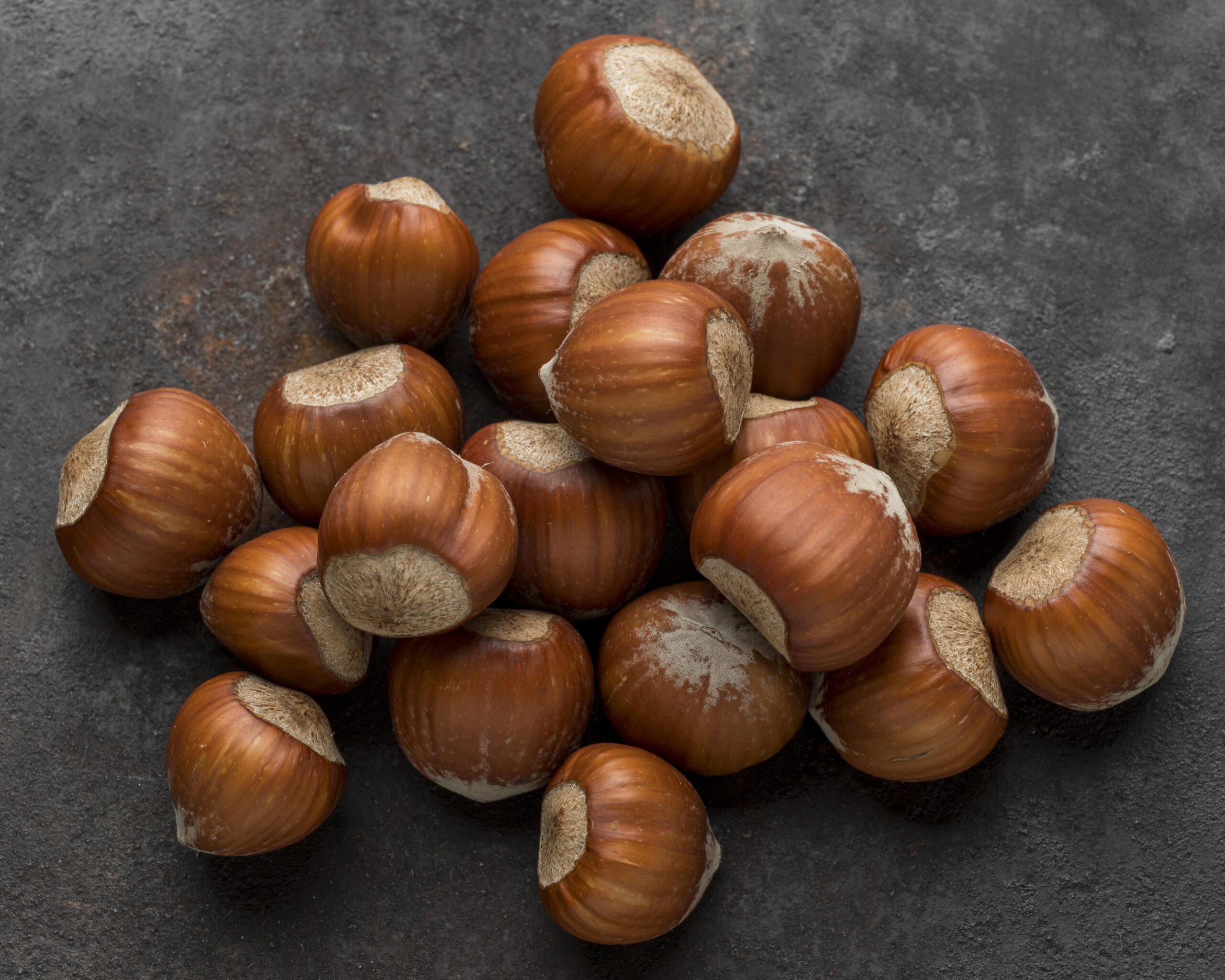
There’s something undeniably comforting about the hazelnut benefits. Perhaps it’s its rich, buttery flavor that feels both rustic and luxurious, or its satisfying crunch that elevates everything from a morning granola to a decadent chocolate spread. But what if we told you that this unassuming little nut, often playing a supporting role in confections, is actually a nutritional titan waiting in the wings? Beyond its delightful taste lies a powerful profile of vitamins, minerals, and healthy fats that can profoundly benefit your heart, brain, and overall well-being.
It’s time to move the hazelnut from the garnish on your dessert plate to a starring role in your daily diet. Let’s crack open the shell and discover the incredible health benefits hidden within.
You know about another nuts you must read this posts- Walnut benefits for hair, Cashew benefits and Almond oil benefits for hair.
Table of Contents
A Nutritional Powerhouse
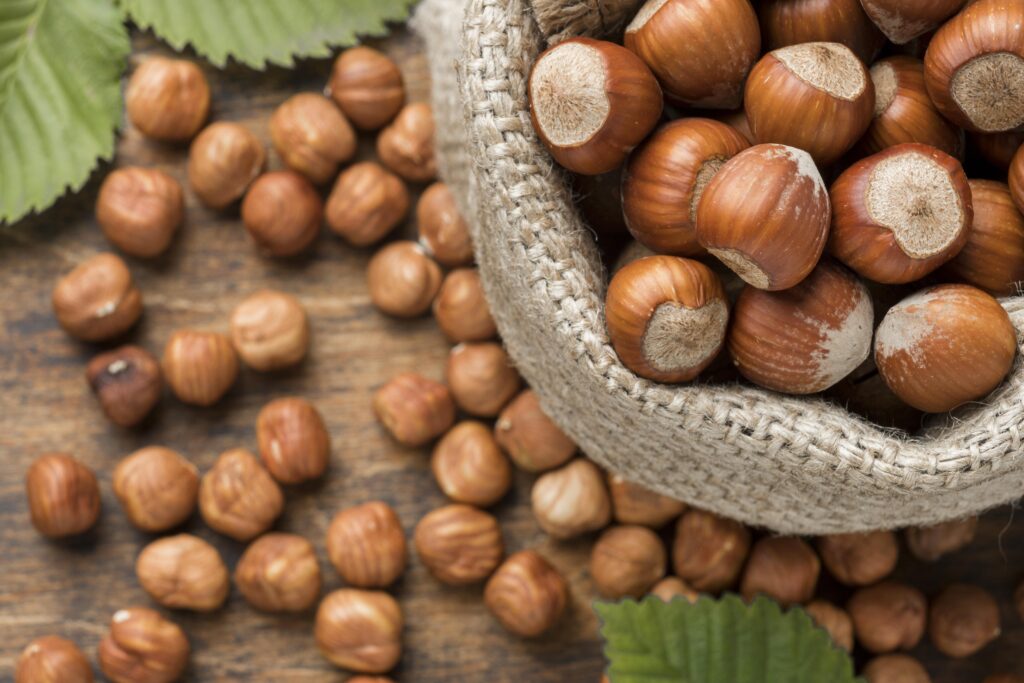
Before we dive into the specific hazelnut benefits, it’s essential to understand what makes the hazelnut so special from a nutritional standpoint. Don’t let its small size fool you; this nut is densely packed with goodness.
A standard one-ounce serving (about 20 whole nuts) is a significant source of heart-healthy monounsaturated and polyunsaturated fats, which are crucial for managing cholesterol and supporting cell growth.
It provides a solid punch of dietary fiber, aiding in digestion and promoting a feeling of fullness. Furthermore, hazelnut benefits are an excellent source of vitamin E, a potent antioxidant, and a great source of essential minerals like manganese, copper, and magnesium.
They also contain a noteworthy amount of B vitamins, protein, and antioxidants like proanthocyanidins. This unique combination of macro and micronutrients is what fuels its wide-ranging health advantages, making it a truly efficient and delicious way to fuel your body.
Guardian of the Heart
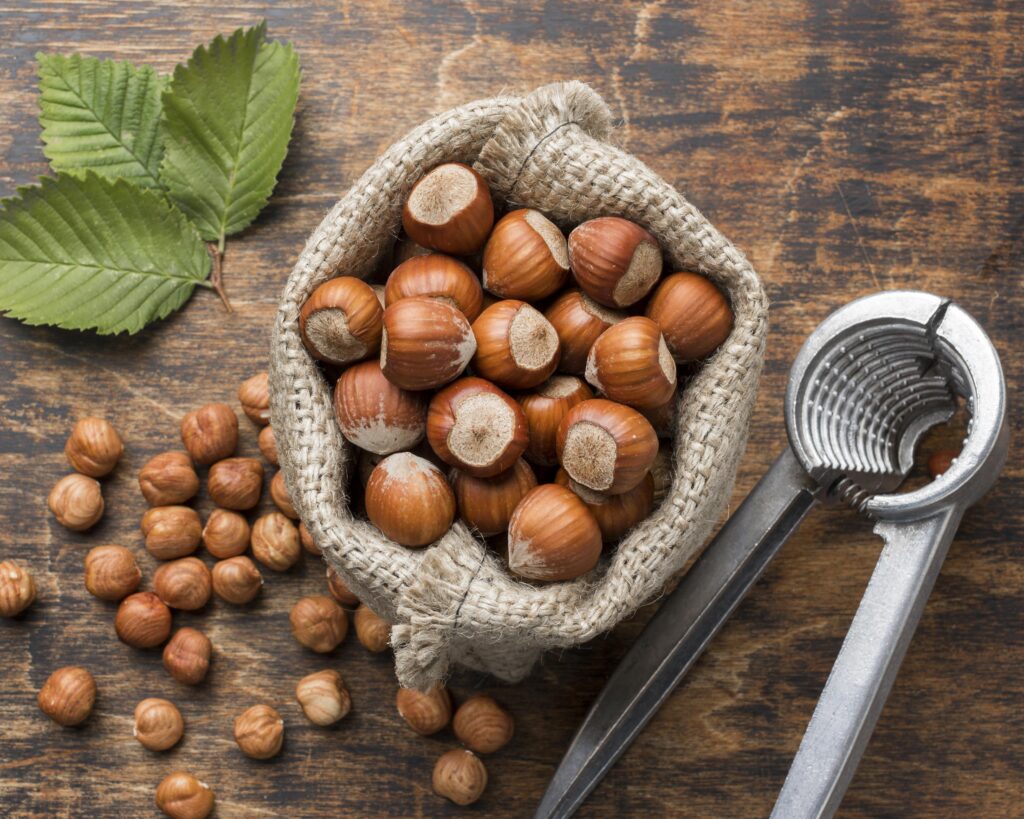
When it comes to cardiovascular health, hazelnuts are nothing short of a superhero. The high concentration of oleic acid, a monounsaturated fatty acid, is the starfood in hazelnut. Studies have consistently shown that oleic acid helps reduce levels of LDL (the “bad”) cholesterol while simultaneously increasing or maintaining HDL (the “good”) cholesterol. This balancing act is critical for preventing the buildup of plaque in your arteries (atherosclerosis), which is a primary risk factor for heart attacks and strokes. But the hazelnut benefits of heart don’t stop there.
The significant magnesium content in hazelnuts plays a vital role in regulating calcium levels, helping to ensure smooth muscle contractions and a steady heartbeat. The antioxidants and anti-inflammatory compounds further protect the delicate lining of your blood vessels from oxidative damage.
Incorporating a handful of hazelnut benefits into your routine is like giving your heart a daily shield, protecting it from the inside out.
Cognitive Function and Brain Health
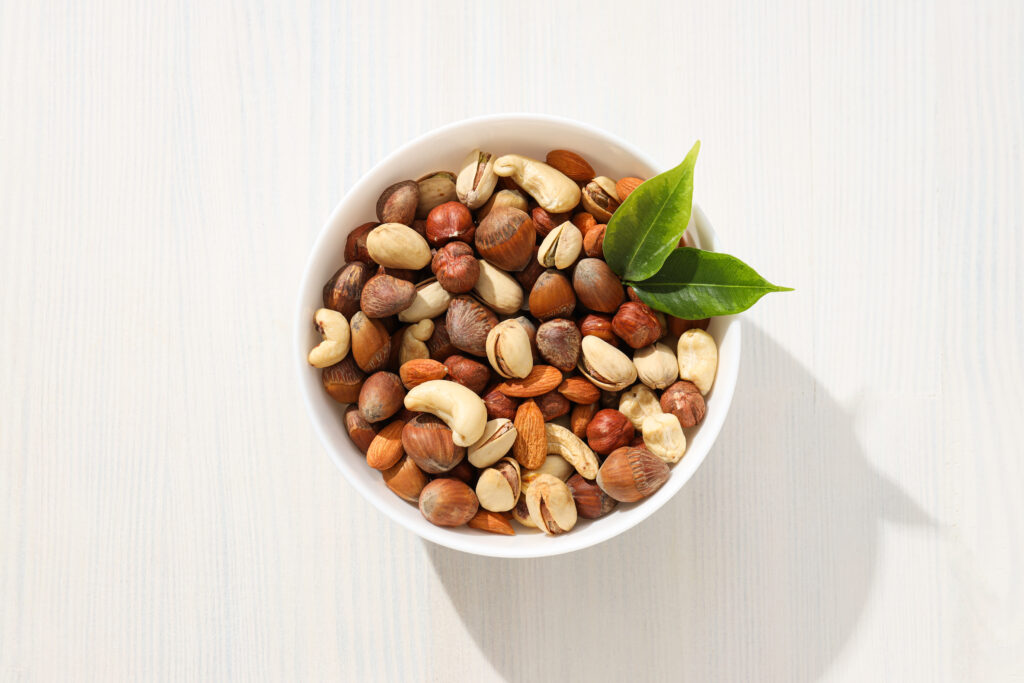
Our brains are incredibly fatty organs, requiring a constant supply of high-quality fats to function optimally. The fats found in hazelnuts are precisely the kind your brain craves. The vitamin E content is particularly noteworthy for cognitive health.
As a powerful fat-soluble antioxidant, vitamin E helps protect cell membranes from free radical damage, which is linked to cognitive decline and neurodegenerative diseases like Alzheimer’s. Furthermore, hazelnuts are rich in manganese, magnesium, and thiamine—all of which are essential nutrients for optimal brain and nerve function.
They support neurotransmitter activity, enhance cognitive performance, and may even help improve memory and learning. Think of them as tiny brain fuel; a snack that not only satisfies your hunger but also nourishes your most vital organ, keeping your mind sharp and resilient as you age.
Strengthening Your Immunity
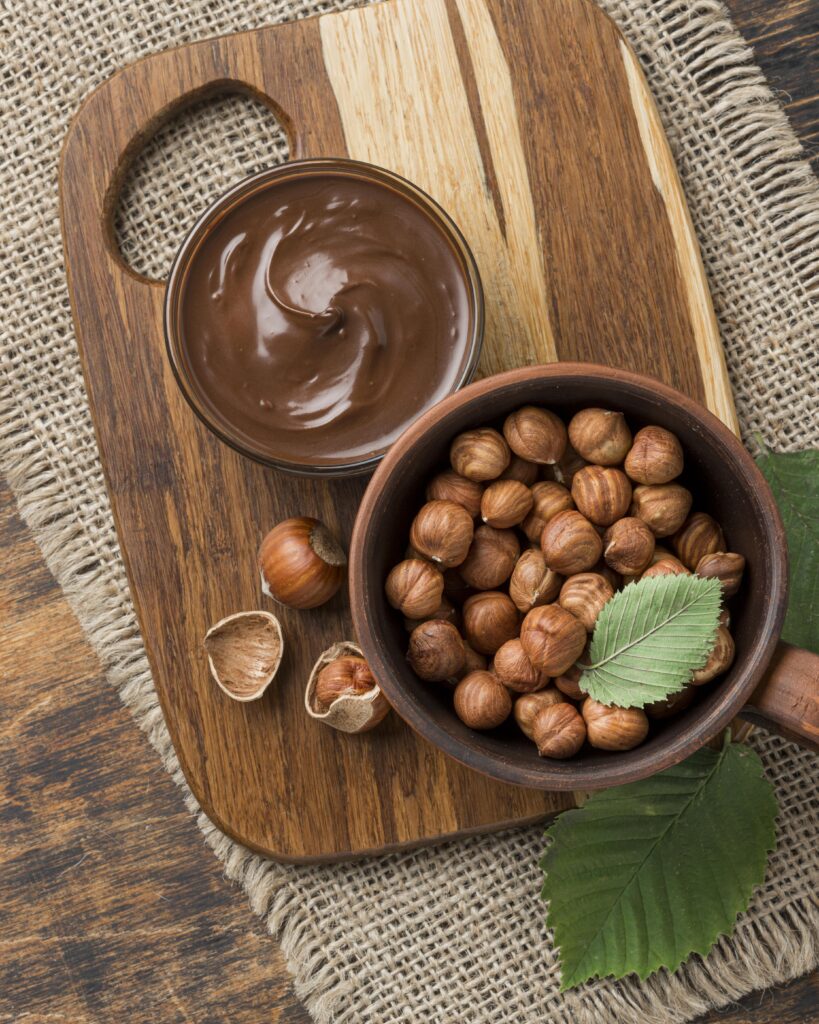
A strong immune system is your body’s first line of defense against illness, and hazelnuts offer a multi-faceted approach to bolstering your natural defenses. Once again, vitamin E takes center stage. This potent antioxidant is crucial for maintaining the integrity of immune cells, allowing them to communicate effectively and mount a strong response against pathogens.
Alongside vitamin E, hazelnut benefits provide a wealth of other minerals that act as co-factors for various enzymatic processes in the immune system. Manganese, for instance, is involved in the activation of superoxide dismutase (SOD), one of the body’s most important antioxidant enzymes.
Zinc and copper, also present in good amounts, are vital for the development and function of immune cells. By providing this broad spectrum of immune-supportive nutrients, hazelnut benefits help ensure your body’s defense network is well-equipped and ready to protect you year-round.
Hero of Digestive Health
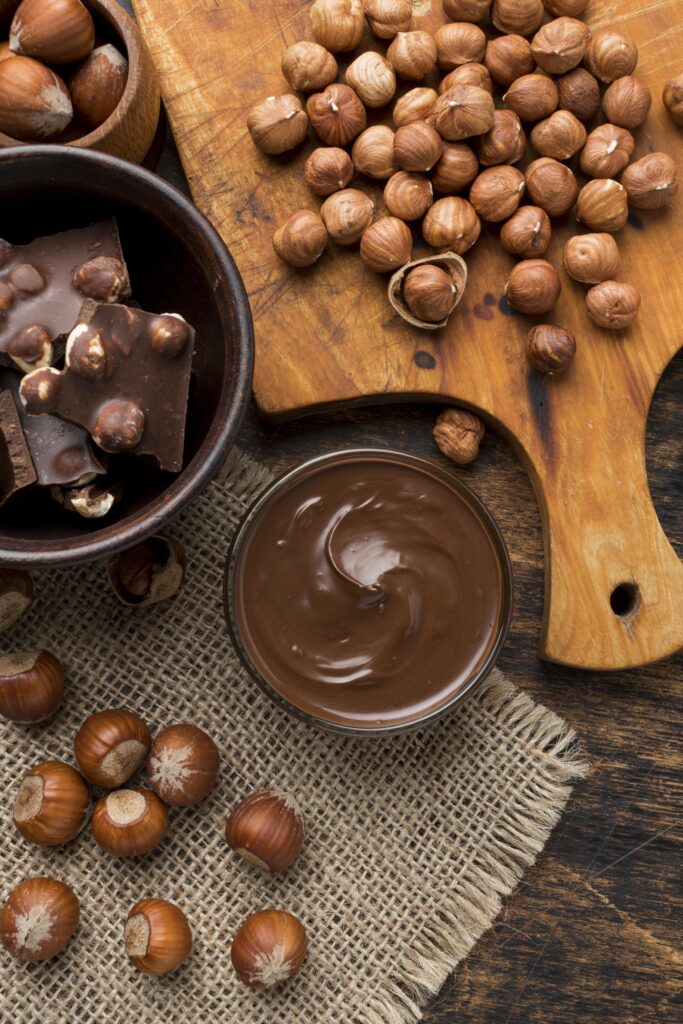
While flashy superfoods often grab the headlines for gut health, the humble hazelnut benefits works quietly and effectively to keep your digestive system running smoothly. The key here is dietary fiber. A one-ounce serving provides about 2.7 grams of fiber, which adds essential bulk to your stool, helping to prevent constipation and promote regular, healthy bowel movements.
This fiber also acts as a prebiotic—a type of non-digestible carbohydrate that serves as food for the beneficial bacteria residing in your gut. By feeding these good bacteria, hazelnut benefits help maintain a healthy and balanced gut microbiome, which is intrinsically linked to improved digestion, enhanced nutrient absorption, and even a stronger immune system.
So, while it might not be the first food you think of for your gut, the hazelnut benefits is a dependable ally for digestive harmony.
Minerals for Strong Bones and Muscles
Building and maintaining a strong skeletal structure is a lifelong endeavor, and nutrition plays a paramount role. Hazelnut benefits contribute significantly to bone health thanks to their impressive mineral profile. Hazelnut benefits are an excellent source of manganese, a trace mineral that is absolutely essential for bone formation and density.
In fact, just one ounce provides over 85% of your daily recommended intake of manganese. But the support doesn’t end there. Hazelnut benefits are also a good source of magnesium and calcium—the latter being the primary building block of bones themselves.
Magnesium is particularly important as it helps regulate the transport of calcium throughout the body, ensuring it gets to your bones where it’s needed most. This powerful trio of minerals works in synergy to keep your bones dense and resilient, reducing the risk of conditions like osteoporosis later in life.
A Friend to Your Skin
Forget expensive creams and serums for a moment; one of the best ways to achieve glowing, healthy skin is by nourishing it from within. Hazelnut benefits are a veritable skin-care supplement. Their high vitamin E content is a well-known boon for skin health.
As a powerful antioxidant, it helps protect your skin cells from the damaging effects of UV rays and environmental pollutants, which are primary drivers of premature aging like wrinkles and sunspots. Furthermore, the healthy fats in hazelnut benefits help maintain the skin’s lipid barrier, keeping it hydrated, plump, and supple.
These fats also aid in the absorption of fat-soluble vitamins, making the other nutrients you consume even more effective. The copper present plays a role in the production of melanin and elastin, contributing to skin strength and elasticity. Regularly consuming hazelnut benefits can help you achieve that coveted, natural radiance.
Easy Ways to Enjoy Hazelnuts
The best part about all these incredible hazelnut benefits is how effortlessly you can incorporate hazelnuts into your daily life. Their rich, versatile flavor pairs well with both sweet and savory dishes. Of course, you can simply enjoy a handful of raw or roasted hazelnuts as a satisfying snack. For a next-level breakfast, chop them up and sprinkle them over oatmeal, yogurt, or acai bowls.
They add a wonderful crunch and depth of flavor to salads, grain bowls, and roasted vegetable dishes. Hazelnut butter is a delicious alternative to peanut butter—spread it on toast, swirl it into smoothies, or use it as a dip for apple slices.
You can even use hazelnut flour in baking for a gluten-free, nutrient-dense option. And let’s not forget the classic pairing with chocolate; a few dark chocolate-covered hazelnut benefits are a perfect way to indulge your sweet tooth while still reaping nutritional rewards. The possibilities are truly endless.
Conclusion
The hazelnut is far more than just a tasty ingredient. It is a densely packed parcel of nutrition, offering profound hazelnut benefits for your heart, brain, digestion, bones, and skin. It’s a testament to the idea that the most powerful health solutions are often found in nature’s simplest offerings.
So, the next time you’re looking for a snack that truly nourishes, reach for a handful of hazelnuts. Your body will thank you for it.
Disclaimer: The information provided on this website is for general educational and awareness purposes only. It should not be considered a substitute for professional medical advice, diagnosis, or treatment. Always consult your doctor or a qualified healthcare professional before making any changes to your diet, medication, or health routine. The author and website are not responsible for any outcomes resulting for the use of this information.
FAQs
How many hazelnuts should I eat a day for health benefits?
A standard serving size is about one ounce, which is roughly 20 whole hazelnuts. This portion provides an optimal balance of nutrients, including healthy fats, fiber, and vitamins, without being excessive in calories. Moderation is key to enjoying their benefits as part of a balanced diet.
Are hazelnuts good for lowering cholesterol?
Yes, absolutely. Hazelnuts are rich in monounsaturated fats, particularly oleic acid, which has been shown to effectively reduce LDL (“bad”) cholesterol levels while supporting healthy HDL (“good”) cholesterol. The high fiber content also contributes to this heart-healthy effect.
Can hazelnuts help with weight management?
Despite being calorie-dense, hazelnuts can be a valuable tool for weight management. Their combination of healthy fats, protein, and dietary fiber promotes a strong feeling of fullness (satiety), which can help you eat less overall throughout the day and curb unhealthy snacking.
What is the best way to store hazelnuts to keep them fresh?
Due to their high fat content, hazelnuts can turn rancid if not stored properly. For short-term use, keep them in an airtight container in a cool, dark pantry. For longer storage (several months), place them in an airtight container or sealed bag in the refrigerator or freezer.
Are there any common allergies associated with hazelnuts?
Yes, hazelnut allergies are relatively common and are one of the more frequent tree nut allergies. Reactions can range from mild oral allergy syndrome to severe anaphylaxis. Individuals with a known tree nut allergy should avoid hazelnuts and consult with an allergist.
5 thoughts on “Hazelnut Benefits”