
Table of Contents
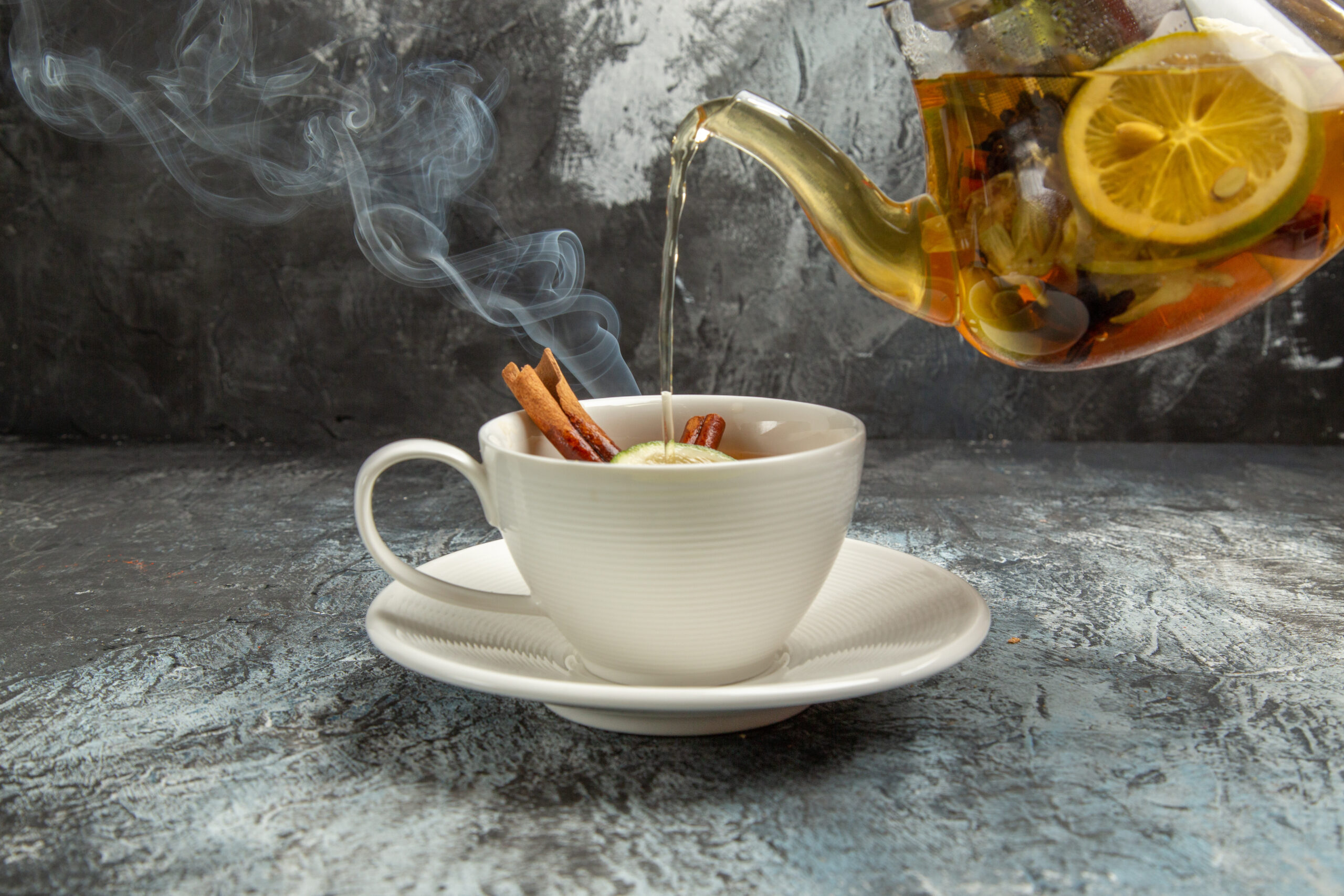
Herbal tea provides much more than simply a warm and comforting drink. Thousands of years ago herbal teas were embraced globally by numerous cultures for their therapeutic value. The traditional uses of herbal tea benefits include promoting good health, relieving stress, and improve overall wellness. Unlike traditional tea and coffee, herbal tea does not contain any caffeine. Herbal teas are created from a variety of plants, including flowers, roots, seeds, spices, etc., therefore they are both calming and supportive to our health and well-being.
With the current trend of ‘natural’ options becoming increasingly popular, many people are now utilizing herbal teas for health maintenance; you will find herbal teas to support almost every aspect of health, from stress release to weight management and digestion.
This guide will help you to understand the definition of herbal teas, their health benefits, the most popular types of herbal teas, their ingredients & potential health benefits, as well as how to create their own personal herbal tea blend. You will also find that consuming an herbal tea daily can be a healthy habit.
Regular consumption of herbal drinks can improve digestion, just like the remedies shared in our post on carom seeds benefits.
Herbal Tea
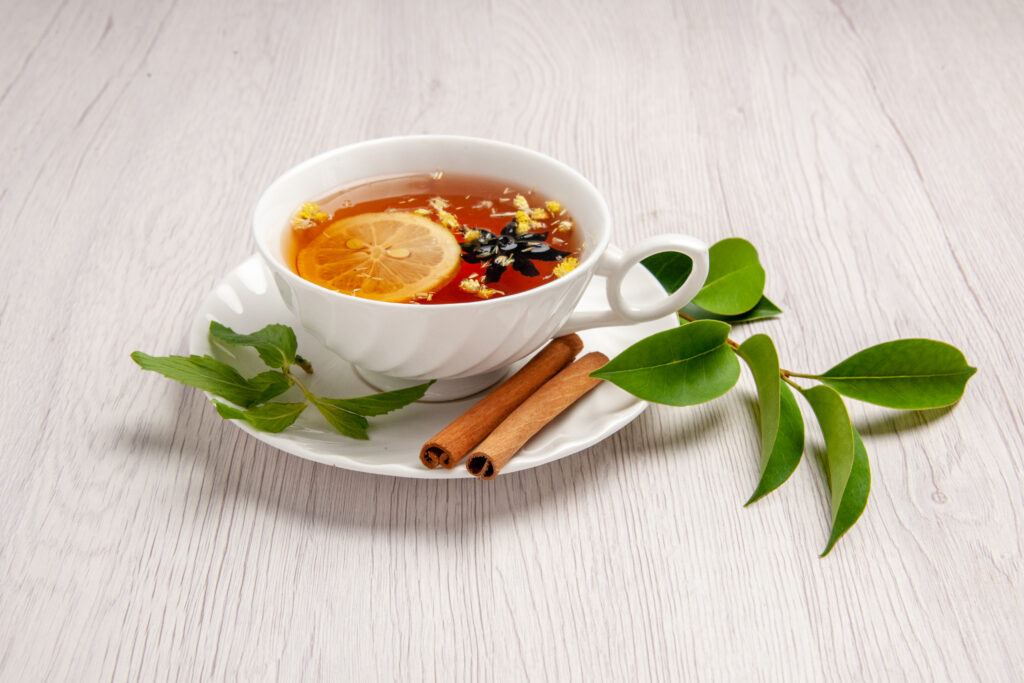
Herbal tea, also known as tisane, is a beverage made by steeping herbs, flowers, leaves, roots, seeds, or spices in hot water. Unlike green tea or black tea, herbal tea does not come from the Camellia sinensis plant. This is why herbal teas are naturally caffeine-free, making them suitable for consumption at any time of the day, even before bedtime.
Herbal teas have been used in Ayurveda, Traditional Chinese Medicine, and other ancient healing systems for thousands of years. Each herb has its own unique properties, such as cooling, warming, detoxifying, calming, or energizing. When combined correctly, these herbs work together to support both physical and mental health.
One of the biggest advantages of herbal tea is its versatility. You can drink it hot or cold, simple or blended, mild or strong. From chamomile and peppermint to ginger, tulsi, and hibiscus, the variety of herbal teas available today makes it easy to find one that suits your taste and health needs.
If you enjoy natural drinks, you may also like reading about ash gourd juice benefits for cooling the body.
Herbal Tea Benefits
Herbal tea is one of a type of healthy drink that a person can drink each day to reap numerous health benefits! Herbal teas are formed from plant-based ingredients that offer gentle support to the body without developing a strong dependency or significant side effects from using them occasionally.
Supports Digestion
Digestion and gastrointestinal tract function are often improved when drinking many varieties of herbal tea on a regular basis. Certain types of herbs that are typically found in tea blends, such as ginger, peppermint, fennel and chamomile, all herbal tea benefits have the ability to help relax the muscles of the digestive tract, reduce bloating and gas, and improve the overall health of the gut when consumed regularly.
For better digestion, you can also try our detailed guide on fennel seeds benefits. And for people looking to detox their body, combining herbal tea with cinnamon water benefits may enhance overall wellness.
Boosts Immunity
Drinking a cup of herbal tea after each meal is a simple way to relieve common digestive complaints of gas, indigestion, etc. naturally. Several herbs, such as ginger, turmeric, cinnamon, and cloves (all of which have high antioxidant content), all lend their nutrients and antioxidant activity to boosting immunity.
Regularly consuming these types of herbal teas will support a person’s immune system’s ability to fight off seasonal infections and inflammation.
For better immunity and skin health, you may also find our article on amla benefits helpful.
Helps in Weight Management
Certain herbal teas support metabolism and help control cravings. Green herbal blends with ginger, cinnamon, lemongrass, or dandelion may support fat metabolism and detoxification. Drinking herbal tea instead of sugary beverages can also reduce unnecessary calorie intake.
If weight loss is your goal, read our article on exercise to reduce belly fat for better results.
Stress Relief and Improved Sleep Quality:
Stress and sleep disorders are two extremely common problems facing today’s society, and are typically related to each other as well. Most herbal teabag varieties contain herbal ingredients (e.g. chamomile, lavender, valerian root, ashwagandha) that have been proven to relax the mind and body. Drinking a cup of herbal tea in the evening may help to calm and reset the nervous system, thus aiding in increased sleep duration and reducing anxiety.
People focusing on gut health can combine herbal tea with the natural tips shared in morning coffee tips with no side effect.
Improves Skin Health
Herbal teas rich in antioxidants help remove toxins from the body, which reflects positively on the skin. Hibiscus, rose, green rooibos, and tulsi tea may help improve skin glow, reduce acne, and slow down signs of aging when consumed regularly.
Supports Heart Health
The antioxidants found in herbal tea can also aid in regulating blood pressure and are often used to help lower cholesterol levels. Hibiscus tea is one of the most commonly consumed herbal teas for heart-related advantages. Furthermore, the antioxidants contained within herbal tea benefits reduce oxidative stress, which has been linked to heart-related concerns.
Best Herbal Tea
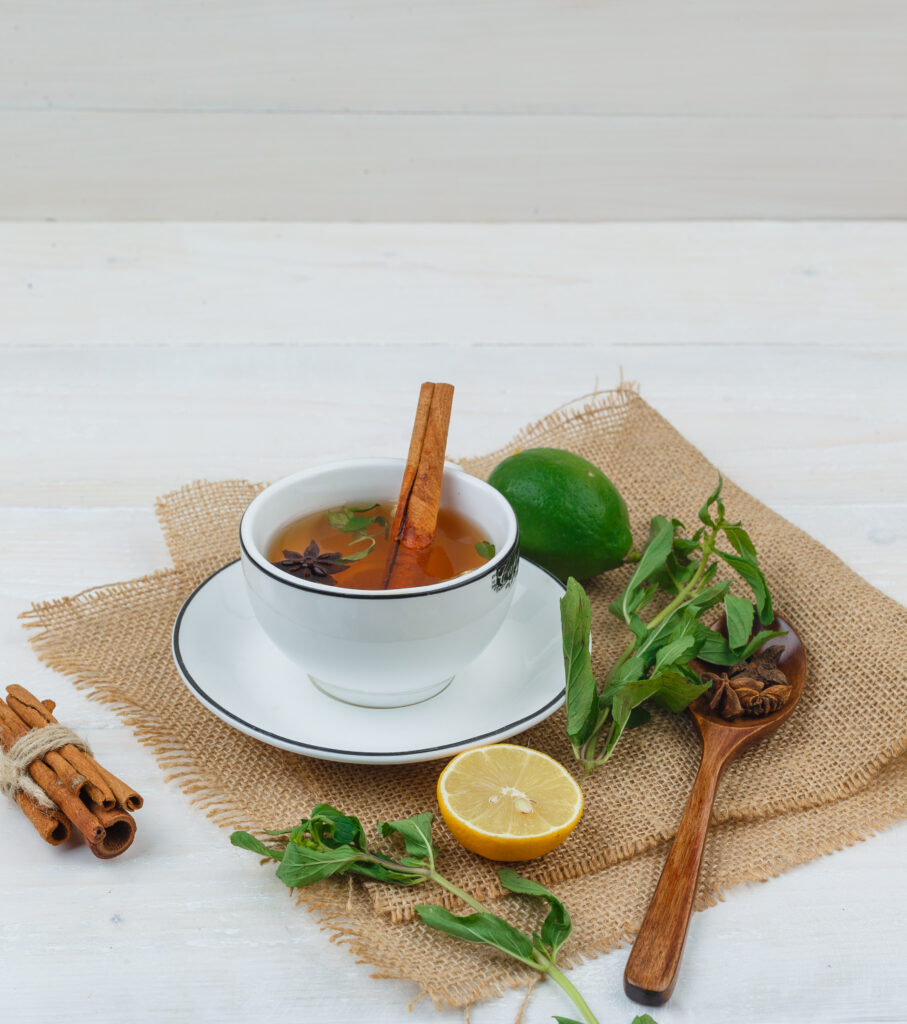
Choosing the best herbal tea for your health needs can be tricky since everyone’s health needs are different. However, some popular herbal teas have many health benefits and are mild in taste as well.
Chamomile Tea
Chamomile tea is one of the most commonly consumed herbal teas around the globe. It is known for its ability to calm and promote sleep. Chamomile tea is also good for lowering stress, improving the quality of sleep, and providing support to the digestive system.
Peppermint Tea
Peppermint tea is quite tasty when infused as a beverage. Peppermint tea can help with digestion and also help with bloating, gas, headaches, and nausea. Peppermint tea helps to keep your mouth smelling fresh as well.
Ginger Tea
Ginger tea is an excellent warming herbal drink. Ginger tea supports digestion and builds your immune system, reduces inflammation, and helps relieve symptoms of colds and coughs. Drinking ginger tea can provide great benefits in winter months.
Herbs like ginger and tulsi used in herbal tea are also discussed in our guide on fenugreek seeds water benefits.
Tulsi Tea
Tulsi, also known as holy basil, is widely used in Ayurveda. Tulsi, commonly referred to as holy basil, has been used for centuries in Ayurvedic medicine. Tulsi tea can provide you with an immune boost, decrease your stress, balance hormones, and help your body adapt to everyday stressors.
Hibiscus Tea
Hibiscus tea has a tangy flavour and is rich in antioxidants. Drinking hibiscus tea helps support heart health, helps to regulate blood pressure, and helps to improve your skin and hair health.
Herbal Tea Ingredients
The best herbal teas feature a combination of these natural ingredients to provide a wide range of health benefits and flavors. Some commonly used herbal tea ingredients include:
- Ginger: It is a great choice for anyone looking to improve their immune response, digestive health, or reduce inflammation.
- Tulsi: It is a powerful adaptogenic herb, which means it can help you manage stress as well as support your immune system.
- Mint: Helps to cool the body and stimulate digestion.
- Fennel Seeds: Known to help with gas and improve overall gut health.
- Cinnamon: Helps to regulate your metabolism and maintain healthy blood sugar levels.
- Cloves: Recommended for their antibacterial properties & warmth.
- Lemongrass: Acts as a detoxifying agent & improves the digestive system.
- Chamomile Flowers: It is widely used for its relaxing properties and its ability to support healthy sleep patterns.
- Hibiscus Flowers: It helps to promote heart health & improve the appearance of skin by enhancing its natural glow.
There are many different combinations of these ingredients available, allowing you to create unique herbal tea based on your individual health goals.
Many herbal tea ingredients are also used in our popular article on healthy morning drinks for daily energy.
Herbal Tea Recipe
Making herbal tea at home is simple, cost-effective, and allows you to control the ingredients. Here is a basic herbal tea recipe that you can customize easily.
Simple Herbal Tea Recipe
Ingredients:
- 1 cup water
- 1 teaspoon fresh or dried herbs (ginger, tulsi, mint, or chamomile)
- Optional: honey or lemon for taste
Method:
- Bring water to a boil.
- Add the herbs to the boiling water.
- Let it simmer for 5 to 10 minutes.
- Strain the tea into a cup.
- Add honey or lemon if desired.
- Drink warm and fresh.
You can experiment with different herbs to create your own herbal tea blend that suits your taste and health needs.
Best Time to Drink Herbal Tea

The best time to drink your herbal teas will depend on both the kind of tea you’re drinking and what you want it to do for you. For example, if you’re drinking ginger or tulsi in the morning, you can give yourself additional energy and make digestion easier for your body. Peppermint or lemongrass are good choices for a refreshing afternoon tea. If you want to calm yourself and prepare yourself for sleep in the evening, chamomile or lavender should do the trick.
Most people can safely consume between one and three cups of herbal tea each day. However, it’s always important to listen to your body’s cues and only drink in moderation.
Herbal tea helps balance metabolism, which complements the lifestyle advice in our post on exercise to increase height.
Why You Should Drink Herbal Tea Every Day
Incorporating herbal tea into your daily routine may offer many health advantages and is a great, easy way to hydrate your body while naturally cleansing it and providing you with plant-based nutrients that can help you to achieve total wellness. Herbal teas are also very gentle on the body compared to sugary drinks and caffeine-laden beverages; therefore, they are an effective tool for keeping balance in your body.
When combined with a healthy diet and lifestyle, herbal tea can become an integral part of a daily wellness regimen, as its natural ingredients, pleasant taste and therapeutic qualities make it ideal for everyday consumption.
FAQs
Is herbal tea safe to drink every day?
Yes, herbal tea is generally safe to drink daily when consumed in moderation. Since it is caffeine-free, it can be enjoyed without causing dependency or sleep problems.
Which herbal tea is best for daily health?
Tulsi tea, chamomile tea, ginger tea, and peppermint tea are among the best herbal teas for daily health due to their digestive, immunity-boosting, and stress-relieving benefits.
Can herbal tea help with weight loss?
Certain herbal teas may support weight management by improving digestion, reducing bloating, and supporting metabolism when combined with a healthy lifestyle.
What is the best time to drink herbal tea?
The best time depends on the type of herbal tea. Ginger or tulsi tea is ideal in the morning, while chamomile or lavender tea is best in the evening for relaxation.
Does herbal tea have any side effects?
Herbal tea usually has minimal side effects, but excessive consumption or specific herbs may not suit everyone. Pregnant women or people with medical conditions should consult a doctor.
Conclusion
Herbal tea is a natural, healthy, and soothing beverage that supports both physical and mental health. From improving digestion and immunity to reducing stress and promoting better sleep, the benefits of herbal tea are wide-ranging. With so many herbs and blends available, you can easily find or create a herbal tea that matches your personal health goals.
By making herbal tea a part of your daily routine, you are choosing a gentle and natural way to care for your body. Whether you drink it in the morning, afternoon, or night, herbal tea truly deserves a place in a healthy lifestyle.
Disclaimer: The information provided on this website is for general educational and awareness purposes only. It should not be considered a substitute for professional medical advice, diagnosis, or treatment. Always consult your doctor or a qualified healthcare professional before making any changes to your diet, medication, or health routine. The author and website are not responsible for any outcomes resulting from the use of this information.
2 thoughts on “Herbal Tea Benefits for Health: Why You Should Drink It Every Day”