
Table of Contents
Jamun fruit benefits! If you think about a fruit that connects the world through culture, tradition, spiritual belief and wellness, you will probably think of the “Fruit of the Gods”. Look no further than the Jamun fruit (black plum), whose rich purple colour, very sweet yet slightly tart flavour, and similarity to grapes make it an important seasonal crop for many parts of the world. In addition to its flavour and cultural relevance, the Jamun is a nutrient-rich fruit, offering a wide array of health benefits to support health and wellness through diet, exercise, and lifestyle.
This complete guide will provide you with an all-inclusive resource on everything you need to know about the Jamun fruit benefits, including its botanical origin through its extraordinary use as a wellness enhancing superfood through the ages.
Jamun Fruit
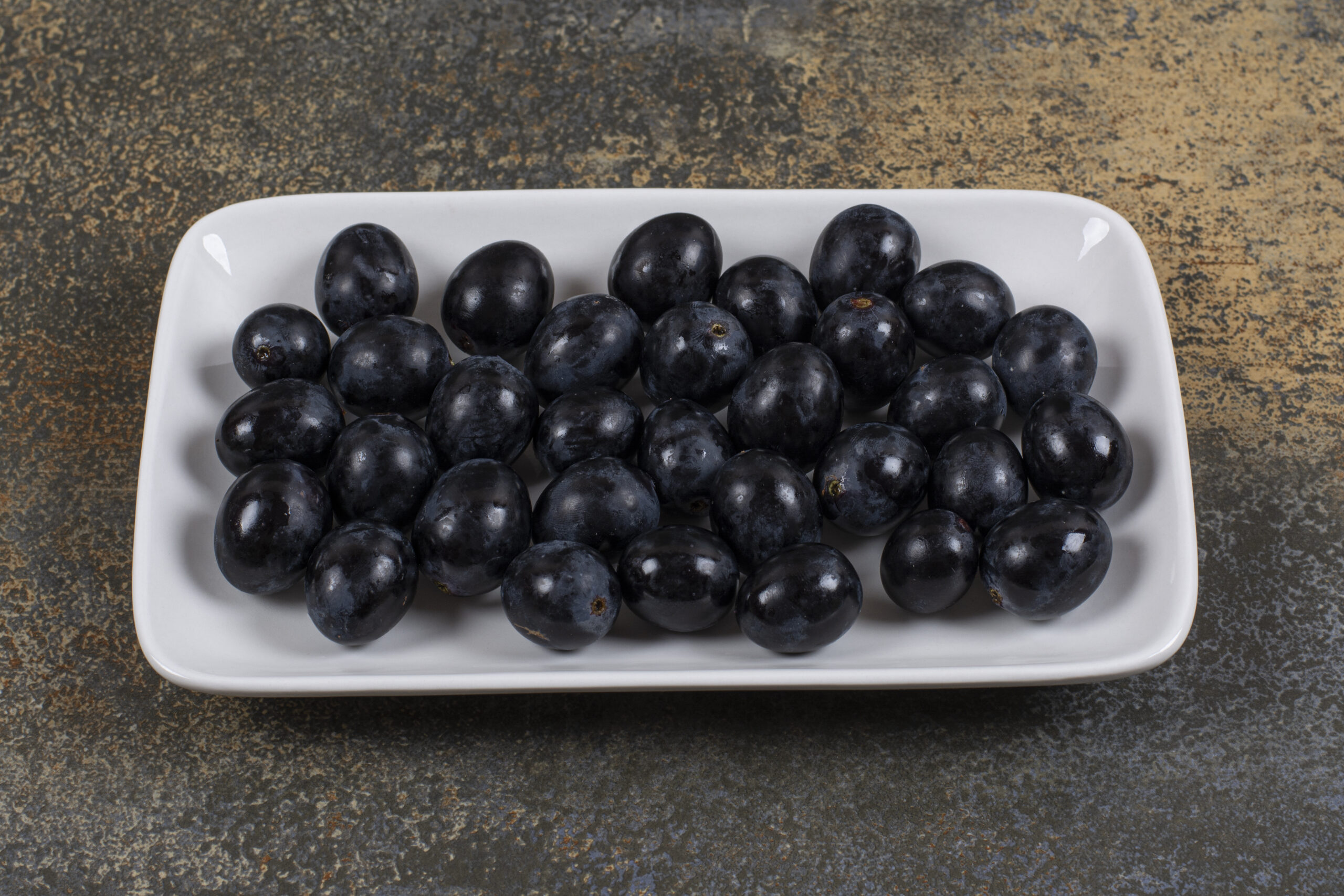
Jamun is an oblong and bumpy fruit that grows on (Syzygium cumini) – a large evergreen tree with a height of 30 meters, and can live to be over 100 years old. One of the first things you’ll notice about Jamun is its skin- very thin, shiny, tight, and ripening from bright green to a deep blackish purple.
If you bite into a Jamun, you will taste a juicy, watery pulp that ranges in color from a pale pink to a bright white. Its taste has a little bit of everything: sweetness; tartness; slight sourness; and an astringent aftertaste that makes your mouth pucker — make sure to be careful when eating because the jamun juice will stain your lips, tongue and fingers purple for hours; it’s a fun, bright reminder of the jamun’s vivid pigmentation!
Syzygium cumini is a highly productive tree – a fully-grown syzygium cumini tree can produce 50 to 60 kg of fruits per year. Jamun fruits typically ripen fully before harvesting and they cannot be allowed to ripen once picked, meaning that they are a fleeting seasonal treat. Read this fruits also- Guava, Black grapes, Passion fruit, Pear, bael, Dragon fruit…and more in health-icon.com.
Jamun in English
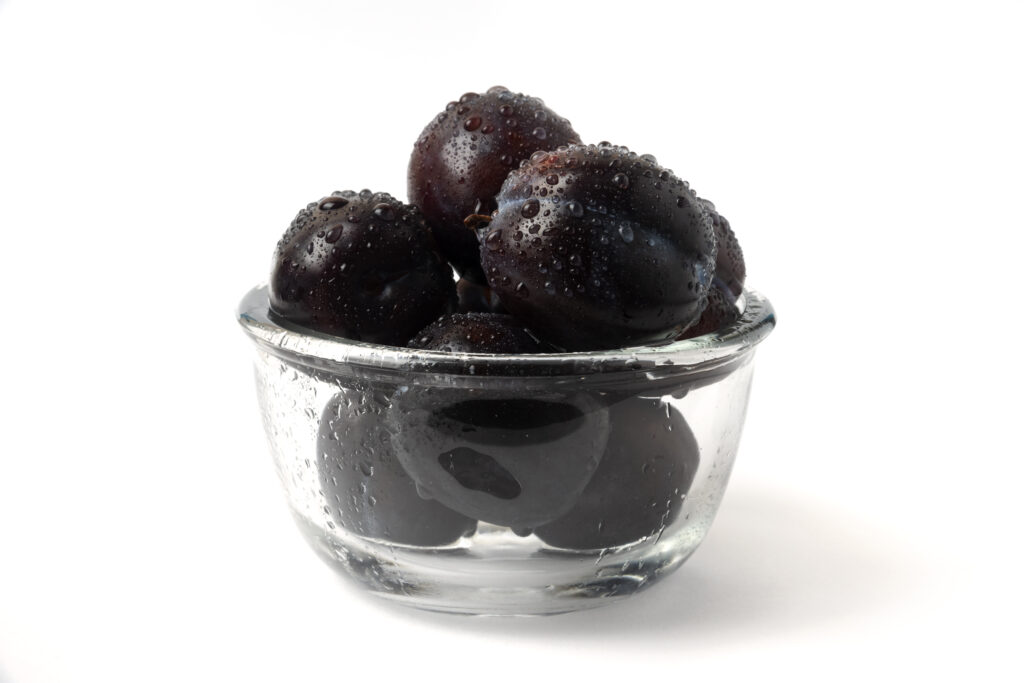
Those who have experience or are more knowledgeable about the scientific names of plants in English likely know that Jamun is scientifically named Syzygium cumini. As it has travelled through various countries and cultures, it has gained several common names, including Java plum, Indian blackberry, black plum, and Malabar plum.
The name Java Plum was derived because it is widely used and marketed throughout Southeast Asia. The name Indian Blackberry is descriptive of the colour (black) and shape (berry) of the fruit. However, it is important to note that Jamun is not related to the true blackberry, although both are members of the same plant family (Myrtaceae).
The different names can be quite confusing at times; however, they all refer to the same delicious fruit produced by the Myrtaceae plant family. Read this useful posts- Artichoke, Apricot, Peach, Plum, Chiku…and more in health-icon.com.
Jamun Fruit Benefits
Jamun is not just good to eat; it’s also a great source of nutrition! Virtually every part of the Jamun plant is used as medicine in the traditional Ayurvedic health system. Modern scientific research has confirmed many of the healing properties of Jamun. Below are seven ways that Jamun fruit can benefit your health:
1. A Complementary Natural Remedy for Maintaining Blood Sugar Levels
Jamun is widely considered the leading natural remedy for diabetes. From a therapeutic perspective, the fruit and seeds of Jamun contain active compounds called jamboline and jambosine, which have been shown to delay the conversion of starch into glucose, thus reducing blood sugar levels. As a result, it has gained a reputation as an essential food for people with diabetes.
2. Jamun Supports Immune Function and Inflammation
The high level of Vitamin C in Jamun along with its abundant presence of antioxidants (especially anthocyanins, which give the Jamun its distinctive purple colour) has helped Jamun support immune health and counteract free radical damage to cells through oxidative stress. In addition, the antioxidant activity of Jamun contributes to the reduction of inflammation in the body.
3. Jamun Promotes Digestive Health
Jamun’s high fibre content assists in the regulation of the digestive tract, preventing constipation, and promoting regular bowel movements. Jamun’s astringent properties have long been used in herbal medicine for the treatment of digestive disorders such as diarrhea, ulcers, and dysentery.
4. Jamun Contributes to Cardiovascular Health
Jamun’s nutritional composition provides many potential benefits for cardiovascular health. The potassium found in Jamun is thought to help regulate blood pressure by counteracting the effects of sodium. In addition, research has demonstrated that the extract of Jamun seeds can decrease levels of LDL (“bad”) cholesterol and triglycerides while increasing levels of HDL (“good”) cholesterol.
5. Skin and Hair Health Benefits
Vitamin C and other antioxidants found in Jamun help with skin health. They help fight acne and many skin problems, assist with producing collagen to keep your skin elastic, and help to reduce the chances of early skin aging. Jamun has also been shown to help heal your skin and scalp with its anti-bacterial properties.
6. Liver and Kidney Health Benefits
Studies have suggested that Jamun fruit pulp and seed extract protect the liver (hepatoprotective) in rats and mice. They repair liver cells, decrease elevated liver enzymes, and support detoxifying the body. Jamun also supports kidney function through its diuretic properties, which help with urine production.
7. Weight Loss Benefits
Jamun fruit is an ideal healthy snack because it is low in calories and high in dietary fibre. Dietary fibre promotes a feeling of fullness; therefore, eating Jamun will help you decrease your total calories consumed while still receiving the nutrients you need. Read these fruits beneficial posts- Kiwi, Papaya, Papaya leaf juice, Custerd apple, wood apple…and more in health.icon.com.
Jamun Fruit Calories
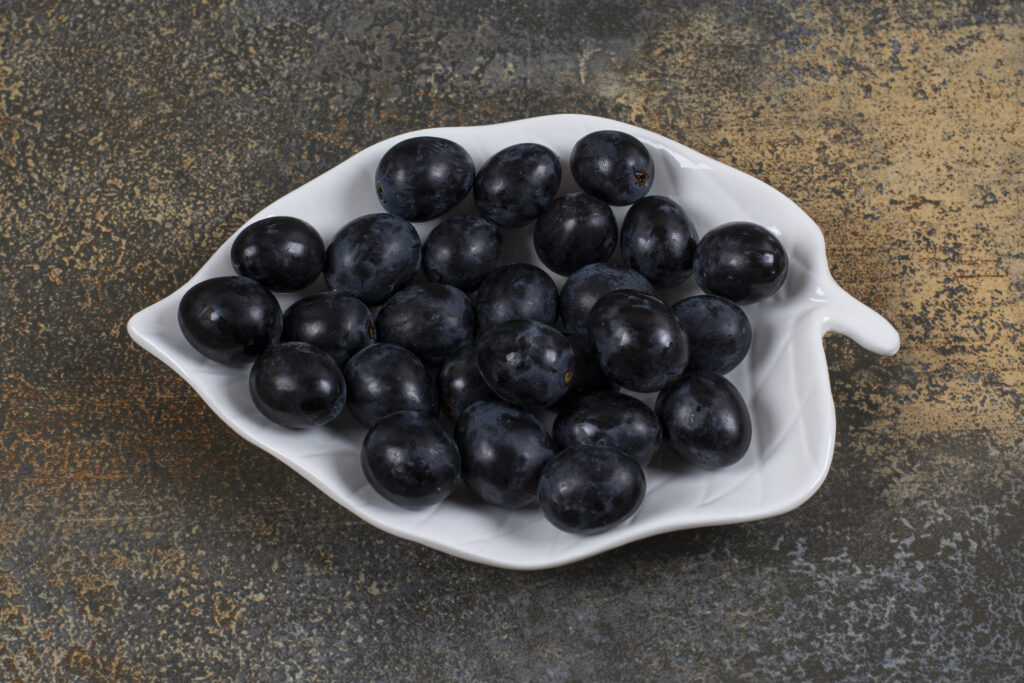
If you want a healthy snack, Jamun fruit is an excellent choice because it is a low-calorie fruit that will satisfy your hunger without guilt. Fresh Jamun (raw fruit) is composed of approximately 83% water. A 100-gram serving of fresh Jamun contains approximately 60 to 62 calories. Its high water and fibre content create a low energy density.
Jamun Nutrition
Jamun fruit low-calorie content does not diminish its high nutritional value. Its high concentration of vitamins, minerals, and bioactive compounds demonstrates this fact. For example, the table below shows the major nutrients found in 100g of the raw Jamun fruit.
| Nutrient | Amount per 100g |
| Energy | 60 – 62 kcal |
| Carbohydrates | 14 – 16 g |
| Protein | 0.7 – 0.13 g |
| Fat | 0.15 – 0.3 g |
| Dietary Fibre | 0.3 – 0.9 g |
| Vitamin C | 5.7 – 18 mg |
| Vitamin A | 3 – 8 IU |
| Iron | 1.2 – 1.62 mg |
| Calcium | 15 – 19 mg |
| Magnesium | 15 – 35 mg |
| Potassium | 55 – 79 mg |
| Phosphorus | 15 – 17 mg |
In addition to these macronutrients and minerals, Jamun fruit contains numerous phytochemicals (such as anthocyanins, ellagic acid, and flavonoids) that provide potent antioxidant and anti-inflammatory activities. Read fruit nutrition powerhouse posts- Avocado, Pineapple, Ice apple, Water apple, Rose apple, Star fruit…and more in health-icon.com.
Jamun Plant
The Jamun tree (Syzygium cumini), also known as the black plum tree, is a large evergreen tree. The Jamun tree is important for both its fruit and timber. Native to India and Southeast Asia, the Jamun has been introduced to parts of tropical and subtropical regions such as Florida, Northern Australia, and the Caribbean.
The Jamun tree is extremely hardy and adaptable, growing well in nearly any soil type, including saline and continuous flooding conditions, but it grows best in deep sandy loam soils with good drainage and moisture levels. The leaves of the Jamun tree are thick and leathery, and they have a pleasant fragrance when crushed; the younger leaves have a pinkish tint, becoming dark green with yellow midribs when mature. The Jamun tree produces small clusters of white flowers with a sweet fragrance and is typically found growing at the base of leaves. These white flowers mature into Jamun fruit. read this useful posts- Rambutan fruit, Mangosteen, Lychee, Longan fruit…and more in health-icon.com.
Jamun fruit Side Effects
Although it’s usually safe to eat jamun, it has a few potential side effects associated with eating excessive amounts or for people who have certain pre-existing medical conditions.
Some of these side effects are:
• If you are taking medication for diabetes, eating large quantities of jamun may cause your blood sugar levels to drop too low (hypoglycemia). This can cause dizziness, sweating, and confusion.
• Eating jamun in excess may lead to gastrointestinal issues such as constipation, bloating, and acidity in certain individuals.
• Very few people are known to have an allergic reaction to jamun, which may cause symptoms such as an itchy or swollen rash.
• Eating large amounts of raw, unripe jamun may also cause irritation or a sore throat for some individuals.
• Because of its effects on blood sugar, it is recommended that you stop eating jamun approximately two weeks prior to any scheduled surgical procedures in order to avoid creating problems with managing blood sugar levels during and following the surgical procedure.
For safe consumption of jamun, eat it ripe, and consume in moderation. Always remove the hard, rough seed inside jamun prior to consumption; furthermore, eating jamun on an empty stomach has the potential to create digestive upset.
Conclusion
The Jamun fruit provides numerous health advantages as well as a vibrant, beautiful cultural heritage from which it derives. You can consume it fresh, with salt added to help offset its astringent tastes, in addition to using it in various ways to prepare yourself, including making homemade jam or juicing. Adding this purple superstar to your meals can be a great addition to a healthy lifestyle. For those who want to learn about what effects the jamun may have on their body, please consult with your doctor or nutritionist.
Have you had a chance to try the taste of a jamun? If so, please let us know how you liked it in the comments section below.
Disclaimer: The information provided on this website is for general educational and awareness purposes only. It should not be considered a substitute for professional medical advice, diagnosis, or treatment. Always consult your doctor or a qualified healthcare professional before making any changes to your diet, medication, or health routine. The author and website are not responsible for any outcomes resulting for the use of this information.
FAQs
Is Jamun good for diabetic patients?
Yes, Jamun is highly regarded for its anti-diabetic properties. Compounds in the fruit and its seeds (jamboline and jambosine) help slow the release of sugar into the bloodstream and improve insulin sensitivity. However, diabetic patients on medication should consult their doctor before consuming it in large quantities to avoid the risk of hypoglycemia.
How many Jamun can I eat in a day?
A moderate serving of one cup (approximately 100-150 grams) of Jamun fruit per day is considered safe and beneficial for most people. Consuming it in excess can lead to side effects like stomach upset, constipation, or a sudden drop in blood sugar levels. It’s always best to listen to your body and start with a smaller amount.
Can we eat Jamun at night?
It is generally not recommended to eat Jamun on an empty stomach or right before bed, as its acidic nature may cause discomfort or acidity for some individuals. The best time to eat Jamun is during the day, preferably after a meal, to aid in digestion and maximize nutrient absorption without causing any gastric issues.
What are the benefits of Jamun juice?
Jamun juice concentrates many of the fruit’s benefits. It is a refreshing drink known for helping manage blood sugar, boosting immunity with its high Vitamin C content, improving digestion, and promoting clear skin. Due to its potent nature, it’s advised to drink Jamun juice in moderation and not on an empty stomach.