
Table of Contents
Miyazaki Mango
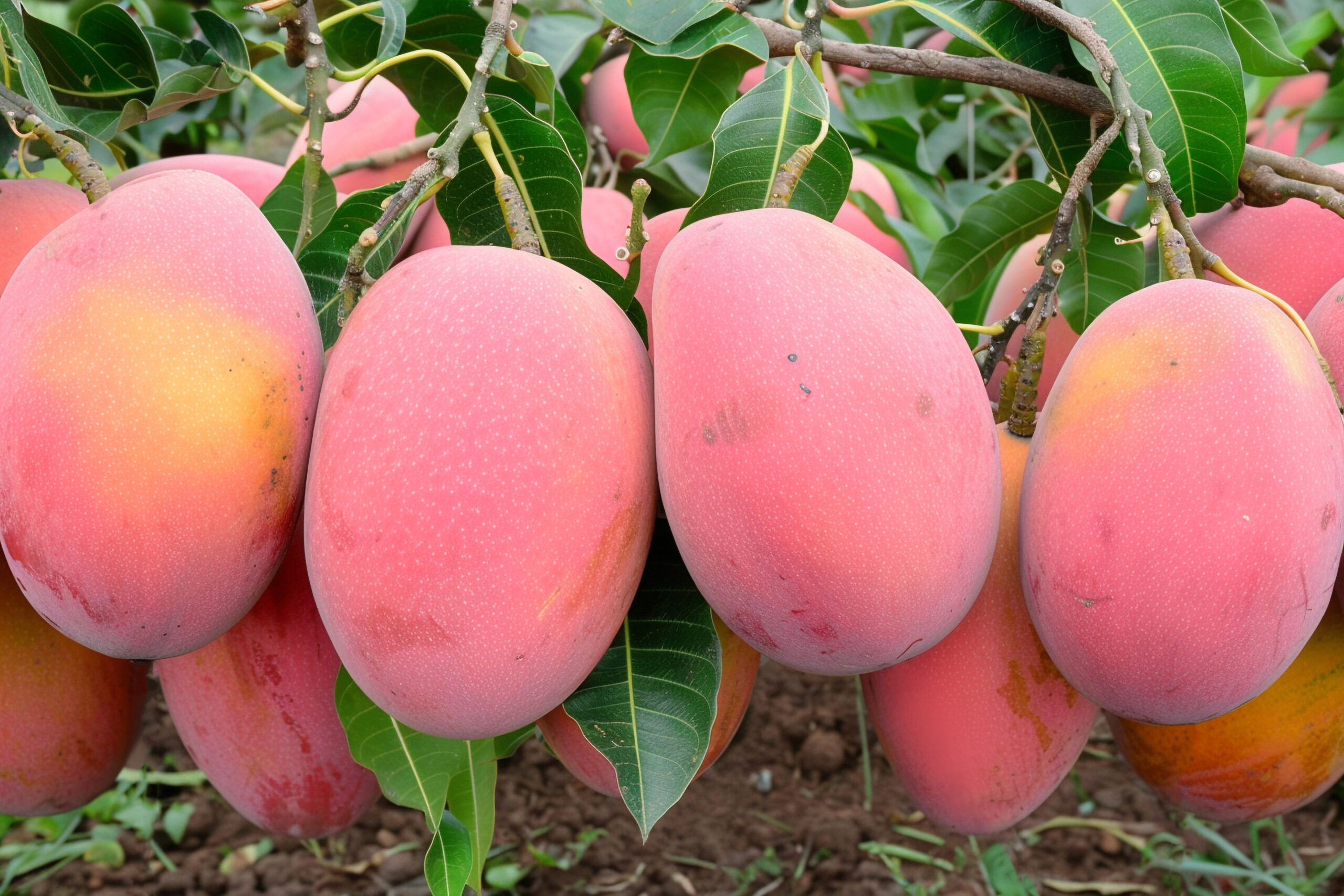
There are not many exotic fruits worldwide that match the Miyazaki Mango in both prestige and price. Also known as the Egg of the Sun, this unique fruit from the Miyazaki prefecture in Japan is more than just fruit. It is a beautiful creation of nature and one of the most luxurious types of fruit available. The Miyazaki Mango has recently taken the world by storm; however, it is significantly sought after for its incredible sweetness, velvety smooth texture, and unique nutritional qualities.
If you have ever wondered what it was like to eat a mango that was treated like royalty or why anyone would spend thousands of dollars on one piece of fruit, you will find the answers here. In addition to its glamour, the Miyazaki Mango has many benefits that will interest not only the gourmet food consumer but also the health-conscious consumer.
Miyazaki Mango Benefits
The Miyazaki mango’s exceptionally high price often overshadows the actual value of the mango as it relates to its unique nutritional profile. Below are 10 reasons why the Miyazaki mango is worth the price tag:
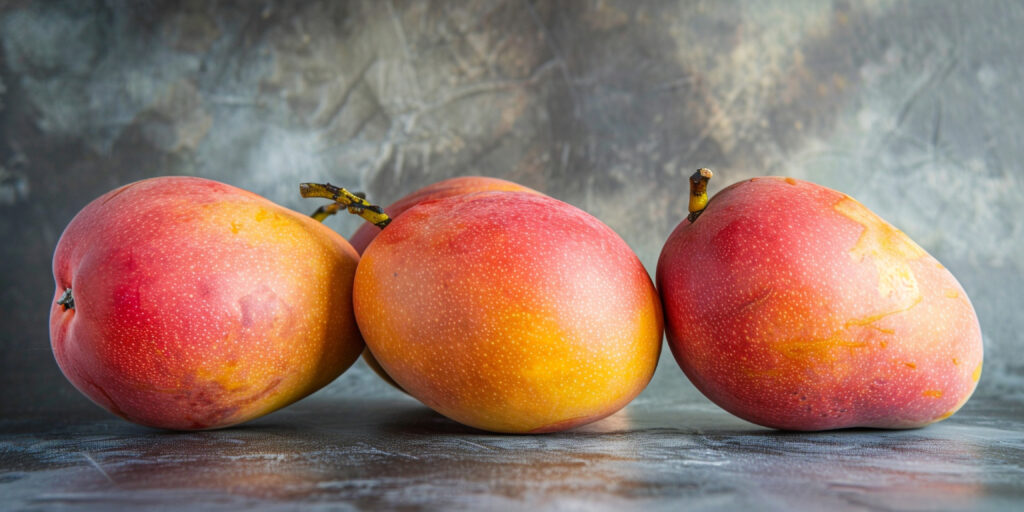
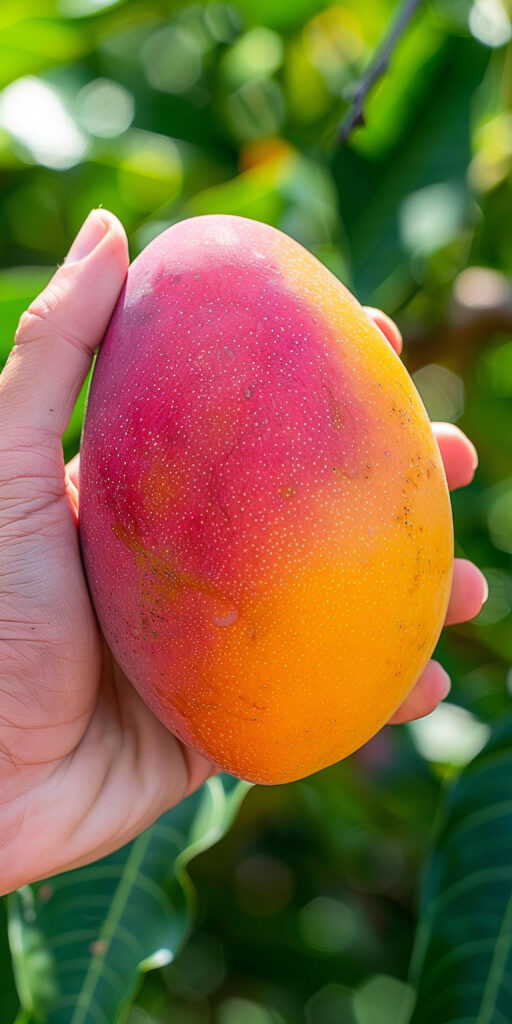
Effective Antioxidant Protection: The intensely bright ruby red skin acts as an indicator of the health benefits of this fruit. The Miyazaki mango contains anthocyanins and beta-carotene, both powerful antioxidants that can reduce oxidative stress, cellular damage, and signs of aging.
Supports Immune Health: The high levels of vitamin C found in this mango help to build the immune system by increasing the number of white blood cells that protect us from infection.
Supports Digestive Health: Due to the dietary fiber and natural enzymes (amylases) present in this fruit, the mango assists in breaking down complex carbohydrates and provides smoother digestion (reducing discomfort) and improving gut health.
Supports Heart Health and Regulates Blood Pressure: The fruit is a good source of potassium, a mineral that is necessary to maintain normal sodium levels, relax the walls of blood vessels, and maintain normal blood pressure and circulation.
Not only nourish the Skin, but they also Provide Nutrients That Are Essential For Collagen Building, Which Is Important For The Skin To Retain Elasticity, Minimize Wrinkles, and have A Beautiful, Glowing Appearance.
Promotes Healthy Vision: Miyazaki Mangoes Contain Lutein And Zeaxanthin, Which Block Out Harmful Light From Damaging The Eye’s Tissues, Therefore, Reducing Risk Of Age-Related Eye Disorders.
Natural Source Of Energy: Because Of Its High Sugar Content (Minimum 15% Brix), It Provides Immediate Energy And Is A Great Post-Workout Food, A Healthy Snack, or an Afternoon Pick Me Up, Without Any Added Refined Sugar.
Supports Strong Bones And Teeth: Contains Important Minerals Such As Calcium, Needed To Maintain Strong Bones And Teeth.
Supports Functioning Of Nerves And Muscles: Magnesium Provides An Environment For Optimal Functioning Of Nerves. Over 300 Enzymes Within The Body Are Dependent On Magnesium For Their Activity.
Speed Up The Healing Process: The Vitamin K Found In These Mangoes Provides Necessary Nutrients For Blood Clotting, Therefore, Aiding In Faster Wound Healing.
Read the fruit benefits and nutrition facts- Strawberry, Yellow watermelon, Amla, Guava, Black grapes, Passion fruit, Pear, Bael, Dragon fruit, Apricot, Peach, Plum, Chiku, Kiwi, Papaya, Artichoke, Custerd apple, Pineapple, Avocado…and more in Health-icon.com.
Miyazaki Mango Nutrition
What exactly does this exotic mango provide beyond the health benefits previously mentioned? Upon closer inspection, the Miyazaki mango has a complete nutritional profile.
The fruit is high in Vitamins A, C, E, B vitamins, and minerals such as iron and folate. The flesh of the Miyazaki mango is made of a non-fibrous, melting consistency that makes all of these nutrients available to be absorbed into our bodies easily. The combination of extremely high-density nutrition along with exceptional flavour makes it impossible to compare the Miyazaki mango to other standard varieties of mango.
The following table illustrates the nutritional highlights of the Miyazaki mango
| Nutrient | Primary Benefit |
| Vitamin C & Antioxidants | Boosts immunity, fights cell damage, promotes skin health. |
| Potassium | Helps regulate blood pressure and supports heart function. |
| Dietary Fiber & Enzymes | Aids digestion and improves gut health. |
| Lutein & Zeaxanthin | Protects eye health and vision. |
| Magnesium & Calcium | Improve strong bones and teeth. |
Miyazaki Mango Taste and Texture
For the average Joe, describing the flavour of a Miyazaki mango is somewhat poetic. Consider this: as you slice into the fruit, the sweet aroma of honey greets you, and the scent of tropical fruit fills the air. You taste the flesh of the fruit, which is creamy and buttery, with no fiber whatsoever, melting in your mouth like a rich custard.
The flavour characteristics of the Miyazaki mango are complex, featuring a sweet, decadent richness that serves as the foundation of the main flavour, yet is accented with notes of coconut, pineapple, and citrus. It is the perfect combination of intoxicating sweetness and fragrant tropical notes that is causing experts to claim that the Miyazaki is truly superior to any conventional mango. Eating this mango is more like indulging in a gourmet dessert created by Mother Nature.

Miyazaki Mango Plant
The Miyazaki mango has a very long way to go from the seedling to the luxury item you see now; it takes an incredible amount of obsessive care to achieve this. Although Irwin mangoes are originally from Florida, the technique used to cultivate them in Japan has been elevated to the level of art.
When harvesting the Miyazaki mango, we use a climate-controlled greenhouse that is controlled for every single variable associated with growing and ripening fruit. Growers have developed unique ways to attain the distinctively flawless red blush, one of these being the use of mirrors to reflect sunlight evenly onto the fruit.
The practice that has gained the most notoriety is when each mango is protected throughout its growth in an individual net bag. When the mango is ready to harvest, it will naturally drop from the tree; however, in the case of the Miyazaki mango, it is gently caught in its net bag, which protects it against any potential bruises and allows it to be delivered to market in perfect condition.
All of these time-consuming, detail-oriented techniques are one of the main reasons the Miyazaki mango commands such an exorbitantly high price.
Miyazaki Mango Price
What are the costs associated with achieving perfection? In Japan, the top-level Miyazaki mango (referred to as “Taiyo no Tamago”) can fetch quite a high price. A matched set of perfectly matched pairs at auctions can sell for more than $4,000. Even outside of the auction environment, individual pieces regularly sell at prices in the hundreds.
However, it’s important to note that this isn’t only about taste; it’s a representation of Japanese culture and social status. In Japan, giving exceptional fruit to others to symbolize respect is a long-standing tradition. The Miyazaki mango, and more specifically the “Sun Egg” variety, has become the quintessential representation of this tradition and is commonly given for business promotions, weddings, and a myriad of other similar developments.
Miyazaki Mango Price in India
The Miyazaki variety of mango has captured the attention of India, which is known for its numerous mango varieties and is seen as a desirable fruit. Motivated by this desire, farmers have begun trying to grow the variety locally as well as to create an alternative to imported products.
As a result of these efforts there has emerged two distinct markets for this mango: first is the Japanese imported version, which is considered an extreme luxury item—prices are reported to be as high as Rs 8,000 to Rs 2.5 lakh (Rs 250,000)—and second are the emerging Indian-grown Miyazaki mangoes that may still be premium-priced but are more reasonably priced and widely available than their Japanese counterparts (by comparison, locally produced prices begin at Rs 2,000 to Rs 3,000 per kg depending on quality and size).
This early-stage industry is being supported by the availability of saplings being offered by nurseries at prices ranging between Rs 800 to Rs 1,500 each. As farmers and, in some cases, even home gardeners see the opportunity to grow their own luxury fruit, they are responding to this market demand by growing their own trees.
In addition, experts are saying that because of India’s climate and environment, this particular type of mango could well be “localized” in the next few years, thus opening up further opportunities for this industry.
Miyazaki Mango Side Effects
Mangoes, including Irwin mangoes used in the production of Miyazaki, have been determined to be among the safest and healthiest foods available based on a 90-day rat oral toxicity study using a concentrated extract of immature Irwin mangoes. While mangoes have a relatively vanilla flavor profile, they have been shown to have a high threshold for S.D.D.
Moreover, as with most foods, moderation of intake is necessary when consuming mangoes due to their naturally occurring high content of sugar (approximately 70%) in addition to individuals with allergies to mangoes or their urinary constituents (urushiol) found in mango skin (similar to poison ivy) should take caution while consuming mangoes.
The most common recommendations are to eat as part of a healthy and balanced diet and to fully enjoy the taste of melting-in-your-mouth mangoes.
Conclusion
The Miyazaki mango is not just food. It is an example of what happens when someone puts their best effort into growing something perfect. The Miyazaki mango shows how nature and hard work come together to produce something beautiful and healthy.
Whether you ever get to eat one or only hear about it, you should consider the Miyazaki mango to be a wonderful example of the amazing things that nature has in store for us. It is a bright red gem that encourages us to seek sweetness, value quality, and appreciate the creativity of those who grow and prepare our food.
Disclaimer: The information provided on this website is for general educational and awareness purposes only. It should not be considered a substitute for professional medical advice, diagnosis, or treatment. Always consult your doctor or a qualified healthcare professional before making any changes to your diet, medication, or health routine. The author and website are not responsible for any outcomes resulting from the use of this information.
Frequently Asked Questions
Why are Miyazaki mangoes so expensive?
The extreme cost stems from an unparalleled level of care. Each mango is grown in a climate-controlled greenhouse, often cradled in an individual net bag, and hand-pollinated. Farmers use techniques like mirrors to ensure perfect sun exposure for the iconic red blush. Only flawless fruits that meet strict sugar content (15° Brix minimum), weight, and color standards earn the coveted “Taiyo no Tamago” (Egg of the Sun) label, making them a luxury agricultural art form.
Are Miyazaki mangoes healthier than regular mangoes?
While all mangoes are nutritious, Miyazaki mangoes have a concentrated profile due to their cultivation. They are guaranteed to have exceptionally high levels of beta-carotene (giving them the red color) and sugar content. They share similar core benefits—rich in vitamins C, A, and fiber—but their non-fibrous texture may make some nutrients more easily absorbable.
Where can I buy a Miyazaki mango, and what’s the price in India?
Authentic Japanese “Egg of the Sun” mangoes are rarely exported and are typically bought at high-end auctions or specialty stores in Japan. In India, a market for locally-grown Miyazaki (Irwin) mangoes is emerging. Prices vary widely:
Imported Japanese: Extremely rare; can cost ₹80,000 to ₹2,50,000+ per kg for auction-grade.
Indian-grown: Available seasonally from specialty farms; prices range from ₹2,000 to ₹5,000 per kg or per fruit, depending on size and quality.
Can I grow a Miyazaki mango tree at home?
While the plant is of the Irwin variety, replicating the conditions for true “Egg of the Sun” quality is very challenging outside Miyazaki, Japan. However, you can purchase Irwin mango saplings. Success requires a frost-free, warm climate, well-draining soil, and immense patience. Even then, achieving the signature perfect red blush and ultra-sweetness without professional greenhouse control is difficult.