
Table of Contents
Moringa leaves are considered one of the most powerful natural superfoods in the world. In today’s fast-paced lifestyle, people are increasingly turning toward natural remedies and plant-based nutrition to maintain good health. Among all green leafy plants, moringa leaves stand out because of their exceptional nutrient profile and wide-ranging health benefits.
The Moringa Leaf is a powerful herb that has been used in Ancient Times for numerous health ailments. Many cultures around the world use Moringa Leaf for digestive issues, to stimulate the immune system, to boost energy and to improve the skin’s tone. These benefits were first noted in Traditional Medicine in countries like India, China, Thailand and other Asia Pacific countries and now Western Science is discovering the same potential benefits.
The following guide details all that you need to know about the Moringa Leaf, including its benefits, nutritional value, uses and of course, Moringa Leaf Powder, Moringa Leaf Juice and any potential side effects associated with Moringa Leaf.
Moringa
Moringa, scientifically known as Moringa oleifera, is an incredibly fast-growing tree native to India and other parts of Asia and Africa. It is often referred to as “Drumstick Tree” or “Miracle Tree” or “Tree of Life”, because every part of the plant can be utilized in some way – including the leaves, pods, seeds, flowers and even bark.
However, moringa are the most nutritious and widely used parts of the plant. The small green moringa leaves contain the highest concentration of vitamins, minerals, antioxidants and other healthy plant compounds.
Traditionally, moringa leaves were widely used to help those suffering from fatigue, inflammation, infection, digestive issues and nutritional deficiency. Today, moringa can be eaten fresh or dried, or in powdered form and are a great addition to maintain a healthy diet.
Moringa in Hindi

Moringa is referred to as “Sahjan” in Hindi and its leaves are known as “Sahjan ke Patte“.
Many Indian families incorporate sahjan leaves and drumsticks in their daily meals by including them in curriess, dals and vegatable dishes. According to Ayurvedic texts, sahjan is considered a “Rasayana”, or rejuvenating herb, that nourishes the body and increases longevity.
In rural India, moringa has been used by women, children and older adults to increase strength, energy and immunity for generations.
Moringa Leaves Benefits
Moringa leaves has numerous beneficial uses for health because it is highly nutritious and has medicinal qualities. Below are the most important benefits with explanations.
1. High Source of Nutrition
Moringa leaves provide a significant quantity of vitamins A, C, E and minerals like calcium, iron, potassium, magnesium, protein, and others as a natural supplement for those who do not get enough nutrients in their diets.
2. Immune System Booster
The vitamin C and antioxidants contained in moringa assist the body in fighting bacteria and viruses. When consumed on a regular basis, they may protect the body from many illnesses, such as colds, flu, and airborne illnesses.
3. Supports Digestion
The fibre found in moringa contributes to good digestion, and is helpful for those at risk of constipation. The fibre also encourages the growth of good bacteria in the gut which promotes better digestion overall.
4. Helps Blood Sugar Regulation
Moringa may help to stabilise blood glucose levels due to improved insulin sensitivity, thus making it beneficial to people with diabetes when consumed in moderation as a part of a well-balanced diet.
5. Improve Heart Health
The antioxidant compounds in moringa reduce LDL cholesterol levels and promote proper blood flow. These effects may reduce the likelihood of developing heart disease or hypertension.
6. Reduces Inflammation
Chronic inflammation has been shown to be associated with a number of health conditions. The natural anti-inflammatory substances contained in moringa can be beneficial for the alleviation of joint and muscle pain, swelling, etc.
7. Provides Energy and Decreases Fatigue
Moringa offer a natural source of energy that does not produce an increase in blood sugar levels. They can boost stamina power, decrease feeling of fatigue, and increase energy level.
8. Helps Control Weight
Moringa is low in calories but high in nutrients, thus they are a great way to help manage weight by decreasing appetite and improving the body’s metabolic rate.
9. Improves Skin and Hair Condition
The vitamins and antioxidants contained in moringa can provide the necessary nutrition and hydration the skin needs from the inside out, reduce the occurrence of acne, and slow down the appearance of aging. Additionally, moringa will strengthen the roots of your hair and prevent hair loss.
10. Supports the Health of the Liver
Moringa have the ability to detoxify the liver and protect it from damage due to toxins, thus improving overall liver function.
Read this fruit benefits and add in your diet- Rasbhari fruit, Persimmon fruit, Pomegranate, Muskmelon, Yellow watermelon, Amla, Strawberry, Guava, Black grapes, Artichoke, Passion fruit, Pear, Peach, Apricot, Plum, Papaya, Dragon fruit, Pineapple, Avocado, Star fruit, Ice apple, Rambutan, Lychee…and more in health-icon.com.
Moringa Nutrition
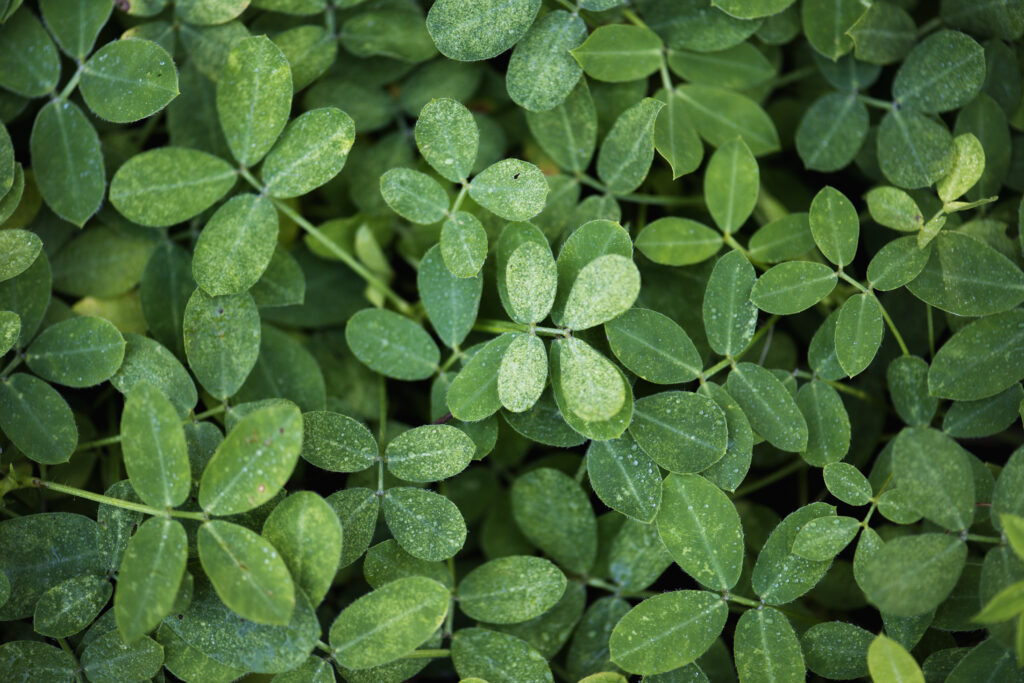
Moringa leaves offer exceptional health benefits because of their numerous vitamins and minerals. The vitamins in moringa leaves include:
- Vitamin A to improve vision and your immune system
- Vitamin C to boost your immunity and skin health
- Vitamin E to provide a strong source of antioxidants
- Calcium for strong bones and teeth
- Iron to help prevent iron-deficiency anemia
- Potassium for heart and muscle functions
- Protein necessary for muscle reparation and growth
- Fiber to promote healthy digestion
Moringa’s ability to naturally contain these nutrients, and the fact that it is a plant-based nutritional source, makes this leafy green an excellent choice for vegans or vegetarians, as well as anyone who wants to lead a healthier lifestyle.
How to Use Moringa Leaves
You can use Moringa’s Leaf in many way’s, which depend on your lifestyle and taste preference.
1. Fresh Moringa Leaf
Fresh Moringa Leaf can be cooked just like Spinach and added to soups, dals (lentil soup) and curries or can be tossed in a stir fry. By cooking them, they become less bitter and much easier to digest.
2. Dried Moringa Leaf
You can dry fresh Moringa Leaf to store Moringa Leaf for long-term. Dry leaves can be crushed to create powder or used to make your own Herbal Tea.
3. Moringa Tea
Moringa Herbal Tea can be made by boiling fresh or dried leaves in Water; serve Warm. It is best consumed warm.
4. Moringa Capsules
Moringa Capsules are available for people who do not like the flavor of Moringa Leaf. It is still best to consume Moringa in its natural form, but if you cannot stand the taste, you may take the Capsule form supplement.
Moringa Powder
Moringa Powder Benefits
Moringa powder is created by drying out and grinding moringa leaf. Moringa powder contains nearly all of the same nutrients as moringa leaves, making it easy to incorporate moringa into your daily diet.
Benefits of moringa powder include:
- Improves immunity
- Supports digestion
- Helps maintain blood sugar levels
- Enhances skin and hair health
How to Use Moringa Powder
- Mix ½ to 1 teaspoon of moringa powder in warm water
- Add it to smoothies, juices, or soups
- Sprinkle over salads or cooked vegetables
Start with small amounts of moringa powder, and gradually increase to find the amount that works for you.
Moringa Juice
Moringa Juice Benefits
Moringa juice is another great way to consume moringa leaf because it has a refreshing taste and is easily digestible (absorbed into your system).
Key benefits of moringa juice:
- Detoxifies the body
- Improves digestion
- Boosts energy levels
- Supports liver health
How to Prepare Moringa Juice
- Wash fresh moringa leafs thoroughly
- Blend with water
- Strain the mixture
- Add lemon juice or honey for taste
Consuming moringa juice before you eat (first thing in the morning) will help you get the most benefit from it.
Moringa Side Effects
Although moringa leaf are generally safe, while most people do not experience serious side effects from taking moringa leaves, there are some possible side effects that are connected to using moringa leaves in large quantities.
Possible Side Effects of Moringa Leaves
- Digestive upset may occur when moringa leaves are taken in large amounts
- The natural hypotensive effect of moringa can lower blood pressure
- For persons who take blood pressure or diabetes medicines, moringa leaves may be contraindicated.
Who Should Avoid Moringa?
- Pregnant women should always discuss the use of moringa with their physician prior to taking moringa.
- If you are taking blood pressure or diabetes medications, you should speak with your doctor or additional advice on the use of moringa.
- People who are sensitive to gastrointestinal discomfort may want to start with smaller doses.
The key to enjoying the benefits of moringa is moderation.
Conclusion
Moringa leaves are an incredible resource that nature has provided for us. With all the vitamins, minerals, and antioxidants they have, moringa supports good health in an all-natural approach. You can incorporate moringa into your daily routine by consuming fresh, powdered, or juiced leaves.
If properly used and consumed in moderation, moringa can provide many benefits including increased immunity, improved digestion, increased energy levels, and lasting long-term health. As is the case with any natural remedy, repeating the same action consistently will yield the best results over time.
Disclaimer: The information provided on this website is for general educational and awareness purposes only. It should not be considered a substitute for professional medical advice, diagnosis, or treatment. Always consult your doctor or a qualified healthcare professional before making any changes to your diet, medication, or health routine. The author and website are not responsible for any outcomes resulting from the use of this information.
FAQs
What are moringa leaves good for?
Moringa leaves are good for boosting immunity, improving digestion, controlling blood sugar levels, supporting heart health, and increasing energy naturally.
Can we eat moringa leaves daily?
Yes, moringa leaves can be consumed daily in moderate amounts. They can be eaten as cooked leaves, powder, or juice for overall health benefits.
What is moringa called in Hindi?
Moringa is called “सहजन (Sahjan)” in Hindi, and moringa leaves are known as “सहजन के पत्ते”.
Is moringa powder better than fresh leaves?
Both are beneficial. Fresh moringa leaves provide natural nutrients, while moringa powder is convenient and has a longer shelf life.
Are there any side effects of moringa leaves?
Excess consumption may cause digestive discomfort or low blood pressure. Pregnant women and people on medication should consult a doctor.
1 thought on “Moringa Leaves: Benefits, Nutrition, Uses, Powder, Juice & Side Effects”