
Discover the vibrant world of prickly pear juice—a delicious and nutrient-packed beverage with deep roots in traditional cuisine and modern wellness trends.
Table of Contents
What Is Prickly Pear Juice?
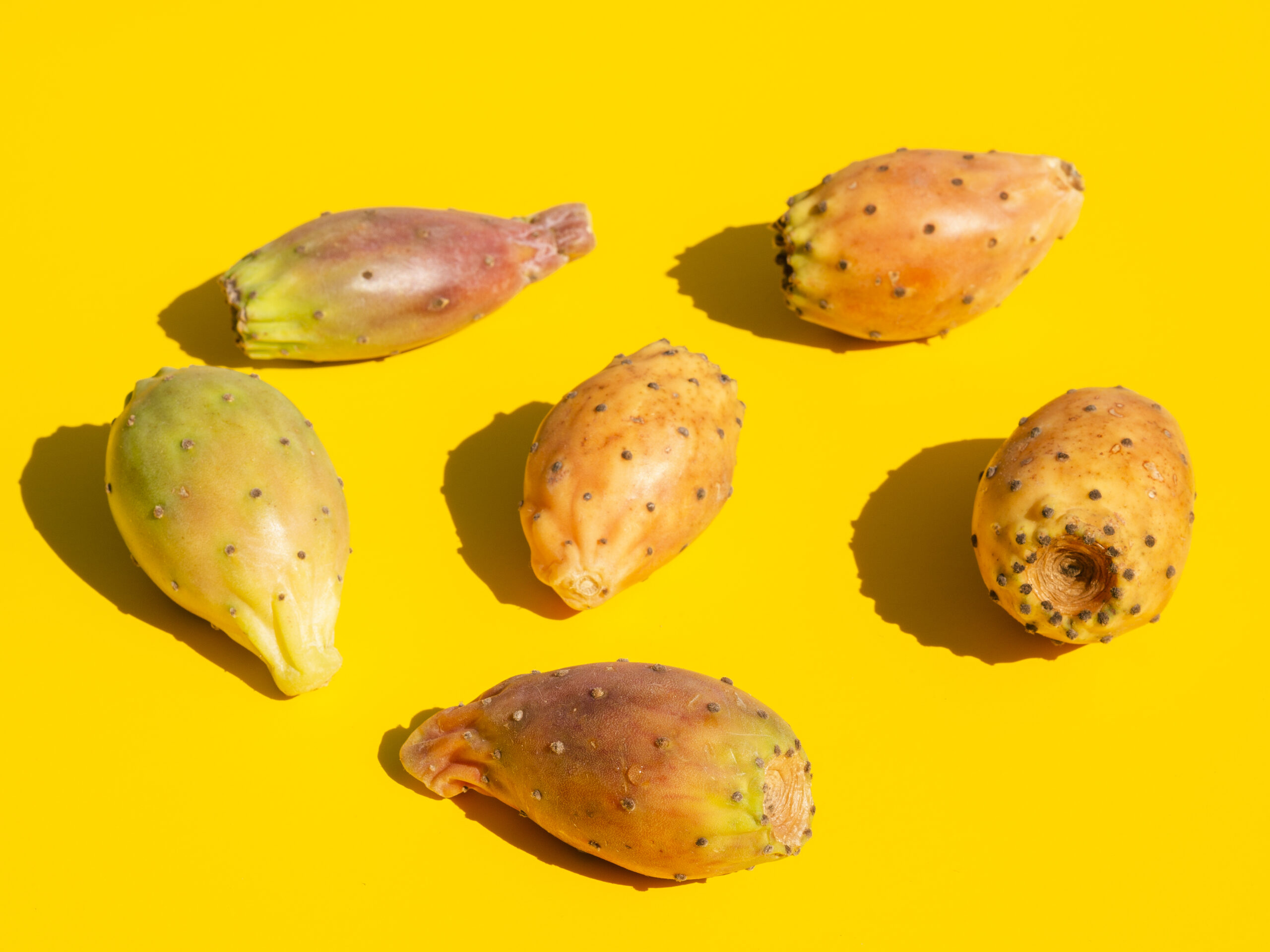
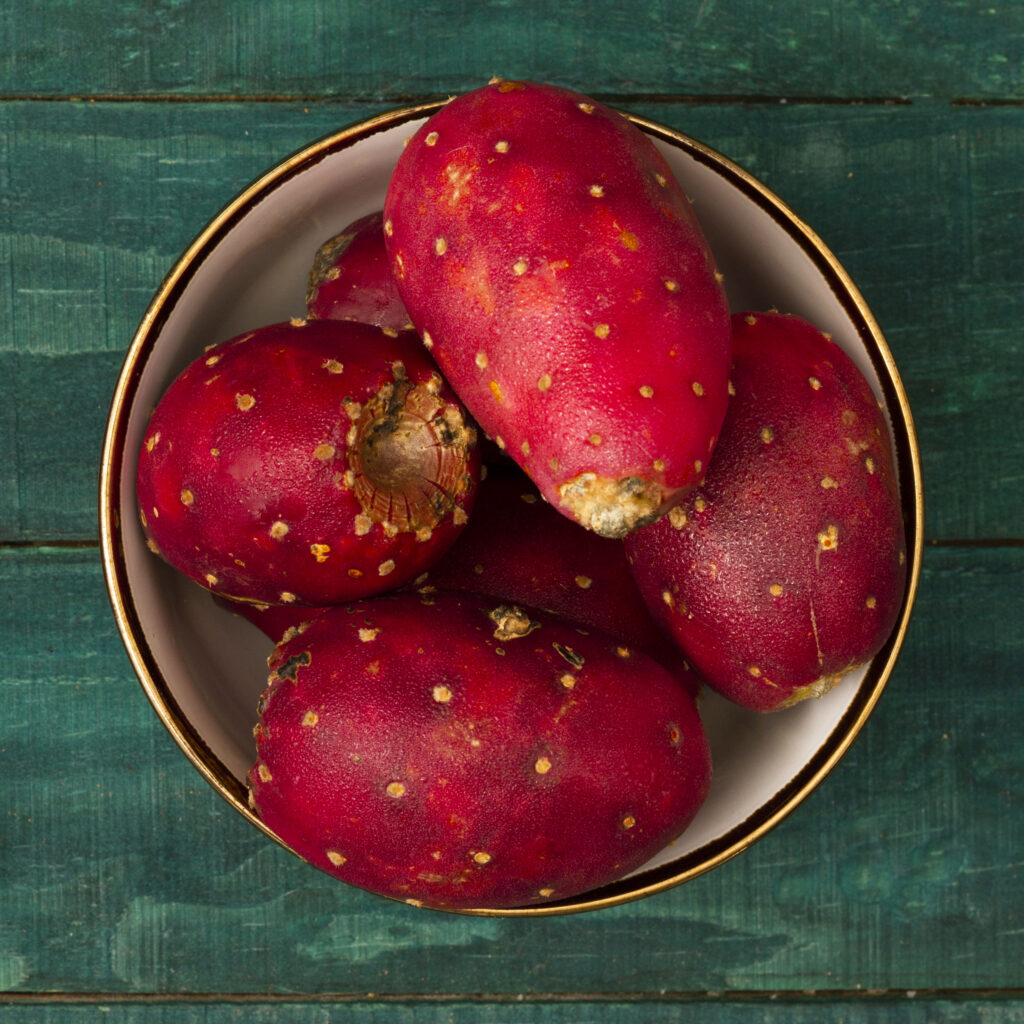
Prickly pear juice, also known as agua de tuna in Mexico, is a vibrant, sweet-tart beverage made from the fruit of the Opuntia ficus-indica cactus. This unique drink boasts a stunning magenta or green hue and a flavor often described as a refreshing blend of watermelon, bubblegum, and pear. But beyond its taste and visual appeal, prickly pear juice is celebrated for its impressive nutritional profile and potential health benefits. From supporting heart health to aiding digestion, this exotic juice is a fantastic addition to any health-conscious lifestyle. In this guide, we’ll explore everything you need to know about prickly pear juice, including its benefits, how to make it, and creative ways to enjoy it.
Do you want to lose weight or do you want to include dry fruits and fruits in your diet? To know their health benefits, you will definitely read these posts.
The Nutritional Powerhouse
Prickly pear juice is low in calories but rich in essential nutrients, making it a great choice for those seeking both flavor and nutrition. Here’s a breakdown of what makes this juice so special:
- Rich in Fiber: One cup of prickly pear fruit provides about 5 grams of fiber, which supports digestive health and helps regulate blood sugar levels. When juiced, the fiber content remains significant, especially if you include some pulp.
- High in Vitamin C: With 23% of the Daily Value per cup, prickly pear juice can boost immune function and promote healthy skin.
- Packed with Antioxidants: Prickly pear juice contains betalains and flavonoids, which give the fruit its vivid color and have anti-inflammatory and antioxidant properties.
- Essential Minerals: It provides magnesium (30% DV), potassium, and calcium, which are crucial for blood pressure regulation, bone health, and muscle function.
- Low in Calories: A serving of pure prickly pear juice contains around 50-125 calories, depending on preparation, making it a hydrating and guilt-free beverage.
Additionally, prickly pear juice is a good source of polyunsaturated fatty acids, particularly in its seeds, which contribute to skin and hair health. This nutrient density makes it a true superfood in a glass.
Science-Backed Benefits

🩸 May Help Manage Blood Sugar Levels
Research suggests that prickly pear juice and cactus can lower blood sugar levels after meals in people with type 2 diabetes. This effect is attributed to its soluble fiber (pectin) and antioxidant compounds, which may improve insulin sensitivity and slow carbohydrate absorption. However, results are mixed, and more human studies are needed to determine optimal forms and doses.
❤️ Supports Heart Health
The prickly pear juice combination of fiber, antioxidants, and minerals like potassium and magnesium may contribute to cardiovascular wellness. These components help regulate blood pressure and reduce cholesterol levels, lowering the risk of heart disease. Some studies indicate that regular consumption can decrease LDL (“bad”) cholesterol and total cholesterol.
🔋 Boosts Immunity and Fights Inflammation
Thanks to its high vitamin C content and betalain antioxidants, prickly pear juice can strengthen the immune system and combat oxidative stress. These properties may also reduce inflammation, potentially alleviating conditions like hangovers. In fact, one study found that taking prickly pear extract before alcohol consumption reduced hangover symptoms by 50%.
💊 Aids Digestion and Gut Health
The fiber in prickly pear juice promotes regular bowel movements and prevents constipation. It also supports a healthy gut microbiome, which is linked to improved overall health. However, excessive consumption may cause bloating or diarrhea due to its high fiber content.
🍽️ Other Potential Benefits
- Liver Health: Traditional medicine uses prickly pear for liver conditions, and some studies suggest its antioxidants may protect against liver damage.
- Skin and Hair Care: The vitamins, minerals, and fatty acids in the juice may nourish skin and hair, though more research is needed.
Note: While promising, many of these benefits require further scientific validation. Prickly pear juice should complement, not replace, a balanced diet and medical advice.
How to Make It at Home
Making prickly pear juice requires care due to the fruit’s tiny spines (glochids). Here’s a safe and effective method adapted from traditional practices.
Ingredients:
- 2-3 pounds ripe prickly pears
- Water (enough to cover the fruit)
- Citric acid or lime juice (to taste)
- Sugar or honey (optional, to taste)
Instructions:
- Handling and Cleaning: Use tongs and wear thick gloves to avoid glochids. Rinse the fruits under cold water. Some people singe off spines over a flame or scrub them with a vegetable brush.
- Prepping the Fruit: Slice off both ends of the fruit and make a vertical cut through the skin. Peel away the skin carefully, or skip this step for a more tart flavor (most tartness is in the skin).
- Boiling and Extracting Juice: Place the whole or chopped fruits in a pot, cover with water, and bring to a boil. Simmer for 20 minutes until soft. Mash with a potato masher or blend with an immersion blender.
- Straining: Strain the mixture through a fine-mesh sieve, cheesecloth, or even a clean pillowcase to remove seeds and pulp. For clearer juice, strain multiple times without pressing.
- Flavoring and Sweetening: Add citric acid or lime juice to enhance tartness and preserve the juice. Sweeten with sugar or honey if desired.
- Serving and Storage: Serve over ice or mix with sparkling water. Store prickly pear juice in the refrigerator for up to two weeks or freeze for longer shelf life.
Pro Tip: Freezing the fruit before boiling can make it softer and easier to process.
Delicious Ways to Enjoy
Prickly pear juice is incredibly versatile. Here are some ideas to incorporate it into your diet:
- Agua de Tuna: The classic Mexican thirst-quencher. Mix juice with water, a squeeze of lime, and a touch of sweetener.
- Cocktails and Mocktails: Add to margaritas, mojitos, or tequila sunrises for a colorful twist. For a non-alcoholic version, blend with lemonade or ginger ale.
- Smoothies: Combine with other fruits like pineapple or strawberry for a nutrient-packed smoothie.
- Syrups and Desserts: Simmer juice with equal parts sugar to make a syrup for pancakes, ice cream, or pastries.
- Jams and Jellies: Use the prickly pear juice to make vibrant, sweet-tart spreads.
Side Effects and Precautions
While generally safe, prickly pear juice has some considerations:
- Digestive Issues: Overconsumption may cause diarrhea, bloating, or nausea due to high fiber content.
- Blood Sugar Interactions: Those with diabetes should monitor their blood sugar closely, as the prickly pear juice may enhance the effects of diabetes medications.
- Surgery: Discontinue use at least two weeks before surgery due to potential blood sugar fluctuations.
- Pregnancy and Breastfeeding: Limited research exists; stick to culinary amounts or consult a healthcare provider.
- Allergies and Sensitivities: Some people may be sensitive to the seeds or fruit. Start with small amounts to assess tolerance.
Always choose ripe, properly prepared fruit to avoid glochid exposure, which can cause skin irritation.
Conclusion
Prickly pear juice is more than just a trendy beverage—it’s a nutrient-dense, flavorful drink with deep cultural roots and promising health benefits. Whether you’re looking to support your blood sugar management, boost your antioxidant intake, or simply enjoy a refreshing and unique drink, this vibrant juice is worth trying. With our guide, you can safely prepare it at home and explore its many culinary uses. So, the next time you spot these colorful fruits at a market or in your backyard, don’t hesitate to transform them into a delicious and healthful juice!
Have you tried prickly pear juice? Share your experiences and favorite recipes in the comments below!
Disclaimer: The information provided on this website is for general educational and awareness purposes only. It should not be considered a substitute for professional medical advice, diagnosis, or treatment. Always consult your doctor or a qualified healthcare professional before making any changes to your diet, medication, or health routine. The author and website are not responsible for any outcomes resulting for the use of this information.
FAQs
What are the main health benefits of prickly pear juice?
Prickly pear juice is celebrated for its potential to help manage blood sugar levels, support heart health by reducing cholesterol, boost immunity with high vitamin C content, aid digestion due to its rich fiber, and reduce inflammation thanks to powerful antioxidants called betalains.
Can prickly pear juice help with diabetes?
Some studies suggest that compounds in prickly pear cactus can lower blood sugar levels after meals for people with type 2 diabetes by improving insulin sensitivity. However, results are mixed, and individuals with diabetes should consult their doctor before consuming it regularly, as it may interact with medications.
Are there any side effects to drinking prickly pear juice?
When consumed in moderation, it is generally safe. However, overconsumption can lead to digestive issues like bloating or diarrhea due to the high fiber content. Those with diabetes or scheduled for surgery should use caution, and always handle the fruit carefully to avoid its tiny spines.
How do you make prickly pear juice at home?
Carefully handle the fruit with gloves to remove spines. Slice off the ends, peel the skin, and chop the fruit. Boil it in water until soft, then mash and strain the mixture through a fine sieve or cheesecloth. You can sweeten the resulting juice with honey or sugar and add lime juice to taste.
What does prickly pear juice taste like?
It has a uniquely refreshing and mildly sweet flavor, often described as a cross between watermelon, pear, and bubblegum. Its vibrant magenta color comes from its antioxidant content, and it can be enjoyed on its own, in smoothies, or as a mixer in cocktails and mocktails.
10 thoughts on “Prickly Pear Juice”