
Table of Contents
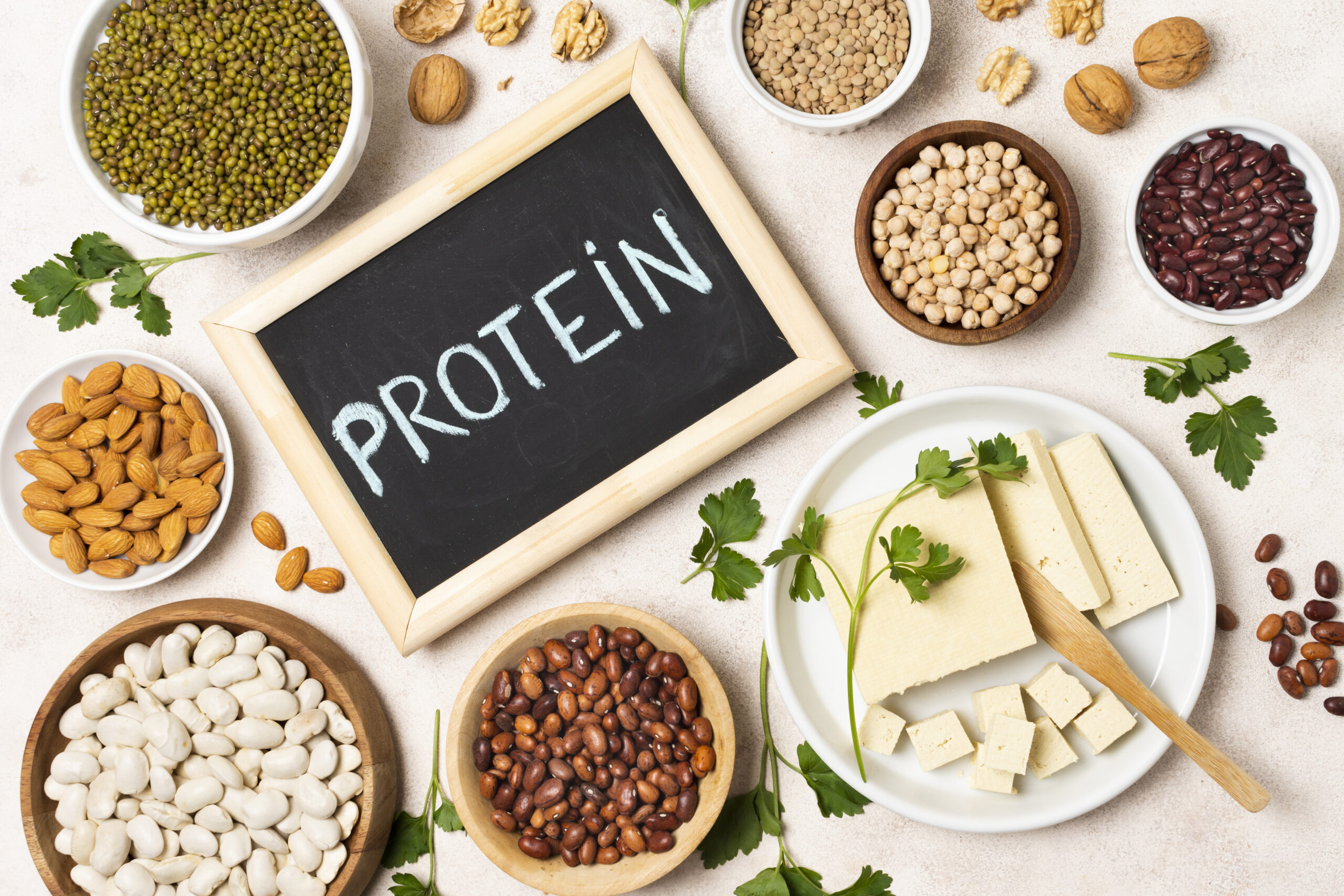
Protein is one of the most important dietary elements that your body needs every day. Whether you want to improve your muscles, lose weight, improve your weight loss, or just stay in shape and energetic, it is important to include enough protein foods in your regular diet. Many vegetarian people struggle to meet their protein needs, but this is absolutely true – especially in India, where traditional food habits contain naturally excellent plant-based protein sources.
In this high protein diet guide, you’ll learn what protein is, why it’s important, and discover the top 20 protein-rich foods for a vegetarian diet. Each food item is explained in detail so that you can understand its nutritional value, benefits and how to include it in your daily diet.
If you often feel weak or tired, check our guide on Vitamin B12 Foods Vegetarian to avoid deficiency.
What is Protein?
Protein is a macronutrient made up of amino acids, which is often called a building blocks of the body. Protein plays an important role in repairing muscles, producing enzymes, balancing hormones, maintaining skin health and immune function. Every cell of your body contains protein, and your cell body uses protein for repair and growth.
Vegetarians often worry about deficiency of protein in their diet, but with proper food choices, it is completely possible to meet the daily protein requirements.
According to general guidelines, adults require approximately 0.8-1 gram of protein per kilogram of body weight. Active people, pregnant women and young children may require more protein.
But now is there good news? Indian vegetables provide dal, legumes, dairy, soya products, seeds and cereals which are naturally rich in protein. When food is combined with proper food – like rice with dal or roti with paneer – you can get a full amino acid profile.
Now, let us know about the top 20 protein rich foods for those who need protein.
Protein plays a major role in muscle and bone growth, just like we explained in our article on Exercise to Increase Height.
Protein Rich Foods for Vegetarians
1. Lentil (Dal)
You will find that lentils not only provide some of the best sources of vegetarian protein available in India (18 g of protein per cup of cooked lentils), but they also represent some of the most cost-effective options for protein consumption as well.
The most widely used types of lentils include toor dal (also called split pigeon peas), moong dal (aka green gram), masoor dal (aka red lentils), urad dal (aka black gram), and these varieties are staples in the Indian diet and are very easy to prepare.
Lentils are not only rich in protein but also rich in minerals like fiber, iron, and folate. They are also helpful to consume for digestion and may supports in regulating blood sugar levels. Lentils are an excellent vegetarian source of complete protein when paired with rice or roti.
There are many different ways to prepare and enjoy lentils, such as in dal, (a vegetarian dish made with lentils), sambar (a vegetarian preparation containing lentils & vegetables), khichdi, or as sprouts salad using lentil.
To maximise the absorption of nutrients when eating lentils, you should soak them prior to cooking. One of the easiest and best ways to increase your daily intake of protein is simply to include dal in every meal on a daily basis.
For better digestion and nutrient absorption, you can also read about the Benefits Carrom Seeds and Fennel Seeds Benefits.
2. Chickpea (Chana)
Chickpeas are an excellent source of plant-based protein and their large protein content of approximately 14 to 15 grams per cup (boiled) or 100-gram serving depending upon type of chickpea. In India, they can be enjoyed as chole, kala chana curry, or roasted as a snack.
Chickpeas also provide a lot of nutrients like fiber, iron, magnesium, and antioxidants. Chickpeas support heart health and improve digestion health. The combination of high levels of protein and fiber in chickpeas gives them their fullness, which can support in weight management.
Some ideas for enjoying chickpeas include using boiled chickpeas to make salads, grinding boiled chickpeas into hummus, or cook traditional Indian-style chana masala. Additionally, consuming sprouted chickpeas increases the nutrients contained in chickpeas, enhances the nutrient availability of protein found in chickpeas, and when eaten regularly consume chickpeas helps to maintain consistent energy levels throughout the day.
3. Paneer
Paneer is one of the most powerful vegetarian protein sources, providing approximately 18-20 grams of protein per 100 grams. This is especially in demand for people who are trying to increase muscle mass or strength.
Paneer is rich in calcium, which helps in maintaining the health of bones. Because it is slow digests, it keeps your stomach full for a long time and reduces the cravings to eat again and again. Homemade paneer is healthier as compared to processed paneer.
You can cook Paneer, add it to salad or grilled snacks like Paneer Tikka, curries, parathas, and you consume protein. Low fat paneer is ideal for people trying to lose weight. Including paneer in your diet 3-4 times a week can reduce your protein intake.
4. Soybean
Soybean is one of the most important plant-based protein sources, providing approximately 28 grams of protein per day when you eat it. In fact, all the essential amino acids, which are helpful in keeping our body healthy, which make them complete proteins.
Soybeans is rich in soybean oil, iron, calcium and omega-3 fatty acids. They help in repairing everyday muscle health and heart problems.
You can cook soya beans in curry, grind them in flour, or consume roasted soya snacks. Proper soaking and cooking of the soybean improves the digestion power.
Including soybeans on a weekly basis helps in meeting high protein requirements or helps in maintaining energy in the body.
5. Tofu
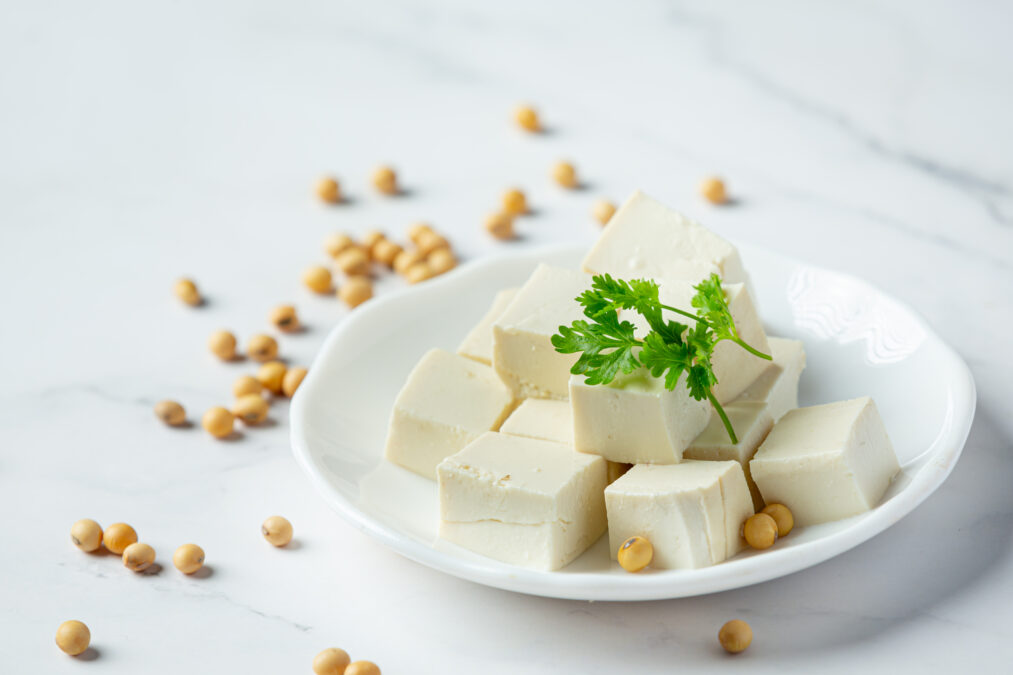
Tofu is made from soya milk and eating it adds approximately 10-12 grams of protein to our body in 100 grams. This is a great dairy-free option for vegetarians who avoid paneer and do not eat animal-based products.
There is low calorie in the top but there is a lot of protein, calcium and iron. It easily absorbs the flavors in any dish, making it popular for Indian and international cuisine. You can fry the tofu with vegetables, add it to curry, or grill it with spices. Homemade tofu works very well for cooking Indian food. This is an ideal option for vegans and lactose-intolerant individuals.
6. Kidney bean (Rajma)
Whenever we eat 1 cup of cooked rajma, it provides approximately 15 grams of protein to our body. It is widely consumed in North India, especially people like to eat it in the form of rajma chawal.
Kidney beans are becoming rich in fiber, iron, and potassium. They have helped me improve my health and improve digestion. To improve digestion power, always soak the rajma overnight and then cook and eat it.
Mixing rajma with rice ensures better protein quality. Rajma fills the stomach and increases energy, making it a good option for lunch as you can consume protein.
7. Peanut
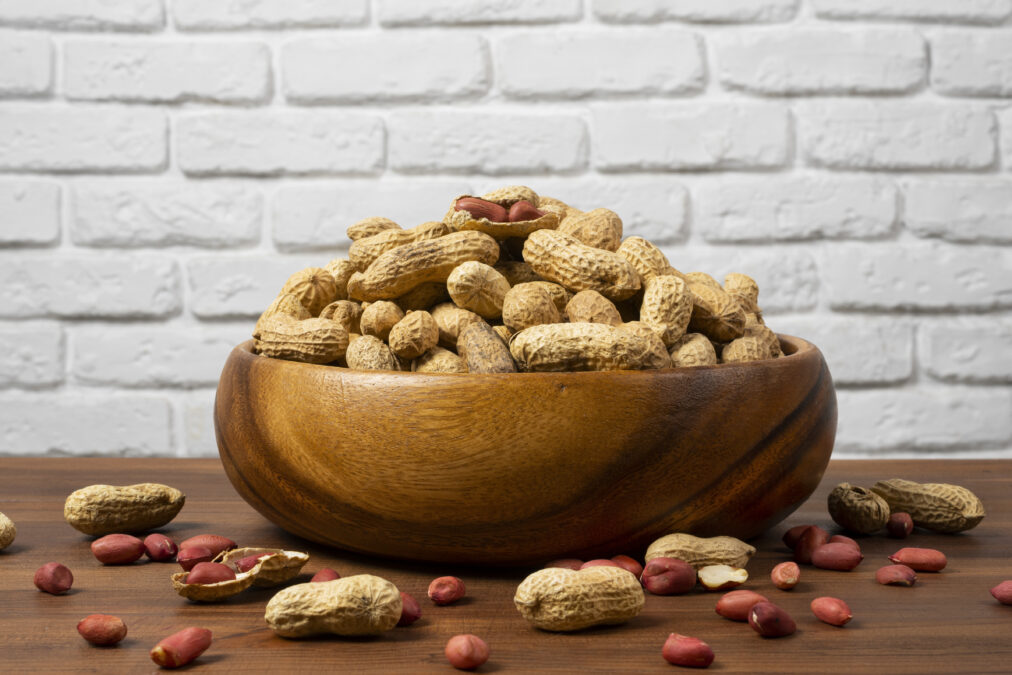
We eat 30 grams of Peanuts, we get approximately 7 grams of protein. They are commonly used and easily available in India.
They are rich in healthy fats, vitamin E and antioxidants. The elements of Peanuts help us in our daily heart health and provide continuous energy.
You can eat roasted Peanuts, Peanut chaat or Peanut butter. Choose unsalted Peanut versions option for better health benefits.
8. Almond
We can eat 28 grams of almonds per day, we get approximately 6 grams of protein. The almond nutrient are increase the healthy fats in the body.
Eating soaked almonds improves digestion and absorption of nutrition elements. Almonds helps in brain function and daily heart health.
You can eat them raw, soaked or in the form of almond milk. Including a handful of almonds in your diet every day helps our body consume intake of protein.
9. Greek yogurt
Per 100 grams of Greek yogurt provides 8-10 grams of protein. It is thicker than regular curd and contains more protein.
Eating it improves gut health due to probiotics. Greeks yogurt eat to help in maintaining the muscles.
You can also consume Greek yogurt in smoothies or in the form of raita. Choose the sugar-free version for better health benefits. To improve gut health naturally, don’t miss our article on Fenugreek Seeds Water Benefits.
10. Milk
Milk per cup contains provides approximately 8 grams of protein. It contains high-quality complete protein.
Daily consumption of milk helps in bone health due to the calcium and vitamin D it provides. This is ideal for children and adults.
You can consume milk plain, mix it with haldi or make it into smoothie. Low fat milk is suitable for people who want to lose weight.
11. Quinoa
Eating one cup of cooked quinoa adds approximately 8 grams of protein to our body. This supplement is a complete protein and gluten-free. Though not traditional, it is gaining popularity in India.
It can replace rice in the diet mainly for those who want to lose weight or do not want to eat rice.
12. Oats
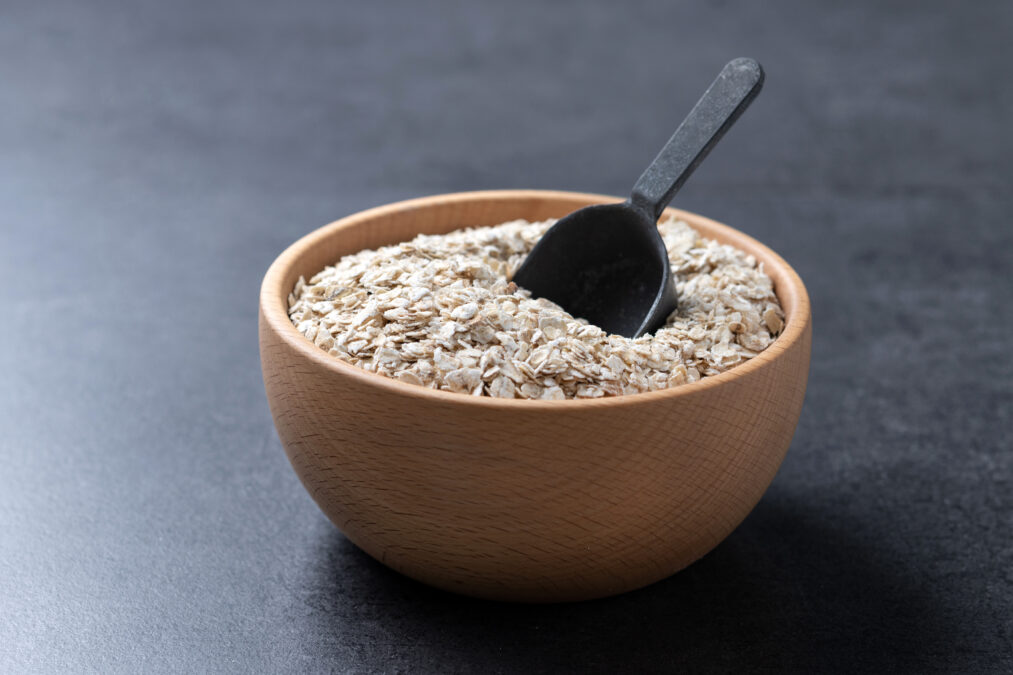
We eat half cup of oats we get approximately 5-6 grams of protein. They are excellent source of fiber and great option for breakfast. You can make oats upma and eat oats porridge are healthy option.
13. Moong Sprouts
Sprouted moong increases the bioavailability of protein. Eating sprouted mung adds approximately 14 grams of protein in the body and makes the digestion strong and supports immunity.
14. Black Beans
When we eat it per cup black beans, we get approximately 15 grams of protein. They are filling our body and are good for heart health.
15. Chia Seeds
Two tablespoons of chia seed give you 4 – 5 grams of protein, plus they have a high concentration of omega-3’s and dietary fibre.
16. Pumpkin Seeds
28 grams of pumpkin seeds provide about 7 grams of protein per serving, making them an excellent snack or salad dressing.
17. Sunflower Seeds
Sunflower seeds are another great source of protein, providing approximately 6 grams per 28 gram serving. They also help promote good heart health.
18. Green Peas
Green peas are not only a very good source of affordable and versatile protein; they have 8 – 9 grams of protein in 1 cup.
19. Amaranth (Rajgira)
Amaranth or rajgira, is also gluten free and rich in protein. Amaranth will help you maintain strong bones and boost your energy levels.
20. Whole Wheat
Whole wheat is moderate in protein but is very nutritious when combined with either one of the proteins dal and/or paneer.
Along with protein foods, you can try natural drinks like Cinnamon Water Benefits to support metabolism.
Protein Fruits
While fruits are not rich in protein at the time of fruit consumption, they contain only a moderate amount:
- Guava
- Avocado
- Banana
- Pomegranate
- Jackfruit
These fruits support overall nutrition but should be paired with some other protein source.
FAQs
How can vegetarians get enough protein daily?
Vegetarians can meet their daily protein needs by including lentils, chickpeas, paneer, tofu, soybeans, milk, seeds, and nuts in their meals. Combining grains and legumes (like rice and dal) improves protein quality and amino acid balance.
What is the best protein rich food for vegetarian muscle gain?
Paneer, soybeans, tofu, lentils, and chickpeas are excellent protein sources for muscle gain. These foods provide high-quality protein that supports muscle repair and recovery after workouts.
Are protein fruits enough for vegetarians?
Fruits like guava and avocado contain small amounts of protein, but they are not sufficient alone. They should be combined with legumes, dairy, or seeds to meet daily protein requirements.
How much protein does a vegetarian need per day?
On average, adults need around 0.8–1 gram of protein per kilogram of body weight. Active individuals may require 1.2–1.6 grams per kilogram for better muscle support.
Is vegetarian protein as good as non-vegetarian protein?
Yes, vegetarian protein can be equally effective when you eat a variety of foods. Combining different plant sources ensures you get all essential amino acids needed by the body.
Conclusion
If you plan your meals properly, you can fulfill your protein needs completely. Including lentils, legumes, dairy, soya products, seeds and whole grains ensures a balanced diet, for our body require. Traditional Indian diets naturally contain a mixture of protein sources, which makes them effective and affordable.
Focus on variety, portion control, and proper cooking methods. With the top 20 protein-rich foods for super-conscious vegetarians, you can easily create a healthy Indian diet plan that supports muscle growth, weight management and overall well-being – naturally and safely.
Disclaimer: The information provided on this website is for general educational and awareness purposes only. It should not be considered a substitute for professional medical advice, diagnosis, or treatment. Always consult your doctor or a qualified healthcare professional before making any changes to your diet, medication, or health routine. The author and website are not responsible for any outcomes resulting from the use of this information.