
Table of Contents
Strawberries are full of joy. When you look at a strawberry and see its heart shape and vibrant red color, you can almost smell the sweet, slightly tart strawberry aroma and picture summer picnics in the sun or a huge strawberry field. We usually think of strawberries being eaten whole or in desserts or breakfast bowls, but the real magic of strawberries comes from drinking strawberry juice. Strawberry juice is a delicious drink as well as a concentrated energy source filled with good nutrition and sunshine! Let’s take a closer look at these wonderful fruits and their high-quality juices!
Strawberry Fruit
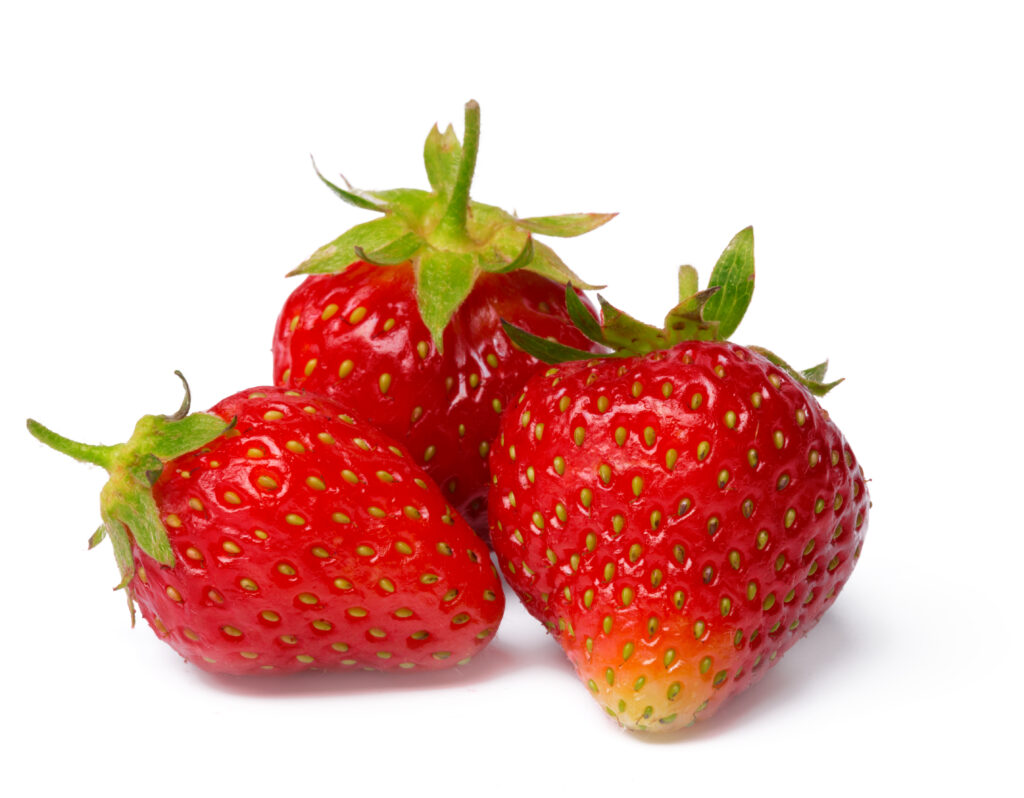
Before we get to the juice, let’s appreciate the source. Botanically speaking, the strawberry (Fragaria × ananassa). To understand strawberries, we need to understand the term “berry” from botany’s point of view. According to botanists, strawberry fruit aren’t considered true berries; they are “aggregate accessory fruits” because the seeds on the outside of the strawberry (the tiny yellow bits) are actually individual “fruits” within each strawberry.
Despite their scientific classification, strawberries have been grown around the world for thousands of years and are part of the rose family. The sweet and sour taste combination (known as the taste profile) of strawberries can vary depending on variety, ripeness and climate in which they are grown. The taste of strawberries changes based on the type of strawberry-some varieties have a very strong sweet flavor and some have more mild sweetness. Many types of strawberries also have additional flavor traits such as tartness and acidity that add depth to the taste profile.
All strawberries contain a lot of nutritional value, especially considering how few calories they contain. In season, strawberries are at their sweetest and have the highest levels of vitamins, minerals and phytonutrients, making them an ideal starting place to create an amazing juice.
What is Strawberry Juice?
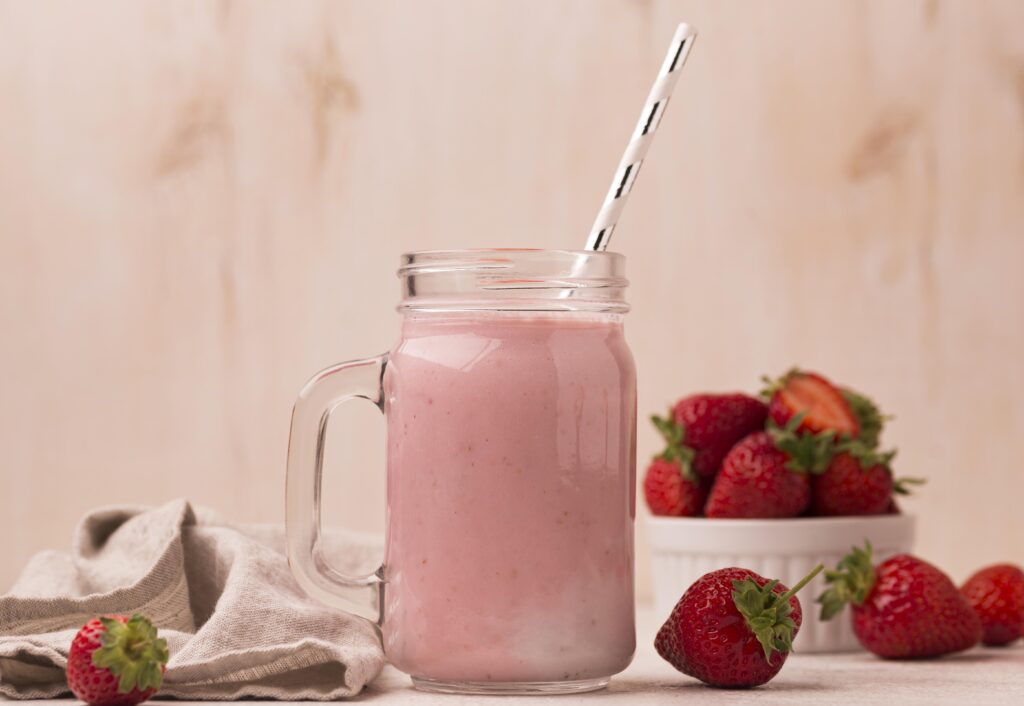
Freshly pressed strawberry juice is the essence of strawberries that has been extracted from whole strawberries. Unlike blended smoothies, homemade juices generally require the pressing and filtering of fruit to create a finished product that is completely smooth without seeds or pulp. The result is a very bright, intense-tasting drink that contains no added sugars, artificial flavourings, or other fakes.
However, store-bought strawberry juice will often contain several ingredients that are not quite as beneficial as the juice itself. Many mass-produced products are made with high levels of sugar and preservatives. The focal point of this post is fresh, homemade strawberry juice, as it truly represents the unaltered essence of strawberries in its purest form. You can use fresh strawberry juice on its own, mixed with other juice varieties to create a wonderful spritzer-type blend, or incorporated into cocktails or mocktails. Strawberry juice has incredible versatility and provides a variety of health benefits as well.
8 Remarkable Strawberry Juice Benefits
Why make the switch from whole fruit to juice? Although eating whole strawberries has significant amounts of dietary fiber, juicing has multiple health benefits, including being able to provide a high concentration of vitamins, minerals, and phytochemicals that are absorbed more readily and rapidly. Below are eight great examples of the advantages to juicing.
1. A Berry That Packs A Crazy Amount Of Oxygen Munching-and-Dumping Features: Strawberries are acclaimed for their amazing amounts of vitamin C. However, they also boast a rich profile of other antioxidants like anthocyanins (which are responsible for the deep red hue of strawberries), ellagic acid, and quercetin. Collectively, these compounds help to neutralize oxidative stress and reduce free radical activity in the body, resulting in decreased cell death due to damage or inflammation.
2. Boost Your Heart Health By Eating Strawberries: Studies have indicated that anthocyanins are connected to having less heart attacks, so that may lead to an increased chance of having fewer heart attacks. Strawberries have potassium in them which can regulate one’s blood pressure. It is also thought that a combination of fiber (you should keep some strawberry pulp), folate, and antioxidants can help you maintain a healthy cholesterol level and optimize heart function.
3. Strengthens Your Immune System: In one cup of strawberries, you receive more than 100% of your recommended daily value of vitamin C. Because multiple cups of strawberries were used to make the juice, the concentration of vitamin C is enormous. Vitamin C is essential to producing white blood cells and acts as an antioxidant.
4. Supports Healthy Skin: The same vitamin C that runs and operates your immune system is also required to produce collagen (a protein that gives our skin a smooth and even appearance). Antioxidants found in strawberries can protect your skin against damage resulting from UV rays and environmental pollutants, possibly resulting in the reduction of wrinkles and an improved texture of the skin.
5. Chronic inflammation can lead to numerous diseases. To aid in reducing inflammation, strawberry juice contains many antioxidants, which create an anti-inflammatory effect on individuals with chronic inflammatory conditions (e.g., arthritis) and allow the body to function better.
6. Promotes Healthy Vision: Strawberries contain Vitamin C, which may protect your eyes from damage by free radicals. Strawberries are also considered a quality source of antioxidants such as Ellagic acid and flavonoids, which help to protect against cataracts and macular degeneration.
7. May Support Blood Sugar Regulation: Even though strawberries are sweet, they have a low glycemic index (GI), meaning they cause little or no rise in blood glucose levels. Antioxidants such as ellagic acid may improve insulin sensitivity and, combined with the fiber found in strawberries, may help to stabilise blood sugar levels following starchy meals.
8. A Natural Hydration Boost: Strawberry juice, due to its high water content and great taste, is a great option to enhance your daily fluid intake, therefore keeping you hydrated and nourishing all functions of the body, including cognitive function and the functions of the kidneys.
Read fruits beneficial posts- Chiku, Kiwi, Papaya, Custerd apple, Wood apple, Rose apple, Water apple, Ice apple, Star fruit, Pineapple, Avocado, Mangosteen, Rambutan, Longan fruit, Lychee…and more in health-icon.com.
Strawberry Juice Nutrition
Minerals: Juicing fresh strawberries produces a juice packed with vitamins and minerals that have a high concentration of vitamins C & K. The juice also has some B vitamins (folic acid – B9), as well as potassium (to maintain heart and muscle function), manganese (for building bones), and trace amounts of magnesium and iron.
Antioxidants: Because of its large amounts of antioxidants (including anthocyanins, ellagic acid, quercetin, and catechin), strawberry juice is especially healthy for preventing illness and maintaining a healthy body.
Low in Calories: In addition to its nutritious properties, fresh strawberry juice has fewer than 90 calories per 8 oz. serving, which means you can drink it sans added sugar without worrying about gaining weight.
Note the Fiber: Note that juicing removes most of the “fibrous” part of strawberries (the insoluble fiber), so for those seeking benefits from fiber, consider either blending and straining, or simply using the whole fruit to drink.
Strawberry Tree
Here’s a quick clarification regarding an area where I often see people wonder. Strawberries are not grown on trees. When people say “strawberry tree” they are talking about a totally different plant (Arbutus unedo) that produces red berries that look similar to strawberries, but are more mealy and lack the same flavor as strawberries.
On the other hand, true strawberries grow from low-growing perennial plants and spread by sending out runners and forming their classic fruit from small white flowers. This low-growing appearance is part of the attraction of strawberries- they’re a treasure that is right in front of you and may not be easily seen! Read- Apricot, Peach, and Plum fruit benefits.
Strawberry Juice Recipe
Making strawberry juice at home is simple, ensures purity, and tastes infinitely better than store-bought alternatives.
Ingredients:
- 4 cups fresh, ripe strawberries, hulled and washed
- 1-2 cups cold water (adjust for desired thickness)
- Juice of 1/2 lime or lemon (enhances flavor and preserves color)
- Optional: A natural sweetener like honey, maple syrup, or a pitted date if berries are tart
- Optional: Fresh mint or basil leaves for an herbal twist
Instructions:
- Prepare: Clean the strawberries thoroughly and remove the green stems (hulls).
- Blend: Place the strawberries, cold water, lime juice, and any optional add-ins into a high-speed blender. Blend on high until completely smooth.
- Strain (Optional): For a clear juice, pour the blended mixture through a fine-mesh sieve or nut milk bag into a pitcher, pressing with a spoon to extract all liquid. For more fiber, skip this step or strain only partially.
- Chill: Refrigerate the juice for at least an hour to let the flavors meld and serve it cold.
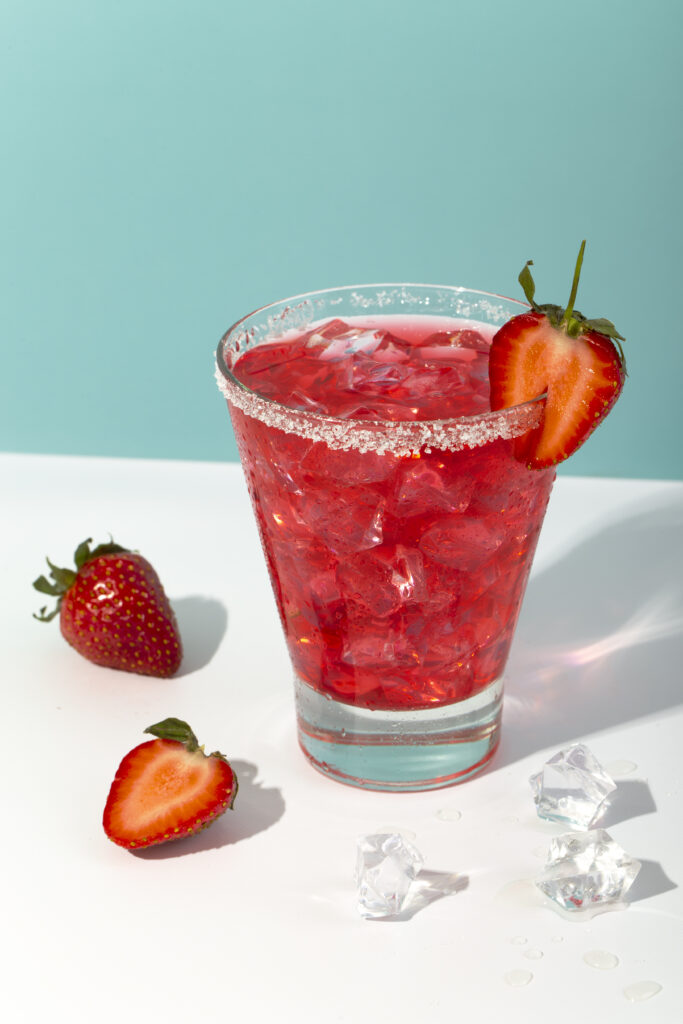
- Serve: Pour over ice, garnish with a fresh strawberry or mint sprig, and enjoy immediately for the best flavor and nutrient retention.
Pro Tip: For a sparkling version, top your glass with chilled seltzer water. You can also freeze the juice into popsicles for a healthy, refreshing treat.
Read this fruits benefits- Guava, Amla, Black grapes, Passion fruit, Artichoke, Pear, Bael, Dragon fruit…and more in health-icon.com.
Strawberry Side Effects
Strawberry juice is generally safe to drink for most people if you take into account a few key issues. They are:
• Allergens: Some people may have an allergy to strawberries that can produce symptoms such as hives, itching, or swelling. If you have Oral Allergy Syndrome (OAS) due to birch pollen, you may also experience reactions.
• Sugar: All fruit juices contain natural sugars, and sometimes those amounts can be quite high. Although strawberry juice is a healthier alternative than drinking sugary soft drinks, if you are managing your blood sugar levels, it’s best to drink strawberry juice in moderation and, if possible, consume it along with some protein or fiber to slow down the absorption of sugar into the bloodstream.
• Pesticides: Strawberries are often included on the “Dirty Dozen” list of fruits and vegetables that contain pesticide residue. It is therefore recommended that you wash your strawberries thoroughly before juicing them, or use organic strawberries instead.
• Oxalate: Oxalates are a compound that occurs naturally in strawberries and can, in large amounts, cause kidney stones in some people who are susceptible to them. Moderation should always be practiced when consuming strawberries, and any possible negative effects could be reduced through moderate consumption.
• Fibers Removed During Juicing: You lose the fiber from strawberries when you juice them, so it is important to balance your juice intake with lots of other whole fruits, vegetables, and high-fiber foods.
Read these fruits juice benefits and side effects- Mosambi juice, Amla juice, Sugarcane juice, Muskmelon juice, Pomegranate juice, Papaya leaf juice, Prickly pear juice…and more in health-icon.com.
Conclusion
The humble strawberry gives us a simple, tasty method for achieving health and vitality when compared to today’s wondrous superfood options and pricey supplements. Turning strawberries into juice captures all that summer could offer us in terms of wellness for our bodies. So, the next time you come across some lovely, ripe strawberries, think about juicing them in honor of summer’s bounties. You will not only enjoy every drop of liquid sunshine, but also feel good about doing something for your body.
Remember: When it comes to creating beneficial recipes with strawberries, fresh juices prepared at home always yield you the most benefit. Take this opportunity to enjoy and appreciate the entire juicing experience while nourishing your body with the nutrients from this natural food. Cheers to your health!
Disclaimer: The information provided on this website is for general educational and awareness purposes only. It should not be considered a substitute for professional medical advice, diagnosis, or treatment. Always consult your doctor or a qualified healthcare professional before making any changes to your diet, medication, or health routine. The author and website are not responsible for any outcomes resulting for the use of this information.
FAQs
It’s recommended for a sweeter, brighter-tasting?
Bitterness usually comes from unripe berries or the white core. For the sweetest juice, always use fully ripe, red strawerries and hull them properly before blending.
Do I need to remove the green tops (hulls) of the strawberries?
It’s recommended for a sweeter, brighter-tasting juice. However, the greens are edible and contain nutrients, so it’s a personal choice. You can simply twist them off by hand.
Can I use frozen strawberries?
Yes. Use an equal amount of frozen berries. You may need to add a touch more water to help your blender, and the juice will be deliciously cold.
1 thought on “Strawberry Juice Benefits for Health & Skin”