
Table of Contents
Vitamin B12 is one of the most essential nutrients element that your body needs, and yet it is also one of the most misunderstood nutrients elements – especially among vegetarians. Since vitamin B12 is naturally found in animal-based foods (non-veg), many people following vegetarian diets often worry about B12 deficiency.
If you are a beginner and vegetarian how to maintain a healthy B12 level naturally, this detailed guide will help you. In this article, we will explore the top 15 Vitamin B12 rich foods vegetarian, understand how B12 works in the body, their symptoms, and practical ways to maintain optimal levels safely.
What Is Vitamin B12 and Importance?
Vitamin B12, also known as cobalamin, is a water-soluble vitamin that plays a major role in:
- B12 helps in the producing red blood cells.
- DNA synthesis
- It improves brain function
- Nervous system health
- Energy production
One can suffer from fatigue, tiredness, sleeplessness, etc. related problems due and can even lead to anemia. Since vegetarian people do not eat all the basic natural sources of meat and fish – B12, it becomes very important to get information about the popular vegetarian alternatives.
Signs of Vitamin B12 Deficiency
Before finding vegetarian food ingredients, it is important to understand the basic symptoms of B12 deficiency:
- To have a regular tiredness
- Pale or yellowish of skin
- There is a tingling in the hands and feet.
- Poor memory or confusion
- Changes of mood
- Getting into trouble while taking the breath
If these symptoms persist, it is advisable to seek advice from a health care professional.
If you often feel low energy levels despite eating properly, you may also benefit from reading our detailed guide on Healthy breakfast, where we explain how proper nutrition and movement together support overall growth and vitality.
Frequent fatigue and weakness can sometimes overlap with digestive issues, so you may also want to explore our article on How to Reduce Acidity Immediately Using Home Remedies to understand how gut health affects nutrient absorption.
Top 15 Vitamin B12 Foods Vegetarian
Below are some vegetarian diet-friendly sources that can help in consuming B12.
1. Milk
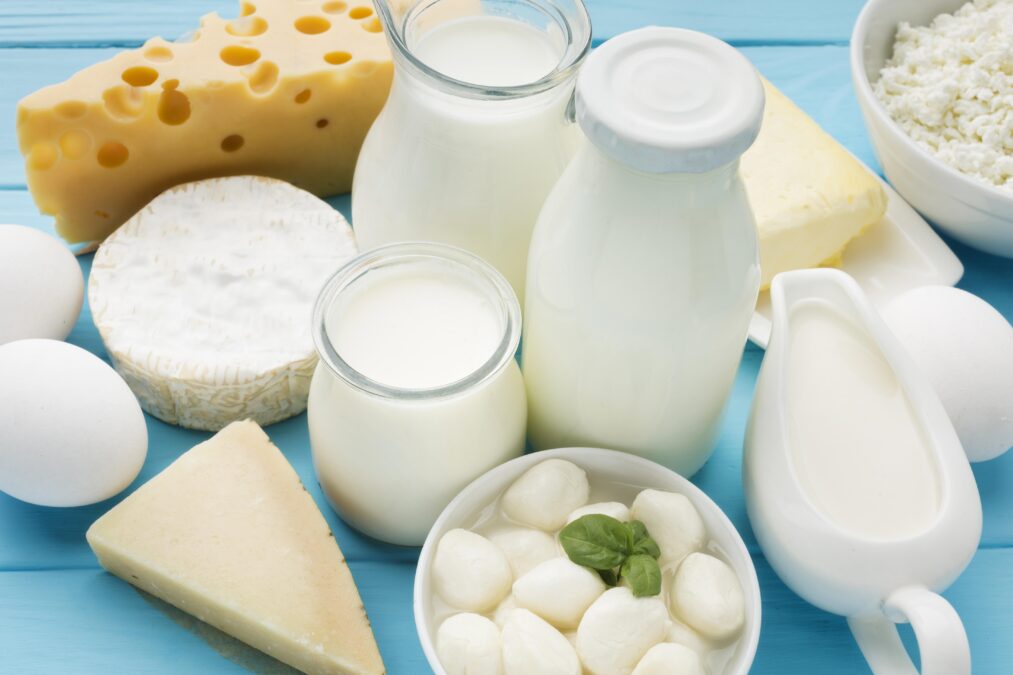
Milk is one of the most beneficial or most important dietary sources of vitamin B12. One cup of milk can provide a major portion of the daily B12 essential nutrients. It is naturally rich in dietary elements like calcium, protein and vitamins, which make it a completely healthy drink.
Regular consumption of milk helps maintain nerve health and supports red blood cell production. There is a special demand for milk-fed children, pregnant women and older adults, which can hinder the health related benefits of other types of nutrition. Drinking warm milk before sleeping can help in keeping the better sleep quality.
For those who are helpless, there are alternatives to , lactose-free dairy milk available in the name of B12 content. Drinking one to two glasses of milk daily can help consumers maintain a naturally healthy B12 level.
2. Yogurt (Curd)
Yogurt is another very important vegetarian source of Vitamin B12. It not only contains B12 but it also provides probiotic properties that support gut health. A healthy digestive system improves the absorption of nutrient dietary elements including vitamin B12.
Regular consumption of yogurt can help in immunity, digestion and bone health. It is easy to include in daily routine meals – whether it is eaten plain, mixed in smoothies, or added to meals as a raita.
Greek yogurt is high in protein and can be especially sought after by people to maintain muscle health and maintain energy levels. To avoid excess sugar intake, it is always better to choose or eat yogurt without sugar.
3. Cheese
Cheese along with protein and calcium provides vitamin B12 in medium quantity which is very important for our body. Different varieties like cheddar, mozzarella and paneer (cottage cheese) have different B12levels.
Cheese is especially popular in the diet of vegetarian people and can be included in curry, salad or grilled dishes. While cheese is nutritious, the heat is great because in some varieties the level of the saturated fat can be higher.
Including small portions of cheese in the meals can contributes to the daily intake of B12 while improving both taste and nutrition.
4. Fortified Breakfast Cereals

One of the best vegetarian sources of Vitamin B12 is fortified breakfast cereals. Because there is no natural source of Vitamin B12 in plant food, therefore many cereal companies add synthetic vitamin b12 to these products to make them a better nutritional value. Fortified cereals make for a great vegetarian and vegan option.
Depending on brand, a single serving of a fortified cereal can provide from 25% to 100% of one’s daily vitamin B12 requirements, so be sure to check the nutrition label for the actual amount.
Including fortified cereal into your morning meals is easy. Use fortified cereal along with milk or fortified plant-based milk, fresh fruit, and you will have a balanced breakfast. This combination will not only increase you vitamin B12 intake, but will also aid with digestion and energy level.
Be sure to choose cereals with low sugar and artificial ingredients as well as whole grains for greater sustainable energy and digestive health.
Since proper digestion is essential for Vitamin B12 absorption, you can also read our guide on Fennel Seeds Benefits, which explains how natural herbs support digestive wellness.
5. Fortified Plant-Based Milk
Soy, almond, and oat milks (plant-based milk substitutes) are frequently fortified with vitamin B12 since they do not have any naturally occurring vitamin B12. As a result, manufacturers will add the vitamin to these products to be beneficial toward individuals following vegetarian or vegan diets.
One cup of fortified soy milk contains approximately 50% of your daily requirement for vitamin B12. Furthermore, it also offers protein and calcium which is why soy milk is an excellent choice.
Fortified plant-based milk can be used in smoothies, coffee, tea, cereal, and baking and is particularly beneficial for those who do not consume dairy products.
It is essential to read the label before purchasing to minimize confusion, look for “fortified with vitamin B12”, and unsweetened milk options should be purchased whenever possible.
Many people include herbal drinks in their routine. You can explore Cinnamon Water Benefits to understand how certain drink support metabolism and overall health.
6. Nutritional Yeast
Nutritional yeast is a well-liked fortified Vitamin B12 source for vegetarians and vegans. It has a cheesy/nutty flavor and is used in many dishes like salads, pasta, and soups.
Fortified nutritional yeast can provide 100% or more of your daily Vitamin B12 requirements in a small quantity (1 or 2 TBSP).
Moreover, nutrition yeast is particularly helpful to vegans since they do not consume many dairy products.
7. Paneer
Paneer is popular among vegetarians, particularly those living in India. Paneer has a high content of protein and provides sufficient Vitamin B12.
Eating paneer regular, in moderate amounts, will assist with muscle recovery and producing energy.
Paneer can be prepared in various ways (e.g., grilled, salad, or sautéed) that are lightly sautéed dishes.
8. Butter
B12 is found in very small amounts in butter; however, it should only be consumed occasionally because of its high fat content. Still, when eaten as part of a healthy meal, it contributes to your total Vitamin B12 intake.
9. Buttermilk
Buttermilk has low levels of Vitamin B12, but it has been shown to aid with digestion. Drinking buttermilk regularly may both, promote hydration and support gut health.
10. Fortified Tofu
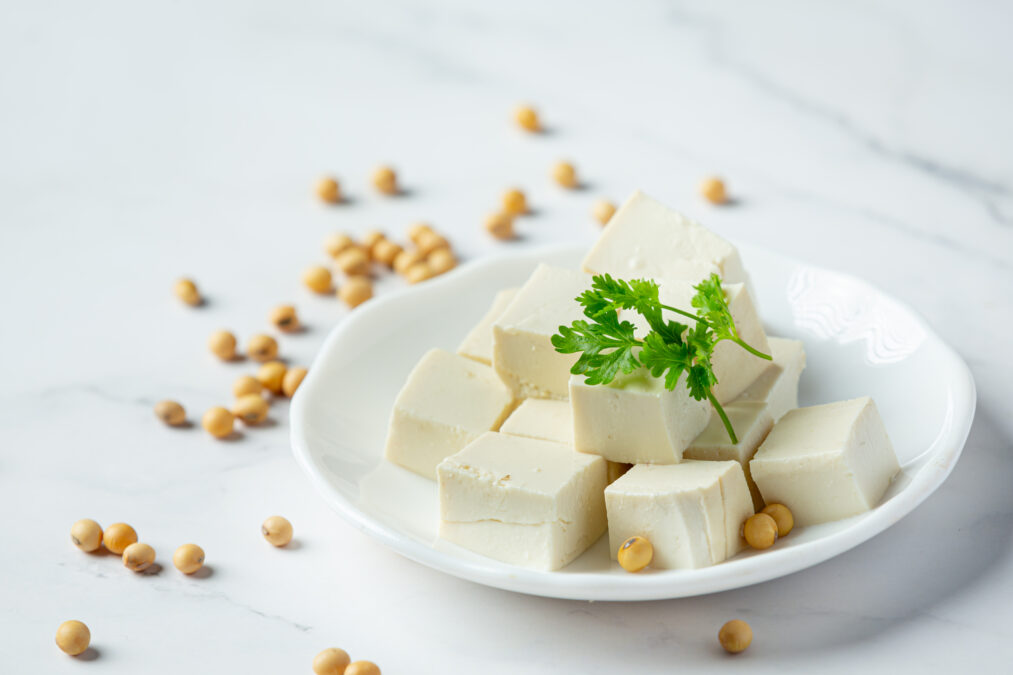
Tofu does not have a naturally occurring source of Vitamin B12; however, some brands add Vitamin B12 to their canned tofu. Therefore, fortified tofu is an excellent source of B12 for people eating a strictly plant-based diet. Fortified tofu is an excellent source of plant protein and can help to build muscle strength.
Fortified tofu is a suitable protein-rich source of food for vegetarians and can be used in stir-fry, curry dishes, and as a grilled food item.
Before you buy tofu, ensure you check the label for any indication of additional Vitamin B12.
11. Fortified Orange Juice
Some brands of orange juice are fortified with Vitamin B12. This method of obtaining B12 is great for those who do not consume dairy products.
When carefully selecting your orange juice, be sure to look for pure varieties; many brands add sugar.
12. Fortified Energy Bars
Certain vegetarian energy bars include added Vitamin B12.
These can be convenient during travel but should not replace whole foods. Always check labels for sugar content and choose balanced options.
13. Mushrooms (Limited Source)
Some mushrooms may contain small amounts of Vitamin B12 depending on soil and cultivation conditions.
Although they should not be your primary source, mushrooms can support overall nutrition and add variety to meals.
14. Tempeh (Fermented Soy)
Tempeh is a fermented soy product that may contain small amounts of Vitamin B12, especially when fortified.
Fermented foods can support digestive health, which indirectly helps nutrient absorption.
Tempeh can be grilled, fried, or eaten as an addition to salads and wraps.
15. B12 Supplements (If Recommended)
Although not a food, supplements are often necessary for strict vegetarians and vegans.
Consult a healthcare professional before starting supplementation.
Supplements ensure consistent and adequate intake, especially if dietary sources are insufficient.
How Much Daily Need of Vitamin B12
The average daily need of Vitamin B12 for adults is 2.4 mcg daily, with some additional needs for women during pregnancy and breastfeeding.
Tips to Improve B12 Absorption
- Have your levels checked if any symptoms show up.
- Maintain good gut health.
- Avoid drinking too much alcohol.
- Get treatment for any digestive disorders.
- Add food with probiotics to your diet.
- Follow the recommended dosage for any supplements you take.
FAQs
How much Vitamin B12 do adults need daily?
Most adults require about 2.4 micrograms per day.
Can vegetarians become deficient in Vitamin B12?
Yes, especially if they do not consume fortified foods or supplements regularly.
What are symptoms of deficiency?
Fatigue, weakness, tingling sensation, memory issues.
Are supplements necessary for vegetarians?
In many cases, supplements help maintain optimal levels, but consult a healthcare professional.
Conclusion
Vitamin B12 is important for energy levels, brain performance, and a healthy body. The only natural sources of Vitamin B12 are animal-based products; therefore, people following a vegetarian diet need to consume fortified foods, dairy products, and plan their meals with this information in mind to meet their daily requirement of Vitamin B12.
A simple way to meet your daily requirement of Vitamin B12 would be to make sure you include in your diet regularly any of the following types of food items:
Fortified breakfast cereals
Plant-based milks
Dairy products (cheese or yogurt)
Nutritional yeast
Paneer (fresh Indian cheese) or cheese made from casein
By making informed dietary choices and staying consistent, you can maintain optimal Vitamin B12 levels and support long-term health safely and effectively.
If you experience persistent fatigue or neurological symptoms, consult a qualified healthcare professional for proper evaluation.
Disclaimer: The information provided on this website is for general educational and awareness purposes only. It should not be considered a substitute for professional medical advice, diagnosis, or treatment. Always consult your doctor or a qualified healthcare professional before making any changes to your diet, medication, or health routine. The author and website are not responsible for any outcomes resulting from the use of this information.