
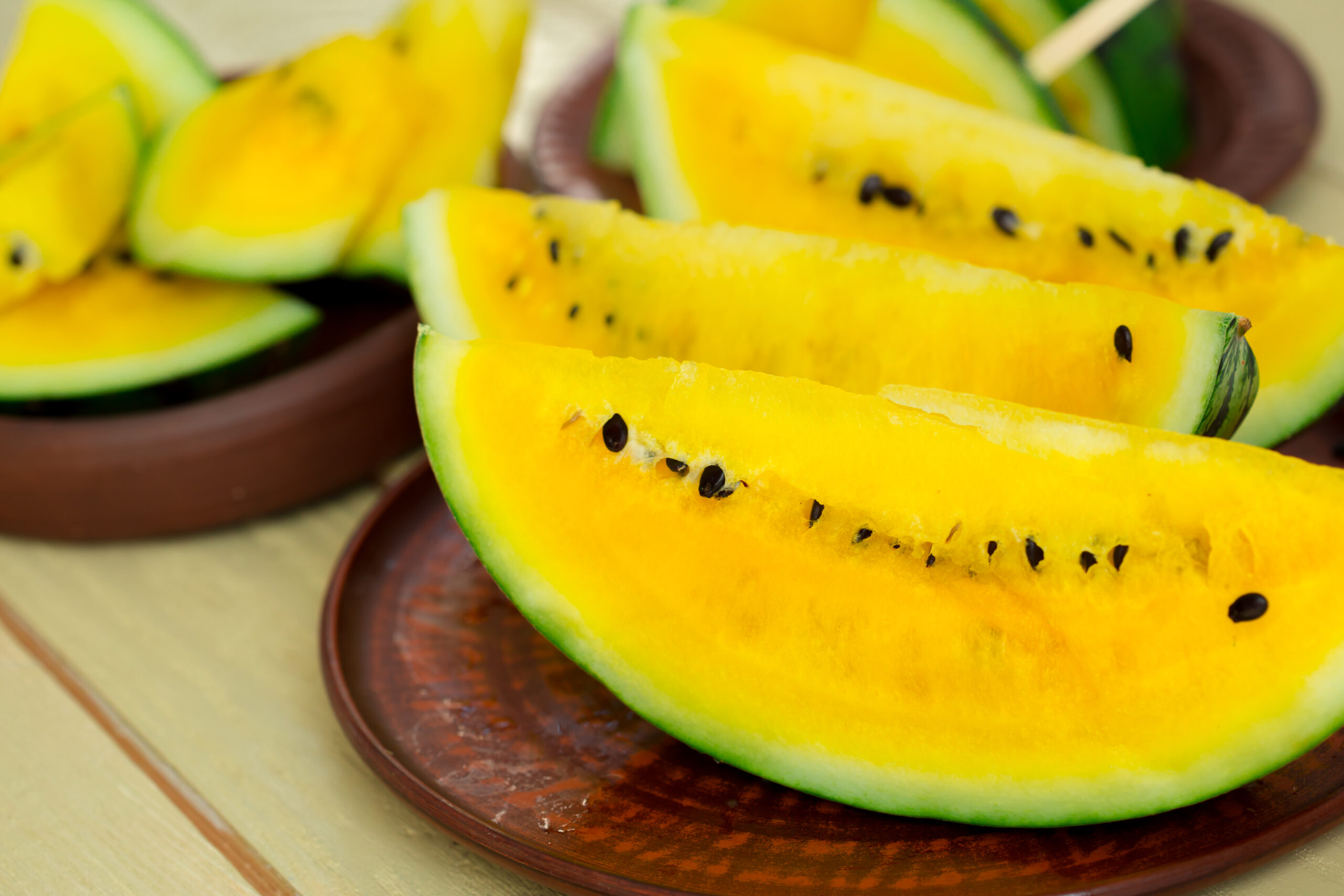
Yellow watermelon! No, we are not talking about some over-hyped and modified variety; we’re talking about a natural variety sitting right before our eyes. Let’s head into the marvelous realm of yellow watermelon, and leave behind the pink to discover why this golden melon deserves space in your fruit bowl.
Table of Contents
Yellow Watermelon
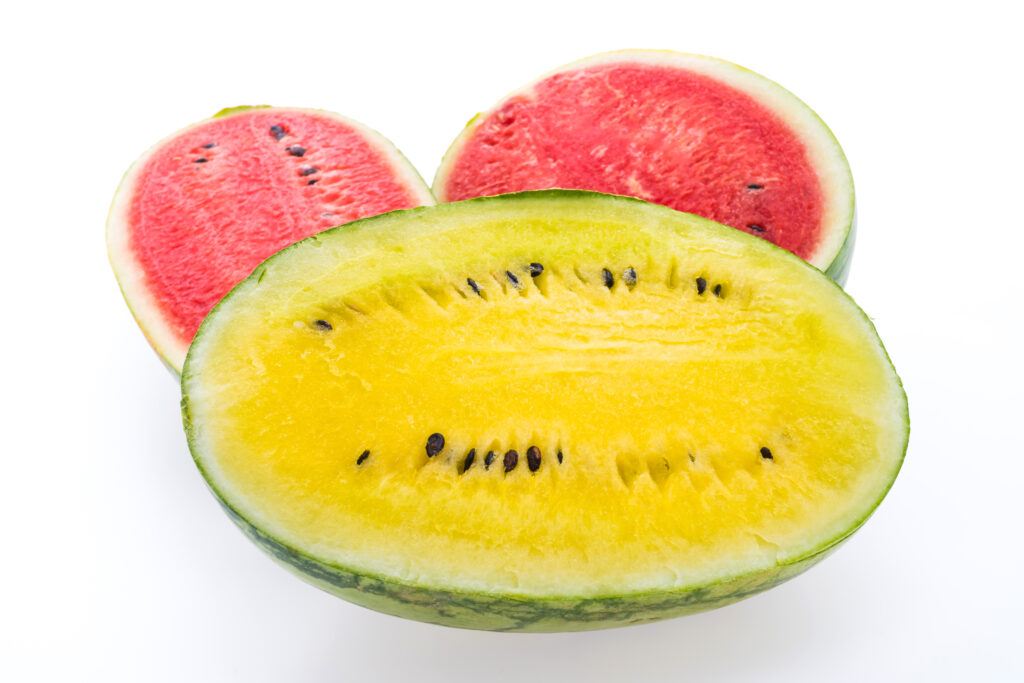
So, what is a yellow watermelon? At first glance, you could easily confuse it with a traditional red watermelon. It has the same green, striped rind and satisfies your inclination for a round or oblong shape. The fun stuff involves the inside. The red watermelon gets its red color from the powerful antioxidant lycopene, while the yellow watermelon has less of the lycopene allowing other properties to shine through.
The yellow watermelon gets its golden color from beta-carotene (that’s also what makes orange in carrots and yellows in sweet potatoes). This isn’t some mutant labratory frankenfruit; the watermelon is a naturally existing cultivar. It’s been around for many generations but has only recently become mainstream at farmer’s markets and fancy grocery stores: the yellow watermelon is like the heirloom tomato of the melons. The variety was always there, but was rediscovered for its charm and flavor.
8 Yellow Watermelon Benefits
This golden fruit isn’t just about looks; it’s packed with a powerhouse of nutrients that offer some impressive health benefits. Here are eight reasons to make the switch to sunshine this summer:
- Vision Guardian: Thanks to its high beta-carotene content, which your body converts into Vitamin A, yellow watermelon is a superstar for eye health. It helps protect your corneas, can reduce the risk of macular degeneration, and supports overall vision, especially in low-light conditions.
- Immunity Booster: One cup of yellow watermelon provides a significant boost of Vitamin C, a crucial nutrient for a robust immune system. It helps stimulate the production of white blood cells, your body’s first line of defense against infections.
- Heart-Healthy Hydrator: Like all watermelons, the yellow variety is about 92% water, making it incredibly hydrating. Proper hydration is key to maintaining healthy blood pressure and circulation. It also contains citrulline, an amino acid that may help improve blood flow and lower blood pressure.
- Digestive Dream: With a good amount of dietary fiber and all that water, watermelon acts as a gentle, natural laxative. It can help keep things moving smoothly through your digestive system, preventing constipation and promoting a healthy gut.
- Skin’s Best Friend: The combination of Vitamins A and C is a proven recipe for radiant skin. Vitamin C is essential for collagen production, which keeps your skin firm and youthful, while Vitamin A helps repair and maintain skin cells, protecting it from sun damage and dryness.
- Anti-Inflammatory Ally: Beta-carotene and Vitamin C both have anti-inflammatory properties. Incorporating watermelon into your diet can help combat systemic inflammation, which is linked to chronic conditions like arthritis, heart disease, and even some cancers.
- Cancer Risk Reducer: While it has less lycopene, yellow watermelon makes up for it with other antioxidants, including beta-carotene and Vitamin C. These compounds help neutralize harmful free radicals in the body, which can damage cells and lead to cancer over time.
- Electrolyte Replenisher: On a hot summer day, you lose essential electrolytes like potassium through sweat. Yellow watermelon is a fantastic source of potassium, helping to replenish what you’ve lost, prevent muscle cramps, and maintain proper nerve function.
Please read these beneficial posts- Apricot, Papaya, Kiwi, Chiku, Peach, Custerd apple, Artichoke, Dragon fruit…more in health-icon.com.
Yellow Watermelon Nutrition
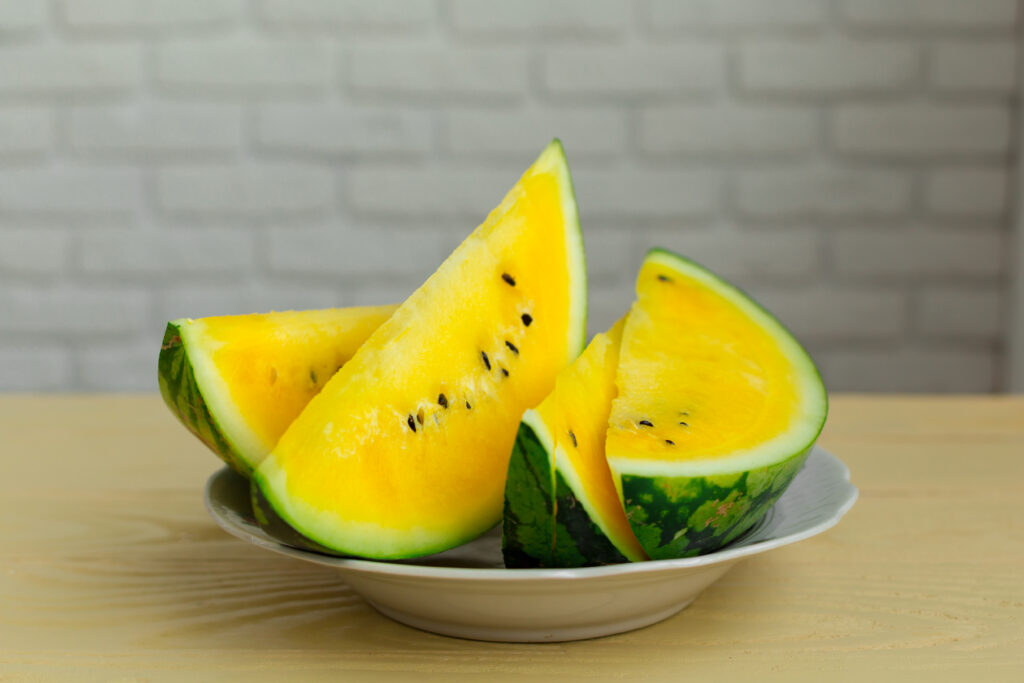
Let’s take a closer look at what you really get in a serving of this golden goodness. The nutrition seems to follow a strikingly similar profile to red watermelon, with a couple small twists.
You can expect the following per one-cup (152g) serving of diced yellow watermelon:
- Calories: 46
- Carbohydrates: 11.5 grams
- Sugar: 9.5 grams (natural sugars)
- Fiber: 0.6 grams
- Protein: 1 gram
- Fat: 0.2 grams
Vitamin and Mineral Spotlight:
- Vitamin A: A whopping 18% of your Recommended Daily Intake (RDI), courtesy of beta-carotene.
- Vitamin C: An impressive 21% of your RDI.
- Potassium: Provides about 5% of your RDI, crucial for heart and muscle health.
- Thiamin (B1), Magnesium, and Pantothenic Acid (B5): Also present in smaller, yet beneficial, amounts.
The main difference is that lycopene and beta-carotene have traded places. Red watermelon, especially in the rind, is a great source of lycopene for anyone interested in that benefit specifically. On the other hand, if you are looking for an excellent source of vitamin A and C that you can’t find as much in red watermelon (at least not as much vitamin A), you may want to consider yellow one for a change of flavor.
Yellow Watermelon Taste
Here is where the experience of tasting watermelon grows up. Can we actually tell the difference? In a word, yes. But this difference is very subtle and delightful.
When you taste the red watermelon, it tastes like a watermelon- the classic, simple, sweet watermelon flavor. In relation to the yellow variety, it is often described as sweeter and tasting more like honey, often described as concentrated, and less watery.
Some would pick up the flavors of apricot and honeydew melon in this flavor. Essentially, it is as if summer is condensed into a single flavor profile that is sunnier and more complex.
The texture is unchanged- incredibly juicy and crisp. Whether eating by itself, in a salad, or blended into a drink, that crunchy bite and moisture are the same but with a sweeter and more floral finish.
Yellow Watermelon Seeds
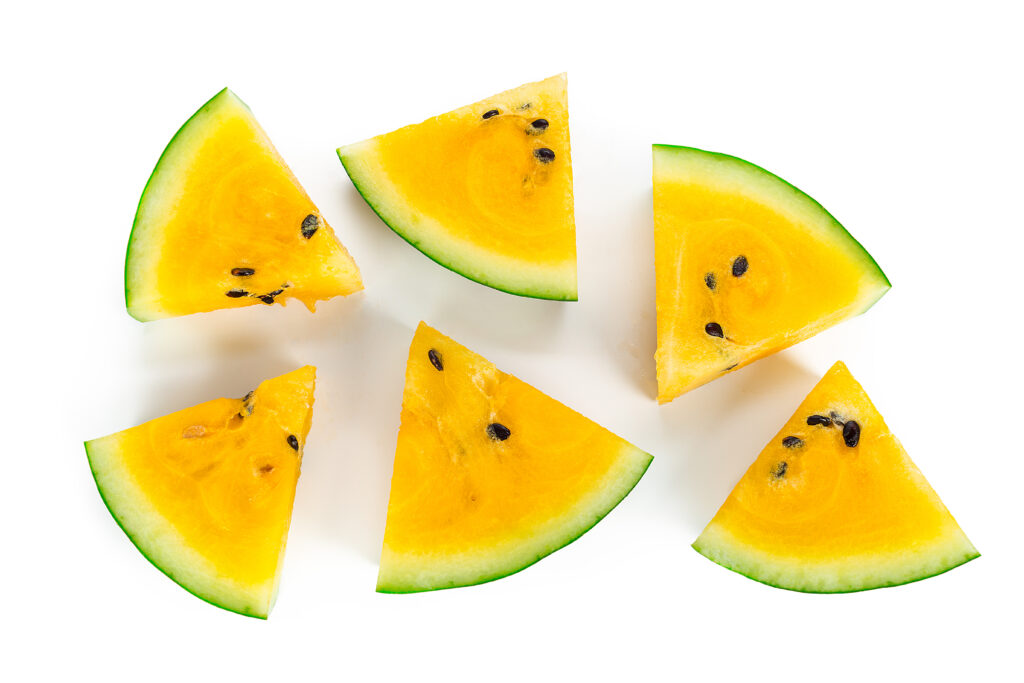
You may encounter two variations of yellow watermelons in retail stores: seeded and seedless.
• Seeded Yellow Watermelons: These are considered heirloom varieties. Their seeds are also edible! In fact, these seeds contain fiber, protein, and minerals such as magnesium and iron. They can even be roasted with a touch of salt for a nutritious snack, like with pumpkin seeds!
• Seedless Yellow Watermelons: Conventional breeding practices (NOT genetically modified) created these watermelons to provide convenient seedless options. For this reason, you’ll often find this variety in your supermarket. These varieties can still have a few small soft white seeds which are completely safe to eat.
So, don’t let the seeds discourage you! Treat the seeds as a bonus snack option or enjoy the convenience of the seedless variety.
Seeds beneficial posts you must read- Pumpkin seeds, Flax seeds, Sesame seeds, Chia seeds, Basil seeds, Sunflower seeds…more in health-icon.com.
Yellow Watermelon vs. Red Watermelon
So, which one should you choose? It’s less about which is “better” and more about what you’re looking for. Here’s a quick breakdown of how these two summer icons stack up.
- Color & Antioxidants: This is the most significant difference. Red watermelon is rich in lycopene, a potent antioxidant linked to heart health and reduced risk of certain cancers. Yellow watermelon lacks significant lycopene but is a powerhouse of beta-carotene (which converts to Vitamin A), crucial for vision, immunity, and skin health.
- Flavor Profile: Red watermelon offers that classic, refreshing, and straightforward sweet flavor we all know and love. Yellow watermelon is often described as sweeter, with a honey-like or almost apricot-like flavor. It’s less watery and has a more complex, tropical sweetness.
- Nutritional Nuances: Both are low-calorie, hydrating, and excellent sources of Vitamin C. Your choice might come down to your specific health goals. Want a lycopene boost? Go red. Focusing on Vitamin A for eye health? Go yellow.
- The “Wow” Factor: Let’s be honest, the vibrant yellow flesh is a fantastic conversation starter at a barbecue or picnic. It’s a guaranteed way to elevate a fruit salad from ordinary to extraordinary.
In the end, you can’t go wrong with either. They are both delicious, nutritious, and hydrating. Consider them siblings with different personalities, each worthy of a spot in your kitchen.
Yellow Watermelon Side Effects
In general, yellow watermelon is remarkably safe and nutritious for most individuals. Some things to consider:
• Sugars: Yellow watermelon does have some natural sugars, so if you are diabetic or monitoring your body’s intake of sugar, make sure you consume it in moderation with a balanced diet.
• Potassium (Those with Chronic Kidney Disease): Potassium is a beneficial nutrient for most people; however, it can be a risk factor for those with late-stage kidney disease. If excess potassium builds up in the bloodstream and the kidneys no longer function correctly, it can Pose a health risk. If you are in this category, talk to your doctor before introducing yellow watermelon into your diet.
• Allergies: Allergies to watermelon are rare; however, some people do experience hives, itching, or gastrointestinal issues. If you have ever had an allergy to any other fruit in the cucumber family (e.g., melon or cucumber), be cautious.
Otherwise, the “side effects” of eating yellow watermelon are mainly positive: hydration, nutrients, and smooth deliciousness to keep you cool.
Conclusion
Yellow watermelon is not just a colorful alternative; it’s a proof of nature’s amazing variety. Its flavor is unlike any other: honey-sweet, and it’s loaded with vitamins that are good for your eyesight, immune system, and skin. Next time you go to the market, go beyond the predictable red because sunshine is calling. Give it a thump and listen for that hollow sound, and prepare to taste one of summer’s sweetest, and brightest, secrets.
Disclaimer: The information provided on this website is for general educational and awareness purposes only. It should not be considered a substitute for professional medical advice, diagnosis, or treatment. Always consult your doctor or a qualified healthcare professional before making any changes to your diet, medication, or health routine. The author and website are not responsible for any outcomes resulting for the use of this information.
FAQs
Is yellow watermelon natural?
Yes, absolutely! It’s not genetically modified. Yellow watermelon is a natural cultivar that gets its sunny color from beta-carotene (the same pigment in carrots), unlike red watermelon which gets its color from lycopene.
Is yellow watermelon healthier than red watermelon?
It’s not necessarily “healthier,” but it offers different benefits. Red watermelon is a champion for lycopene, while yellow watermelon is an excellent source of Vitamin A (from beta-carotene) and Vitamin C. Your choice depends on which nutritional benefits you’re seeking.
Can you eat the seeds in a yellow watermelon?
Yes, you can! The black seeds in a seeded variety are edible and can be roasted for a nutritious snack. The soft, white seeds in a seedless variety are perfectly safe to eat and are often unnoticeable.
6 thoughts on “Yellow Watermelon: Benefits, Nutrition & Side effects”